
Lead
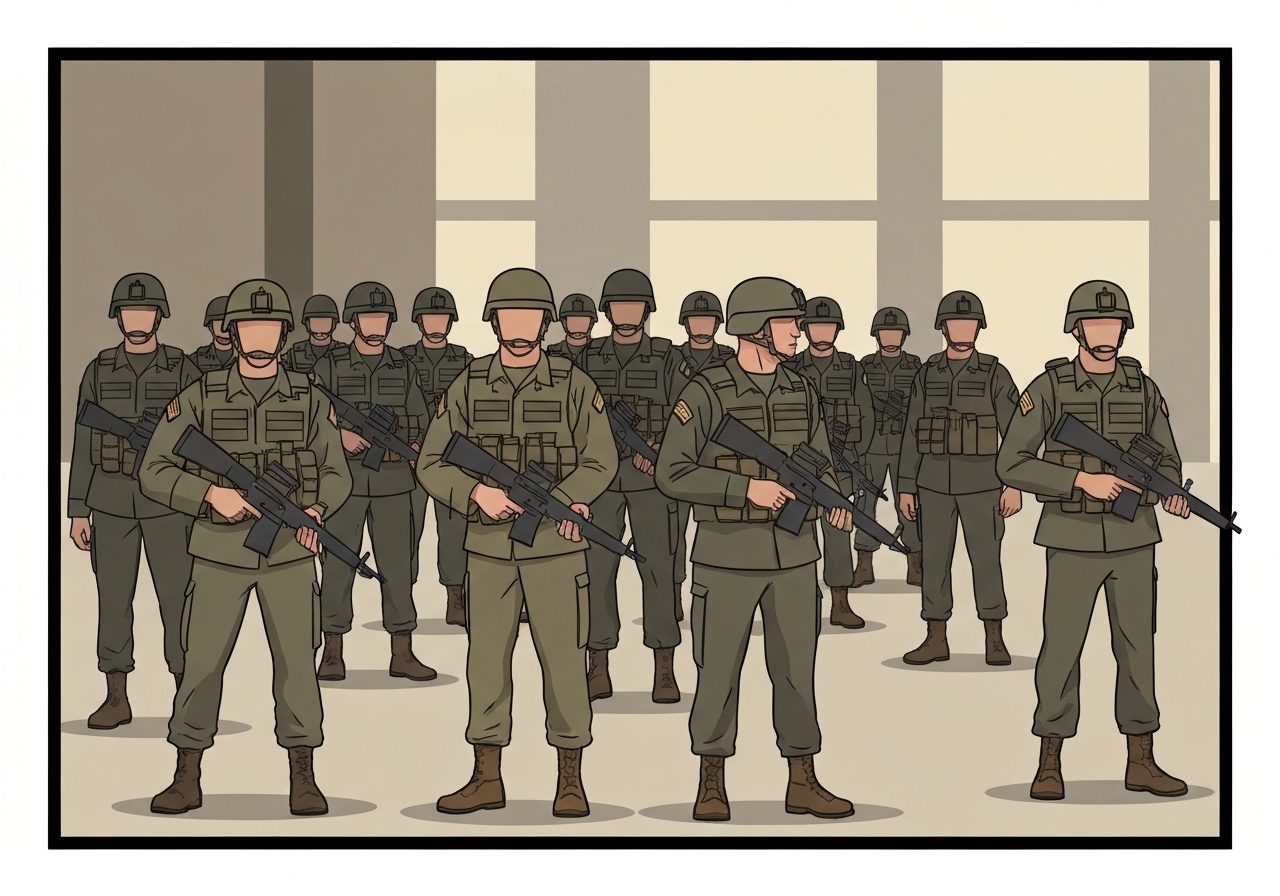
About 1,500 active-duty soldiers are being kept ready in Alaska as a potential option for deployment to Minneapolis amid ongoing protests linked to the death of Renee Good on 7 January, a US defence official told CBS News. The troops, belonging to the 11th Airborne Division stationed at Fort Wainwright, have not been ordered to move and no deployment decision has been announced. State and local officials in Minnesota have urged calm while the governor mobilised the National Guard and additional law enforcement was sent to the city. A federal judge has also placed limits on how federal agents may use crowd-control measures against peaceful demonstrators.
Key Takeaways
- Approximately 1,500 active-duty soldiers from the 11th Airborne Division in Fort Wainwright, Alaska, are on standby as a possible federal option for Minneapolis.
- The readiness posture was reported to CBS News by a US defence official; no formal deployment order has been issued by the White House.
- The standby status follows protests after the 7 January shooting death of Renee Good, who city leaders say was acting as a legal observer of ICE activity.
- Governor Tim Walz mobilised the Minnesota National Guard and placed it on alert ahead of planned demonstrations.
- Last week, President Donald Trump publicly threatened to invoke the Insurrection Act, a rare authority that permits active-duty troops to perform domestic law-enforcement tasks.
- US District Judge Katherine Menendez issued an order restricting federal agents from using certain crowd-control tactics — including arrests and pepper spray — against “peaceful and unobstructive” protesters.
- Protests have spread nationally, with demonstrators frequently carrying signs reading “Justice for Renee”.
Background
The immediate flashpoint for the current demonstrations was the fatal shooting of Renee Good on 7 January during an interaction involving Immigration and Customs Enforcement (ICE) activity in Minneapolis. City officials have said Good was present as a legal observer; the federal administration has used markedly different language to describe the incident, contributing to heightened tensions. Over recent weeks, nationwide protests have focused on ICE operations in multiple cities, bringing renewed attention to enforcement practices and oversight.
At the federal level, the administration has suggested using active-duty military where state or local capacity is judged insufficient, invoking the Insurrection Act as a potential legal basis. That statute has been invoked only sparingly in modern US history, and its use is politically fraught. In Minnesota, state authorities have responded by mobilising the National Guard and coordinating with local law enforcement to prepare for demonstrations while urging peaceful conduct.
Main Event
The defence official, speaking to CBS News, said the 1,500 soldiers in Alaska are being held as an option for President Donald Trump but emphasised that no deployment order has been made. The troops are part of the 11th Airborne Division based at Fort Wainwright, Alaska, and would require a presidential directive to move into domestic law-enforcement roles. Officials at the state and local level continue planning for protests, deploying additional police personnel and placing the National Guard on alert to support public safety efforts.
In federal court, Judge Katherine Menendez issued a directive limiting how federal agents may interact with demonstrators deemed peaceful and unobstructive. The order specifically bars certain crowd-control measures against monitors and observers of ICE operations, curtailing tactics federal agents had used in prior engagements. This judicial ruling adds a layer of legal constraint to any federal response that might involve active-duty personnel or expanded federal agent activity.
On the ground in Minneapolis, demonstrators have continued to gather, calling for accountability and broader scrutiny of ICE operations. City leaders and organisers have urged protests to remain orderly, while a mix of local, state and federal personnel posture for potential escalations. Public messaging from officials has stressed both the right to peaceful assembly and the obligation to maintain public safety.
Analysis & Implications
Keeping 1,500 active-duty soldiers on standby in Alaska signals a preparedness posture by the Department of Defense but does not itself indicate imminent deployment. The legal and political thresholds for sending active-duty units into US cities are high: invoking the Insurrection Act would require a presidential decision and would likely trigger legal challenges and political backlash. Any such move would also raise operational questions about command relationships, Rules of Engagement, and coordination with state authorities, who retain primary responsibility for policing within their borders.
For Minnesota, the mobilisation of the National Guard complements state capacity and preserves state control over domestic security responses. Using federal troops instead of—or in addition to—state forces could create jurisdictional friction with Governor Tim Walz and complicate the chain of command for on-the-ground operations. Nationally, the prospect of active-duty deployment could inflame protests and fuel criticism from civil liberties groups concerned about the militarisation of domestic law enforcement.
Judicial limits on federal crowd-control tactics, as ordered by Judge Menendez, narrow options for federal agents and could reduce confrontations that escalate violence. That ruling also establishes legal precedent for how observers and monitors are treated during enforcement actions, potentially influencing future operations by ICE and other agencies. Still, enforcement practices and the specifics of any federal intervention remain subject to rapid change as new information and political decisions emerge.
Comparison & Data
| Resource | Reported status |
|---|---|
| Active-duty soldiers (11th Airborne, Fort Wainwright) | ~1,500 on standby (in Alaska) |
| Minnesota National Guard | Mobilised and placed on alert (number not disclosed) |
| Local/state law enforcement | Additional officers deployed to Minneapolis (varies by agency) |
The table summarises forces public officials have referenced. The precise number of National Guard members and the scale of local deployments have not been published in the reporting; those figures affect surge capacity and response options. Historical uses of the Insurrection Act are rare, so comparisons to past domestic troop deployments must account for differences in legal context and political climate.
Reactions & Quotes
Officials, judges and protesters have offered sharply different framings of the events and the appropriate response. Below are brief excerpts with surrounding context.
“An option for the president.”
US defence official to CBS News
This brief description was provided to explain why the Alaska-based soldiers were being kept ready; the official also clarified that no deployment order had been issued. The phrasing underscores that the forces are a federal option rather than an active movement order.
“Cannot arrest or pepper spray peaceful demonstrations.”
Judge Katherine Menendez (court order)
Judge Menendez’s directive restricts certain crowd-control tactics against demonstrators judged to be peaceful or merely observing federal activity. The ruling narrows legal latitude for federal agents interacting with monitors and observers of ICE operations.
“Justice for Renee.”
Protesters in Minneapolis
Signs and chants invoking Renee Good have become a recurrent motif at local and national demonstrations. Organisers say the slogan reflects demands for accountability and a review of enforcement practices.
Unconfirmed
- Whether the 1,500 soldiers will be ordered to deploy to Minneapolis remains unannounced and therefore unconfirmed.
- It is not confirmed how Rules of Engagement would be defined should active-duty personnel be used for domestic operations in Minneapolis.
- Any timeline for movement, if ordered, and the exact number of National Guard personnel to be deployed publicly have not been disclosed.
Bottom Line
The presence of 1,500 soldiers on standby in Alaska indicates federal preparedness but not an operational decision; deployment would require presidential authorization and would carry legal, political and operational complications. State mobilisation of the National Guard and judicial limits on federal crowd-control tactics are already shaping how authorities can respond to protests in Minneapolis.
Observers should watch for three developments: an explicit presidential order or invocation of the Insurrection Act, published details on rules of engagement and coordination between federal and state forces, and any changes to the scale or tactics of protests in Minneapolis. Those factors will determine whether the current readiness posture becomes an active deployment or remains a contingent option.
Sources
- BBC News — international press reporting, citing a US defence official and related court rulings
- CBS News — US news partner cited by BBC as the original recipient of the defence official’s comment
- Office of the Governor of Minnesota — state government site (mobilisation announcements and public-safety statements)