
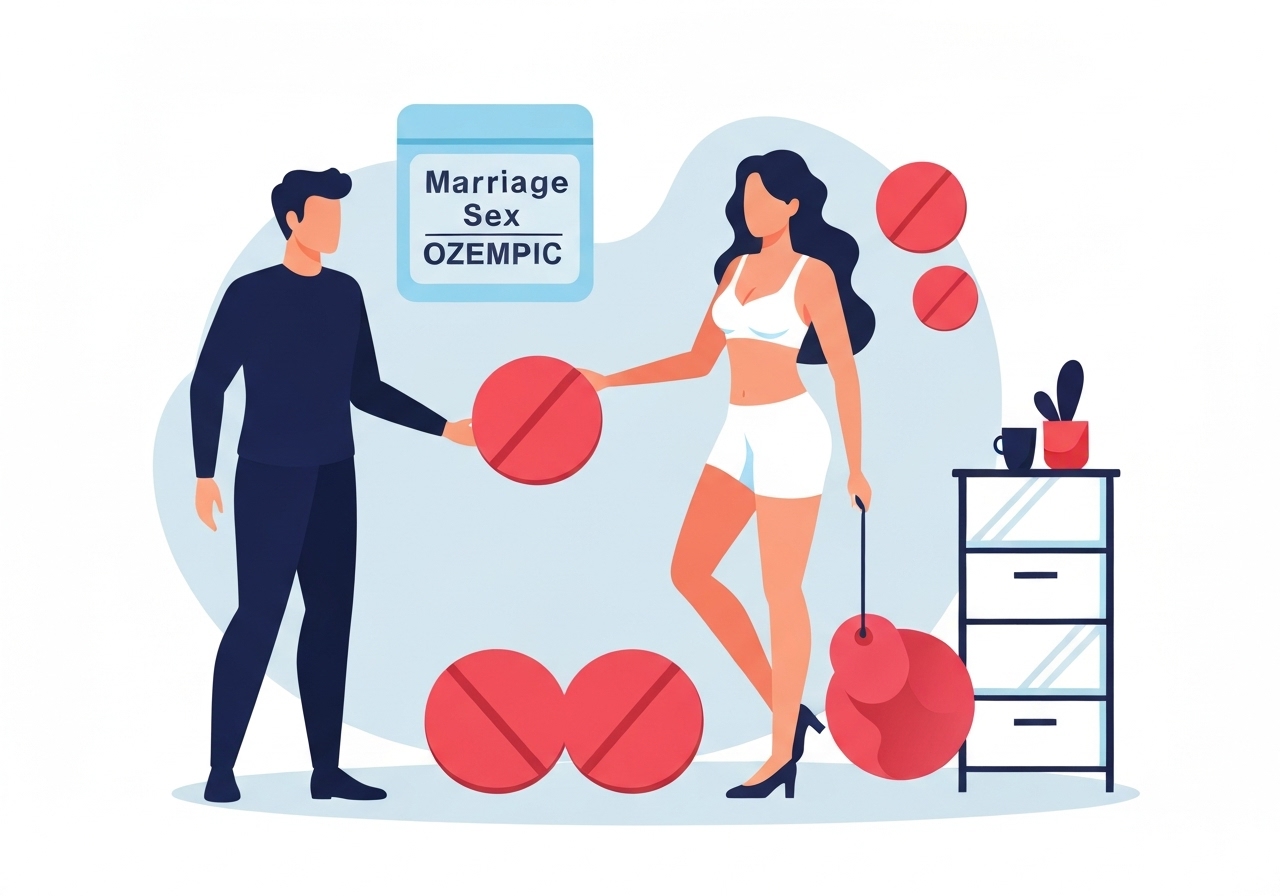
Lead: On Dec. 26, 2025, The Daily revisited reporting on how GLP-1 weight-loss drugs such as Ozempic and Zepbound are reshaping more than bodies — they are altering romantic relationships. Reporter Lisa Miller recounts a case in which the medications contributed to strains in a marriage of about 15 years, and clinicians warn the drugs’ physical effects can carry unexpected consequences for intimacy. The episode and follow-up reporting show that impacts vary widely and that clinicians and patients are still learning how to manage non-weight outcomes. Experts say clearer counseling and more data are needed to help couples navigate these changes.
Key takeaways
- On Dec. 26, 2025, The Daily published an update exploring how GLP-1 drugs such as Ozempic and Zepbound affect relationships and intimacy.
- The episode centers on Jeanne and Javier, a couple married roughly 15 years, whose relationship was disrupted after one partner started a GLP-1 medication.
- Clinicians have long flagged physical side effects (nausea, GI symptoms); clinicians and patients are reporting anecdotal sexual and intimacy changes as well.
- Evidence remains largely anecdotal; systematic data on sexual function changes tied to GLP-1 drugs are limited or emerging.
- Medical guidance now increasingly recommends counseling patients about non-weight effects and coordinating care with mental-health or relationship professionals when needed.
- The reporting underscores a broader social shift: widespread use of these drugs is producing cultural, psychological and relational ripple effects beyond metabolic outcomes.
Background
The arrival and rapid adoption of GLP-1 receptor agonists for weight management and diabetes treatment has been one of the most consequential medical trends of recent years. Drugs marketed under names such as Ozempic and Zepbound have altered appetite regulation and body weight for millions of patients, while changing public conversations about obesity, slimness and medical intervention. Early clinical research and regulatory reviews focused on metabolic benefits and common adverse events such as gastrointestinal upset; sexuality and relationship outcomes were not primary endpoints in most trials.
As use widened in 2023–2025, anecdotal reports and patient accounts began to surface describing changes in libido, arousal and partnered intimacy. Those accounts reached clinicians, journalists and mental-health professionals who noticed patterns in counseling and clinical practice. At the same time, cultural factors — intensified attention to physical appearance, changing expectations around bodies and new routes to weight loss — have complicated how couples interpret and respond to these changes.
Main event
The Daily’s Dec. 26, 2025 update, reported by Lisa Miller, revisits earlier coverage and zeroes in on a couple identified as Jeanne and Javier, who have been married for about 15 years. According to the episode, the partner who began a GLP-1 medication experienced physical and behavioral changes that affected the couple’s intimacy rhythm and communication patterns. Those changes prompted conversations about desire, identity and expectations that the partners had not anticipated.
Clinicians interviewed for the episode reiterated established warnings about common physical side effects — nausea, slowed gastric emptying and changes in energy — but also described reports of altered sexual desire and function. Some clinicians said these changes appear inconsistent across patients: some report decreased libido, others report little change, and a few describe improved confidence tied to weight loss that can enhance intimacy.
The reporting emphasizes that for Jeanne and Javier the medication’s downstream effects were not just physiological but relational: shifts in timing, appetite and self-image created new friction points. The couple sought medical and couples counseling, highlighting how effective responses have tended to be multidisciplinary — involving prescribing clinicians, therapists and sometimes sexual-health specialists.
Analysis & implications
The episode and follow-up reporting illuminate three intertwined implications. First, clinicians prescribing GLP-1 drugs must broaden pre-treatment conversations to include potential effects on mood, energy and sexual function, not only metabolic and gastrointestinal risks. Informed consent that addresses relationship dimensions can reduce shock and friction when side effects appear.
Second, the social scale of GLP-1 adoption means that individual side effects can aggregate into measurable cultural shifts. If large numbers of people experience even modest changes in libido or sexual function, demand for counseling, sex therapy and integrated care models could increase; health systems and insurers may need to adapt.
Third, the current evidence base is thin. Most randomized trials prioritize weight and cardiometabolic outcomes; sexual function is rarely a pre-specified endpoint. That gap frustrates clinicians seeking guidance and leaves patients relying on anecdote. Well-designed observational studies and trial substudies are required to quantify incidence, identify risk factors and determine reversibility.
Comparison & data
| Outcome area | Commonly reported effect | Evidence level |
|---|---|---|
| Appetite & weight | Consistent appetite suppression and weight loss | High (RCTs, regulatory data) |
| Gastrointestinal side effects | Nausea, vomiting, constipation | High (clinical trials) |
| Sexual function & intimacy | Reports of altered libido/arousal; variable | Low–Moderate (anecdotal, limited studies) |
The table shows where evidence is concentrated and where gaps remain. Appetite and GI effects are well documented; sexual and relational outcomes are currently characterized mostly by patient reports and clinical observation rather than large-scale trials.
Reactions & quotes
The following excerpts illustrate how participants and clinicians framed the issue.
“The medicine changed more than my appetite — it altered how I showed up with my partner,” a spouse told the program, describing shifts in desire and routine that preceded couples therapy.
Jeanne, patient featured on The Daily
Context: The episode uses this personal account to show how physiological changes can cascade into communication challenges and emotional distance, rather than as proof of a universal drug effect.
“We counsel patients about common side effects, and we now discuss potential impacts on energy and mood that can indirectly affect intimacy,” a prescribing clinician said.
Prescribing clinician quoted on the episode
Context: Clinicians emphasize variability across patients and the usefulness of preparing patients for a range of outcomes, so that couples can plan care proactively.
“There’s a real need for systematic data on sexual function in GLP-1 trials,” Lisa Miller noted in the update.
Lisa Miller, reporter
Context: Journalistic follow-up aims to nudge researchers and regulators to include broader patient-centered endpoints in future studies.
Unconfirmed
- Precise prevalence of sexual-function changes attributable directly to GLP-1 drugs remains unmeasured in large, controlled studies.
- Causal links between a GLP-1 prescription and marital dissolution are not established; relationship outcomes involve many interacting factors.
- Long-term trajectory (persistence or reversibility) of reported intimacy changes after stopping medication is not yet settled.
Bottom line
GLP-1 drugs such as Ozempic and Zepbound have demonstrable metabolic benefits and predictable gastrointestinal side effects; however, patient and clinician experience suggests they can also ripple into sex and relationship dynamics. That ripple is not uniform: some patients report decreased desire, others report little change or improved confidence related to weight loss. The heterogeneity of experiences argues against one-size-fits-all clinical guidance.
Clinicians should incorporate relationship and sexual-health counselling into routine conversations about GLP-1 prescriptions, and couples should be encouraged to discuss expectations before starting treatment. Policymakers and researchers should prioritize systematic measurement of sexual and relational endpoints so that future prescribing is backed by better data. For now, multidisciplinary care and open communication remain the most reliable tools to manage these emerging effects.
Sources
- The Daily, The New York Times (media/podcast) — Dec. 26, 2025 update reported by Lisa Miller.