
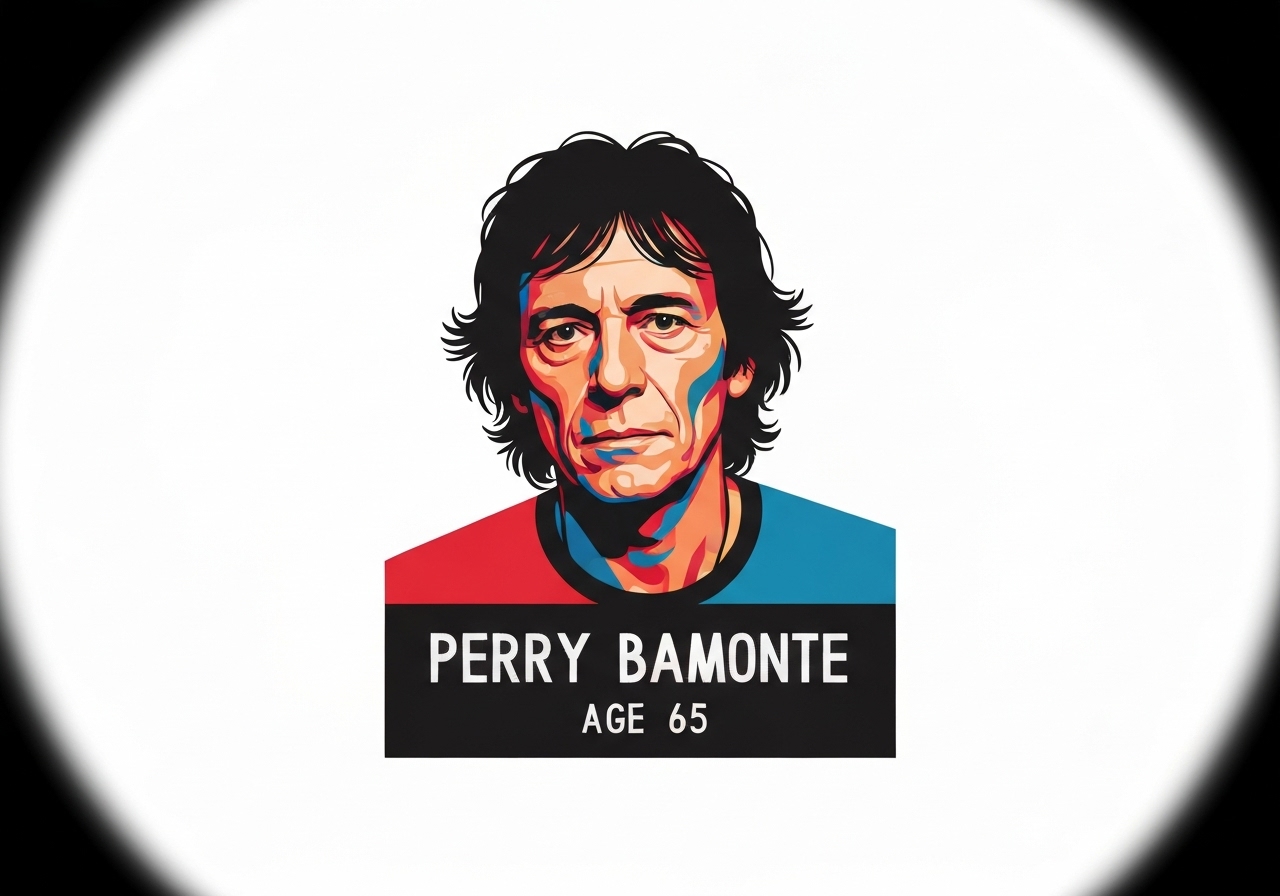
Longtime Cure musician Perry Bamonte has died at 65 after a brief illness at home over the Christmas period, the band announced. Bamonte served two separate stretches with the group — first from 1990 to 2005 and again from 2022 until his death — and played guitar, six‑string bass and keyboards on multiple studio albums and hundreds of live shows. The Cure’s official notice praised his steady creativity and crucial role in the band’s history. The announcement said Bamonte’s family are being kept in the band’s thoughts as fans and colleagues respond.
Key Takeaways
- Perry Bamonte died at age 65 after a short illness at home over Christmas; the death was confirmed by the Cure on Friday.
- Bamonte had two tenures with the Cure: 1990–2005 and 2022–2025, returning to the lineup in 2022.
- Across his first stint he performed more than 400 shows over 14 years and added roughly 90 further shows after rejoining in 2022.
- He contributed to Cure studio albums from 1992’s Wish through 2000’s Bloodflowers and played on hits including “Friday, I’m in Love,” “A Letter to Elise” and “High.”
- Bamonte began with the band’s road crew in 1984, becoming Robert Smith’s assistant and guitar technician before joining as a full member in 1990.
- He left the Cure in 2005 when the group was reconfigured as a trio, joined Love Amongst Ruin in 2012, and participated in the Cure’s Rock & Roll Hall of Fame induction in 2019.
- He played with the Cure at London’s Troxy in November 2024; the band had scheduled shows through 2026 before his passing.
- Live performances from the recent “Shows of a Lost World” run are documented in a concert film currently in theatrical release.
Background
Perry Bamonte was born in London in 1960 and entered the Cure’s orbit in 1984 through his brother Daryl, who worked as the band’s tour manager. Initially part of the road crew, Bamonte became Robert Smith’s personal assistant and guitar technician, learning the practical and musical demands of the group on the road. When keyboardist Roger O’Donnell left the band, Bamonte stepped into an official role in 1990 and helped shape the Cure’s sound through the 1990s and into 2000. His musicianship ranged across guitar, six‑string bass and keyboards, allowing the band to preserve both textural and melodic elements in studio and live settings.
The Cure’s commercial peak in the early 1990s coincided with Bamonte’s rise to prominence within the group; he performed on the 1992 album Wish and later on Bloodflowers (2000), among others. Across his first 14 years as a full member he appeared onstage for more than 400 shows, contributing to the band’s global profile. After Smith restructured the lineup in 2005, Bamonte left to pursue other projects, including joining Love Amongst Ruin in 2012. The Cure later brought him back in 2022 for the large‑scale Shows of a Lost World programme, signaling both a reunion and a renewed period of touring activity.
Main Event
The Cure publicly confirmed Bamonte’s death on the band’s official website on Friday, describing him as a vital and warm presence in the group. Band materials and public records show he rejoined in 2022 and performed roughly 90 shows with the reassembled lineup, culminating in the London performance billed as The Show of a Lost World on 1 November 2024. His last documented live appearance was the Cure’s November 2024 concert at the Troxy in London. The group had plans on its calendar for international dates extending into 2026 prior to this announcement.
During his time with the Cure, Bamonte is credited with adding six‑string bass and keyboard parts to the band’s most recognizable recordings, including the single “Friday, I’m in Love.” Studio credits and tour personnel lists show he worked across multiple records and live arrangements, balancing technical support with musical contribution. His initial role behind the scenes — as road crew and guitar technician — informed his collaborative approach onstage, making him a trusted presence for both bandmates and crew. Colleagues and fans have emphasized both his musicianship and his supporting role that kept the band functioning smoothly on tour.
News of his passing has prompted immediate responses from the music community and the Cure’s fan base, with social posts and tributes marking his contributions to the band’s catalogue and live legacy. The Cure’s statement noted Bamonte’s return to the band and the importance of his recent performances, while a concert film from the Shows of a Lost World run preserves some of his final work with the group in theatrical release. Organizers and promoters are now assessing how forthcoming dates will proceed in light of the band’s loss.
Analysis & Implications
Bamonte’s death affects the Cure both emotionally and operationally. Emotionally, he was a long‑standing member whose return in 2022 reinforced the band’s continuity and palette onstage; losing a musician who covered multiple instruments reduces roster flexibility for planned shows. Operationally, the band will need to weigh options ranging from temporary session players to lineup restructuring if they continue dates booked through 2026. Promoters and ticket holders are likely to seek clarity on rescheduling or refunds while the band determines its path forward.
Artistically, Bamonte’s contributions spanned arrangements and tone as much as single‑note parts. His six‑string bass and keyboard textures are woven into songs that have driven the Cure’s mainstream recognition, particularly from the Wish era onward. That musical imprint means his absence will be noticeable in live recreations of those studio parts, and future archival releases or reissues may draw renewed attention to his role. The presence of a concert documentary in release also means audiences can witness his late‑career work even as live plans are reconsidered.
In the broader music world, Bamonte’s passing raises questions about how veteran bands manage touring longevity and roster changes. The Cure’s decision to reintegrate former members was part of a wider trend—legacy acts bringing back familiar contributors to recapture specific eras for live audiences. Bamonte’s career illustrates the dual identity of many long‑term band members who alternately serve as technicians, support staff and performers; that versatility has practical value but also creates complicated succession dynamics when a member dies or departs.
Comparison & Data
| Period | Role | Approx. Live Shows |
|---|---|---|
| 1990–2005 | Full member (guitar/keys/bass) | 400+ shows |
| 2022–2025 | Returned member (touring) | ~90 shows |
| Total (documented) | — | ~490 shows |
The table above aggregates figures cited in contemporary band statements and press coverage: more than 400 shows credited to Bamonte across his first 14 years as a full member and roughly 90 further shows after rejoining in 2022. These totals underline the scale of his live contribution to the Cure’s touring history and explain why fan and industry reaction has been immediate and pronounced.
Reactions & Quotes
“He was a warm‑hearted, integral presence in the band’s story and a constant creative force,” the Cure said in an official notice remembering Bamonte’s role across tours and recordings.
The Cure (official statement)
Observers noted Bamonte’s musical fingerprints on key Cure songs and onstage arrangements that helped define the band’s live identity across decades.
Variety (media report)
Unconfirmed
- Specific medical details surrounding Bamonte’s short illness have not been publicly released and remain private.
- Final decisions about dates scheduled through 2026 and whether those shows will be postponed, canceled or continued with replacement musicians have not been announced.
- Any private family arrangements, memorial services or future tributes have not been confirmed by the band beyond the initial statement.
Bottom Line
Perry Bamonte’s passing marks the loss of a multi‑instrumentalist whose career with the Cure bridged backstage work and headline performance across four decades. His contributions to studio records and live arrangements — notably across the Wish and Bloodflowers eras — form part of the band’s enduring catalog, and his recent return underscored that ongoing artistic relevance. Fans, colleagues and the broader music community are likely to see a period of mourning followed by practical decisions about how the band will handle upcoming commitments and honor his legacy.
In the near term, the Cure’s official channels and promoters will be the authoritative sources for news about scheduled concerts and tributes. Longer term, Bamonte’s recorded work and the newly released concert film will serve as the clearest artifacts of his musicianship for listeners reassessing his role in the band’s history.
Sources
- Variety — media report and obituary coverage (news outlet)
- The Cure official website — band statement confirming Bamonte’s death (official announcement)