
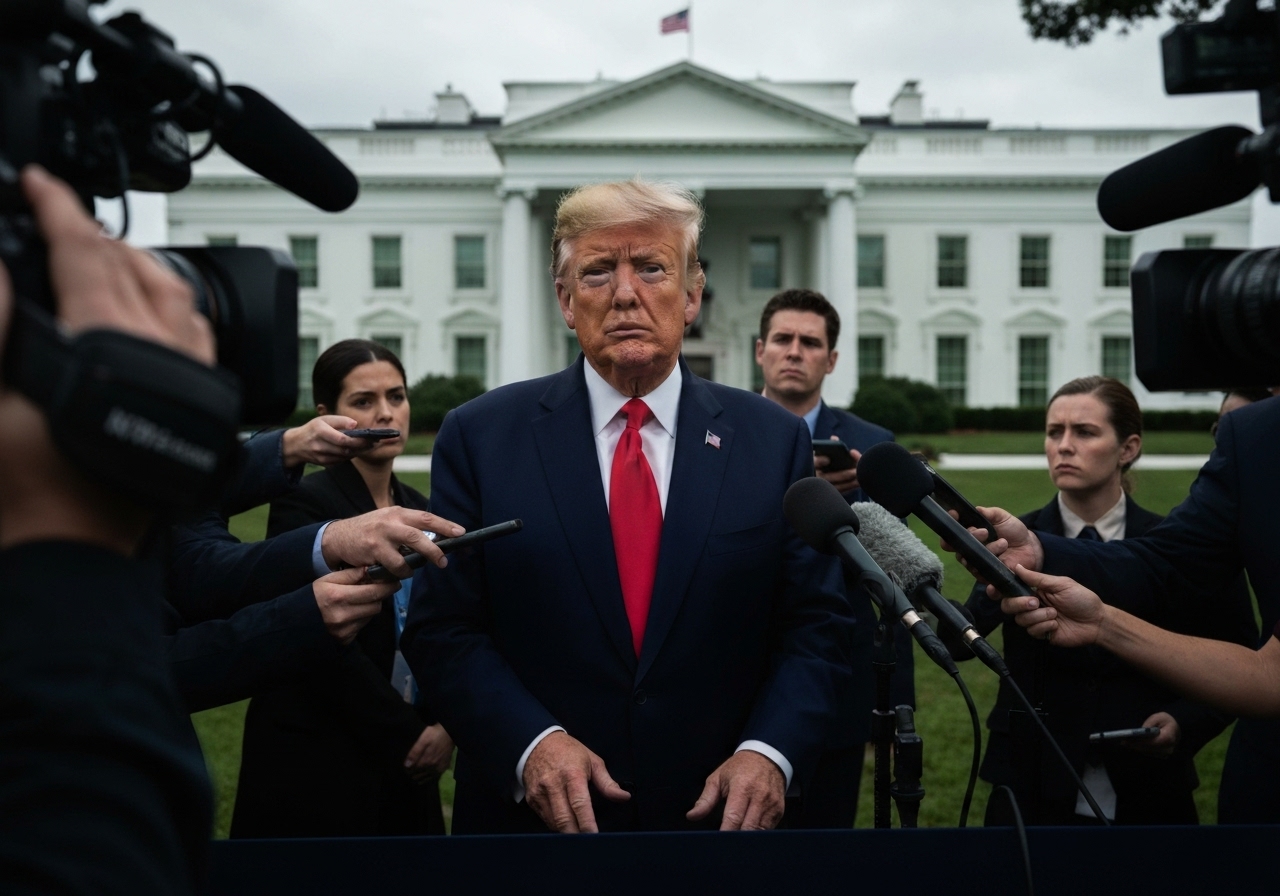
President Donald Trump told WABC radio in New York that the United States had ‘knocked out’ a Venezuelan facility two nights earlier, a claim he linked to ongoing strikes against vessels the administration says carry narcotics. The assertion, made in a short phone interview, would mark a significant escalation if a land target was indeed hit, because the U.S. campaign has so far focused on maritime strikes. NBC News has not independently confirmed the reported facility strike and the White House did not immediately respond to requests for detail. The comment follows months of U.S. military action and rising tensions with Caracas over alleged drug trafficking and other grievances.
Key takeaways
- The president said a Venezuelan ‘big plant or big facility’ was ‘knocked out’ two nights before the WABC interview, but provided no operational details.
- The administration has carried out dozens of strikes on boats in international waters in recent months, citing narcotics trafficking as the rationale.
- NBC News has not independently verified the reported land strike; the White House declined immediate comment.
- In October the president acknowledged authorizing the CIA to take unspecified action in Venezuela, an unusual public admission of covert authority.
- This reported action would be the first known U.S. land strike tied to counternarcotics efforts against Venezuela, representing a potential escalation in scope.
- The administration also ordered a blockade of sanctioned oil tankers and the military seized an oil tanker off Venezuela’s coast in recent weeks.
Background
U.S. pressure on Venezuela has intensified over the past months amid a broader campaign the administration describes as targeting narcotics flows and economic harm tied to Caracas. The White House has repeatedly blamed Venezuela for drug trafficking and migration flows, framing those issues as central reasons for more assertive measures. Historically, U.S. actions against narcotics on the high seas have emphasized maritime interdiction; the recent pattern of strikes has targeted vessels operating in international waters. In October, the president publicly confirmed he had authorized the CIA to take unspecified actions in Venezuela, a rare on-the-record affirmation of clandestine authority.
Venezuela, led by President Nicolás Maduro, faces sanctions, diplomatic isolation from parts of the hemisphere, and accusations from Washington of enabling illicit trafficking. Caracas denies coordinating drug shipments with state institutions and routinely characterizes U.S. measures as attempts to destabilize the government. Regional governments and international organizations have warned about humanitarian and political consequences from harder-line actions. Any shift from sea to land targets would raise new legal and diplomatic questions, increasing scrutiny from allies and adversaries alike.
Main event
In the WABC interview, host John Catsimatidis touched on oil and Venezuela’s political future; the president pivoted to discuss counternarcotics efforts and said the U.S. had ‘knocked out’ a Venezuelan facility two nights earlier. Trump described the target as a ‘big plant or big facility where they send the, you know, where the ships come from,’ but did not supply location, timing beyond ‘two nights ago,’ casualty counts, or evidence. The claim follows imagery and reporting of a vessel burning in the Eastern Pacific after it was struck on Dec. 12, which U.S. Southern Command attributed to a U.S. action in the maritime campaign.
NBC News sought independent confirmation of a land strike and received no immediate comment from the White House; the outlet therefore flagged the claim as unverified. If confirmed, a land strike would differ from the dozens of boat strikes reported in recent months and would be the first known use of kinetic land action in the stated U.S. counternarcotics campaign against Venezuela. Administration officials have pointed repeatedly to drug trafficking as the rationale for maritime operations but have so far not publicly produced forensic proof linking targeted vessels to specific shipments.
The president reiterated broader grievances about Venezuela during the exchange, including allegations that Caracas ’emptied their prisons into the United States,’ a claim he has made previously without public evidence. In recent weeks he also ordered a blockade on sanctioned oil tankers and the U.S. military intervened to seize an oil tanker near Venezuelan waters. Those steps contribute to a pattern of escalating measures that combine sanctions, maritime interdiction and, potentially, covert actions.
Analysis & implications
A reported land strike would represent a measurable escalation in the U.S. approach and could alter legal and diplomatic calculations for Washington and regional partners. Maritime interdiction in international waters is framed by the U.S. as counternarcotics activity; a strike on territory or infrastructure associated with a state raises questions about sovereignty, self-defense claims and adherence to international law. Allies and neutral states may press Washington for evidence tying targets to criminal operations, and absent that proof diplomatic fallout could grow.
Domestically, the claim allows the administration to present decisive action on narcotics and border security to its political base, but it also invites scrutiny from Congress, legal experts and human rights groups concerned about oversight and proportionality. The October disclosure about CIA authorization increases transparency about executive decisionmaking but does not substitute for public evidence about specific operations. For Caracas, the development could be used to rally nationalist sentiment and to portray the United States as an aggressor, complicating internal politics and any opposition efforts that rely on international backing.
Operationally, shifting resources from maritime strikes to land or fixed-site targets could require different intelligence, legal clearances and interagency coordination, as well as greater risk to personnel and unintended civilian harm. The lack of detail in the president’s on-air comments means analysts must weigh multiple scenarios, from a limited precision strike against a specific trafficker infrastructure to broader covert operations whose scope remains classified. The strategic calculus for future U.S. actions will depend on the evidence presented, regional responses and the administration’s political objectives going into the next cycle.
Comparison & data
| Action | Location | Reported count | Evidence cited |
|---|---|---|---|
| Maritime strikes | International waters, Eastern Pacific and Caribbean | Dozens of boat strikes | Administration statements; limited public forensic detail |
| Alleged facility strike | Unspecified, Venezuela | One reported land strike | Claimed by president; not independently confirmed |
The table highlights the contrast between a prolonged maritime campaign described by U.S. officials and the singular, unverified claim of a land target. Public records and reporting to date document multiple boat strikes, including imagery of a vessel burning after a Dec. 12 strike attributed to U.S. forces. By contrast, the land strike claim rests on the president’s brief radio remark; without corroboration its operational scope and legal basis remain unclear. Analysts will look for follow-up briefings, intelligence disclosures, or third-party verification to assess whether this reflects a new policy phase or an isolated tactical action.
Reactions & quotes
Station owner John Catsimatidis raised the prospect of increased Venezuelan oil sales to the United States if Maduro were to leave; the president tied energy and broader grievances into his account of the rationale for pressure on Caracas.
Venezuela is going to provide a lot more oil to the United States of America if Maduro leaves.
John Catsimatidis, WABC owner
The president used the interview to connect narcotics, migration and energy issues as part of a single rationale for tougher measures against Venezuela.
We just knocked out — I don’t know if you read or you saw — they have a big plant or big facility where they send the, you know, where the ships come from. Two nights ago we knocked that out. So we hit them very hard.
President Donald Trump, WABC interview (paraphrased)
Reporting outlets emphasized that confirmation was outstanding and that official comment was limited when NBC reached out for verification.
NBC News has not independently confirmed the strike.
NBC News (reporting)
Unconfirmed
- The reported land strike on a Venezuelan facility has not been independently verified by NBC News or other public sources.
- Administration claims that targeted vessels definitively carried specific drug shipments have not been publicly substantiated with forensic evidence.
- The president’s assertion that Venezuelan authorities ’emptied their prisons into the United States’ remains uncorroborated in public reporting.
Bottom line
If confirmed, a U.S. strike against a Venezuelan facility would mark a clear escalation from maritime interdiction to land-based action and could significantly heighten tensions between Washington and Caracas. The president’s brief on-air remark lacks operational detail and independent verification, leaving important legal, diplomatic and oversight questions unanswered. Policymakers, regional governments and legal experts will press for evidence tying alleged targets to narcotics networks and for clarity on the legal authority used to justify any kinetic land action.
For readers tracking the story, key follow-ups to watch are: authoritative confirmation or denial from the Pentagon or State Department, evidence presented linking targets to illicit trafficking, and responses from regional partners and international organizations. Without corroboration, the claim remains an unverified assertion that nevertheless has already shifted perceptions about the scope of U.S. activity toward Venezuela.
Sources
- NBC News — news report (original article and reporting)
- U.S. Southern Command — official military (image and operational statements)