
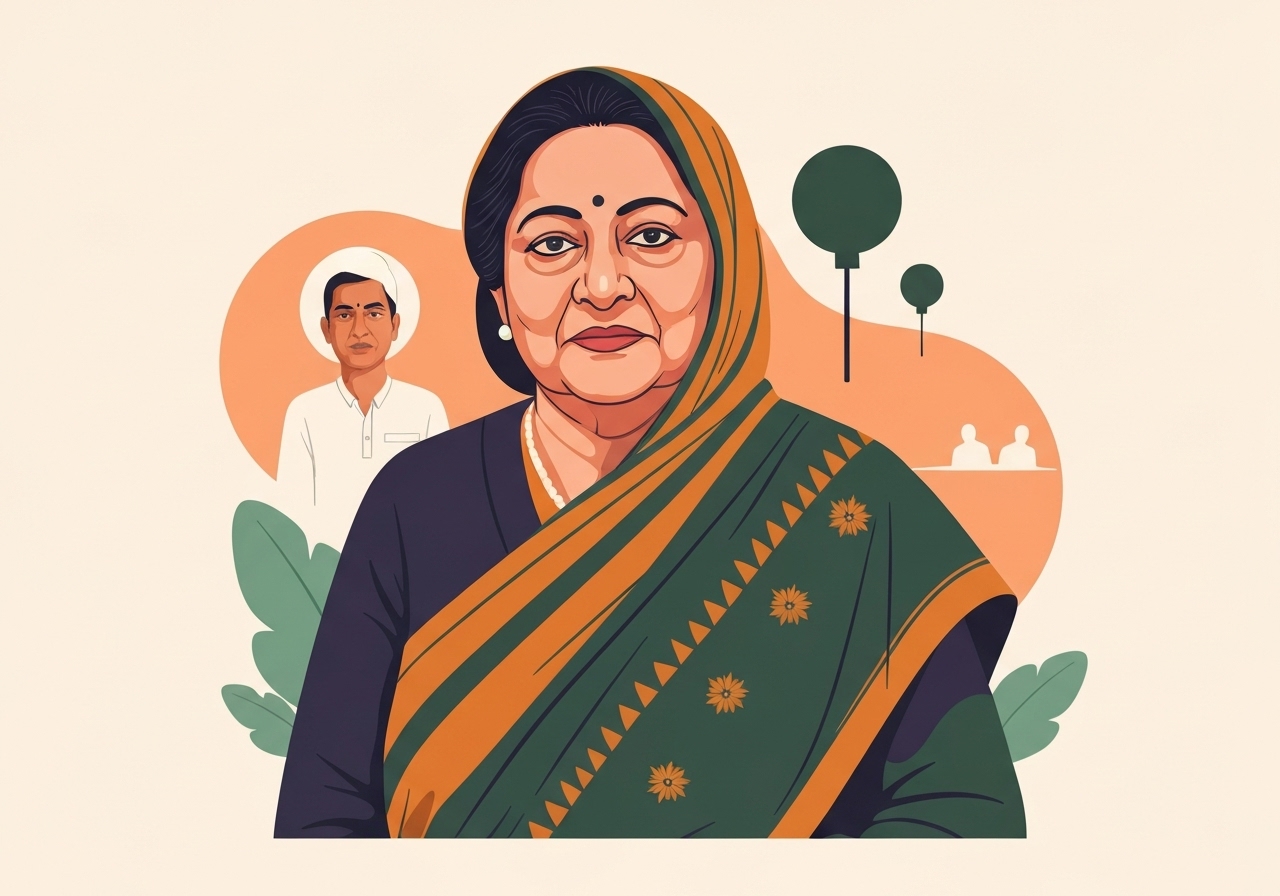
Khaleda Zia, Bangladesh’s first female prime minister and long-standing leader of the Bangladesh Nationalist Party (BNP), has died at age 80 after a prolonged illness, the party said. She died at 6am local time, the BNP announced, after a month-long hospital stay at Evercare Hospital in Dhaka where physicians described her condition as extremely critical and placed her on life support. Zia had been treated for kidney damage, heart disease and pneumonia among other conditions, and was released from custody in January 2025 following mass protests that forced the previous government from power. Her death removes a central figure in Bangladesh’s post-independence politics on the eve of a pivotal national election planned for February.
Key Takeaways
- Khaleda Zia died aged 80, confirmed by the BNP; she had been hospitalized for about a month with kidney damage, heart disease and pneumonia.
- Zia first entered national politics after the 1981 assassination of her husband, President Ziaur Rahman, and became prime minister in 1991 in Bangladesh’s return to parliamentary rule.
- She served multiple stints as prime minister: 1991–1996, a brief period in 1996, and 2001–2006; her second 1996 term lasted only weeks amid election controversy.
- Zia spent years in jail and under house arrest on corruption convictions she and supporters called politically motivated; she was released in January 2025 after the fall of Sheikh Hasina’s government.
- The BNP said she intended to campaign in the February 2025 election; her son Tarique Rahman, 60, who returned from 17 years in exile last week, is widely viewed as the likely BNP leader if the party wins.
Background
Khaleda Zia emerged as a national political figure after the 1981 killing of her husband, President Ziaur Rahman. Initially a reserved first lady, she took the helm of the Bangladesh Nationalist Party (BNP) and led it into the 1991 election that restored parliamentary democracy after years of military rule. Her ascent marked Bangladesh’s first female premiership and shifted a male-dominated political landscape. Over subsequent decades, Zia and her rival Sheikh Hasina—daughter of independence leader Sheikh Mujibur Rahman—became the two dominant personalities shaping the country’s politics, often in bitter competition.
Zia’s political career was punctuated by alternating periods in office and legal or custodial troubles. Her administrations won praise for initiatives on women’s education and social development but also drew allegations of corruption and contested electoral practices. The abolition of the caretaker government system before the 2014 election deepened the political standoff between BNP and the Awami League led by Hasina, prompting boycotts and street confrontations. Those tensions defined much of Bangladesh’s political life in the 2010s and early 2020s.
Main Event
Medical teams at Evercare Hospital treated Zia for multiple, chronic conditions for roughly a month before announcing her critical state. Physicians said she was placed on life support; clinicians also noted limits to simultaneous interventions given her age and overall frailty. The BNP posted an announcement on its social channels saying, “Our favourite leader is no longer with us” and confirming the time of death. Crowds and supporters gathered outside the hospital after news of her passing, reflecting her lasting symbolic role for the opposition.
Zia had been expected to play a visible role in the run-up to the scheduled February 2025 general election; the BNP announced plans for her to campaign following her release from detention in January. Her son, Tarique Rahman, who returned to Bangladesh after 17 years in self-imposed exile in London, had rejoined party activities last week and is seen by many within BNP as the natural successor. Party officials and interim leaders attended to family matters at the hospital, and the BNP requested prayers for her soul.
Official and regional leaders offered condolences. India’s prime minister posted condolences on his social feed, highlighting Zia’s role in Bangladesh’s development and bilateral ties. Interim BNP leader Muhammad Yunus called on the nation to remember her as a major figure in the country’s democratic movement. Domestic supporters described her as an icon of resistance to what they portrayed as increasing centralization of power under Hasina’s long premiership.
Analysis & Implications
Zia’s death carries immediate political and symbolic consequences for Bangladesh as it approaches a high-stakes election. Practically, it removes the BNP’s most prominent electoral brand and may accelerate consolidation of authority within party ranks around Tarique Rahman or other senior figures. The party’s ability to translate sympathy and mobilization at funerary events into disciplined, nationwide campaigning could decide its electoral fortunes in February.
Strategically, the loss could reshape opposition tactics. Zia had been a unifying emblem for disparate anti-government forces; without her visible presence, some local leaders may pursue more fragmented approaches or seek alliances with smaller parties. Conversely, a concentrated leadership under Tarique could streamline decision-making but risks internal pushback from longstanding BNP cadres who retain distinct local bases and grievances.
Regionally, the death may alter diplomatic interactions in South Asia. Bangladesh’s political stability and the identity of its leadership matter to economic and security cooperation with neighbors, notably India. New leadership dynamics within BNP, and the conduct of the upcoming election, will be closely watched by external partners for signals about continuity in bilateral arrangements and investor confidence.
Comparison & Data
| Term | Years | Notes |
|---|---|---|
| First | 1991–1996 | Returned parliamentary democracy; emphasis on social programs and women’s education |
| Second | 1996 (weeks) | Brief, contested term amid disputes over election administration |
| Third | 2001–2006 | Full term; later faced corruption allegations |
The table summarizes Zia’s time in office and principal controversies. Her political career oscillated between electoral victories and legal challenges, a pattern that has shaped public perceptions of both governance and accountability in Bangladesh.
Reactions & Quotes
Supporters and political officials issued immediate public statements. The BNP confirmed the death and framed Zia as a guiding figure for the party.
“Our favourite leader is no longer with us. She left us at 6am this morning.”
Bangladesh Nationalist Party (BNP) statement on Facebook (official party announcement)
Interim BNP leadership emphasized her role in the democratic movement and called for national reflection.
“Her role in the struggle to establish democracy, a multi-party political culture, and the rights of the people in Bangladesh will be remembered forever.”
Muhammad Yunus (Interim BNP leader)
Regional leaders noted the end of an era in Bangladesh politics and offered condolences.
“Deeply saddened by her passing; we hope her vision and legacy will continue to guide our partnership.”
Narendra Modi (Prime Minister of India, social media statement)
Unconfirmed
- The BNP stated Zia intended to run in the February 2025 election; details of any finalized candidacy or formal nominations were not independently verified at the time of reporting.
- Reports that Tarique Rahman will automatically assume national leadership if BNP wins remain projections; internal party procedures and formal appointments were not publicly confirmed.
- Some social-media accounts circulated specific medical details about treatment limitations; hospitals confirmed critical status but did not provide a comprehensive public medical chronology.
Bottom Line
Khaleda Zia’s death closes a consequential chapter in Bangladesh’s post-independence political history. As the first woman to lead the nation and a polarizing figure for decades, her passing will reshape the narrative and practical calculations of the opposition BNP ahead of a decisive election.
In the near term, party cohesion, the choice of successor leadership, and the management of funeral-related public mobilization will be critical indicators of the BNP’s electoral strength. International observers and regional partners will watch whether the election proceeds with broad participation and credibility, and how new leadership configurations affect Bangladesh’s domestic stability and foreign relations.