
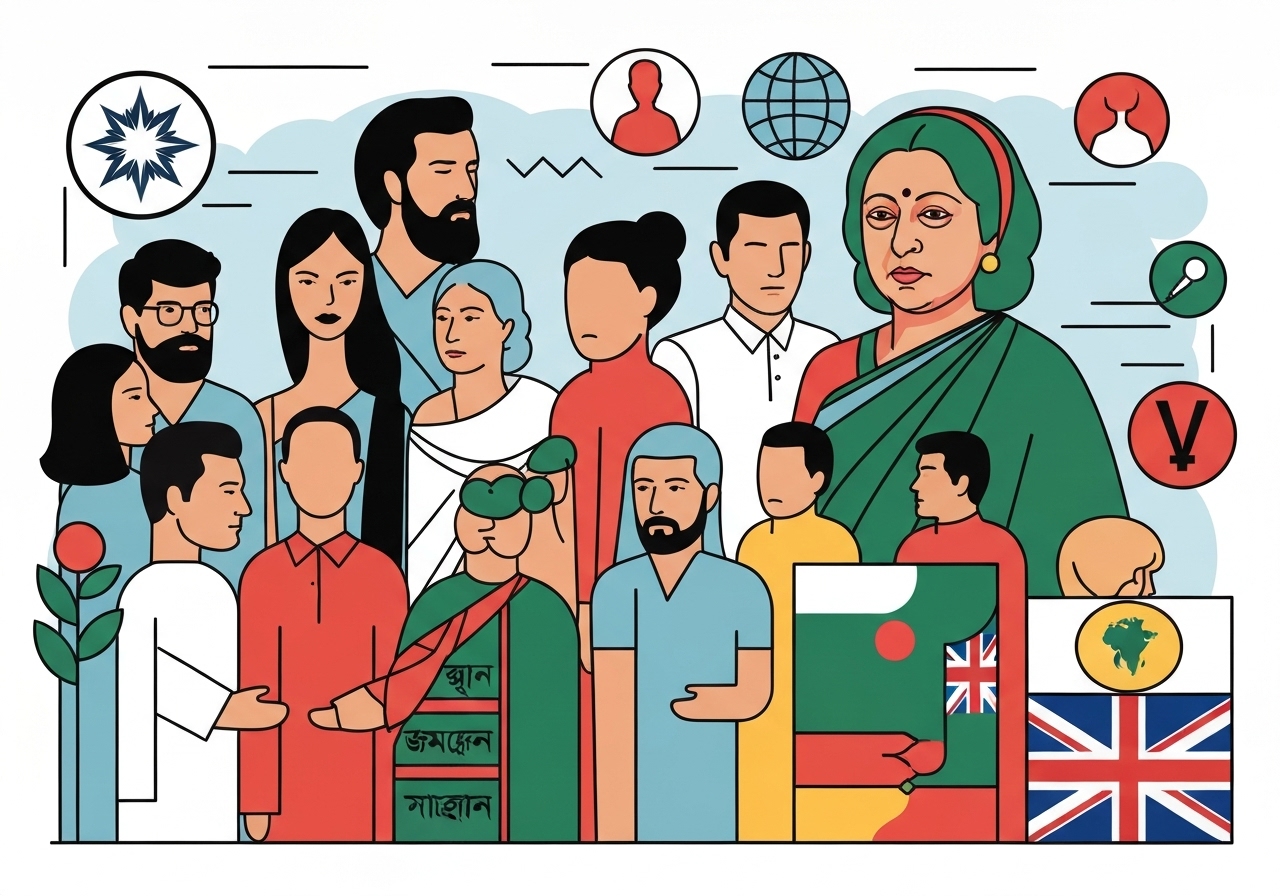
Bangladesh and international leaders offered widespread condolences after former Prime Minister Khaleda Zia died in Dhaka on 30 December 2025 at the age of 79 following a prolonged illness. The three-time prime minister and long-time leader of the Bangladesh Nationalist Party (BNP) was celebrated by supporters as a pioneer for women in Bangladeshi politics, while rivals and foreign governments highlighted her role in the country’s post-independence political evolution. Government figures, opposition leaders and foreign capitals issued statements that framed her passing as a notable moment for national politics and regional diplomacy. The announcements set in motion arrangements for mourning and raised immediate questions about the political implications for the BNP and Bangladesh’s polarized public life.
Key Takeaways
- Khaleda Zia died on 30 December 2025 in a Dhaka hospital at age 79 after a prolonged illness, as reported by major outlets.
- She served as Bangladesh’s first female prime minister and held the office three times, leading the Bangladesh Nationalist Party (BNP).
- Interim Bangladeshi leader Muhammad Yunus described her as a “symbol of the democratic movement,” expressing “profound sorrow.”
- Sheikh Hasina, currently in exile in India following her overthrow last year, offered condolences and acknowledged Khaleda’s role in establishing a multi-party political culture.
- Regional leaders including Indian Prime Minister Narendra Modi and Pakistan’s Prime Minister Shehbaz Sharif issued condolences, noting her contributions to national development and bilateral ties.
- The US embassy in Dhaka extended condolences, saying Zia played a pivotal role in shaping Bangladesh’s modern history.
- Her death immediately prompted questions about BNP succession, the party’s organisational stability, and the near-term political balance in Bangladesh.
Background
Khaleda Zia rose to prominence in Bangladesh as leader of the Bangladesh Nationalist Party and became the country’s first woman prime minister. Over several decades she and Sheikh Hasina of the Awami League were central figures in a rivalry that has defined Bangladeshi politics, producing alternating governments, repeated legal battles and deep public divisions. Khaleda’s three terms in office and her position as BNP leader made her a focal point for conservative and nationalist constituencies, while her opponents criticized her administration on governance and corruption grounds in various periods.
The political context entering 2025 has been turbulent: Sheikh Hasina remains in exile in India following her overthrow last year, and an interim leadership structure is in place in Dhaka. Those developments have heightened the stakes of any major change among senior politicians. Khaleda’s death therefore arrives at a moment when party leadership, mobilisation capacity and electoral calendars are politically sensitive, and international partners are watching how Bangladesh’s political transition will proceed.
Main Event
On 30 December 2025 hospital staff in Dhaka confirmed Khaleda Zia’s death after a prolonged illness; she was 79. Officials and party spokespeople notified supporters and the wider public through statements relayed to international media. Within hours, Bangladesh’s interim leader Muhammad Yunus issued a formal message expressing grief and praising her role in promoting democracy and multi-party politics.
Sheikh Hasina, currently living in India after being overthrown last year, posted condolences through her party channels, acknowledging Zia’s historical significance as the country’s first woman premier and the enduring imprint of her political career on national life. Regional leaders responded quickly: India’s Prime Minister Narendra Modi wrote on social media that he was “deeply saddened” and extended sincere condolences to her family and to Bangladesh.
Pakistan’s Prime Minister Shehbaz Sharif described Khaleda as a committed friend of Pakistan, noting her lifelong public service and legacy of national development. The US embassy in Dhaka also issued a statement of sympathy, saying Zia’s leadership had been instrumental in shaping modern Bangladesh. Local party offices and grassroots networks began organising vigils and gatherings as family and officials planned funeral arrangements.
Analysis & Implications
Khaleda Zia’s death ends a long personal saga that shaped the post-independence politics of Bangladesh. As a three-time prime minister and leader of the BNP, she embodied a strand of nationalist-conservative politics that has competed intensely with the Awami League. Her passing is likely to test the BNP’s organisational resilience and clarity of succession at a time when its political future is already complicated by legal and exile dynamics affecting other senior figures.
Regionally, the swift condolences from New Delhi, Islamabad and the US reflect the diplomatic importance of stability in Dhaka. Bangladesh’s role in South Asian trade, migration and security means transitions among senior political figures attract attention from neighbours and international partners. Statements praising Khaleda’s contribution to bilateral ties signal a desire among regional leaders to maintain steady relations during the period of national mourning.
Domestically, the event may both consolidate support among Khaleda’s base and catalyse political mobilisation by opponents. Political funerals and memorials can become focal points for public expression; authorities will face decisions about the scale of official mourning and security measures. For the BNP, the immediate challenge will be managing the emotional response of supporters while presenting a coherent leadership path forward.
Comparison & Data
| Leader | Position (as reported) | Message Summary |
|---|---|---|
| Muhammad Yunus | Interim leader, Bangladesh | Expressed profound sorrow; called Zia a symbol of the democratic movement. |
| Sheikh Hasina | Exiled Awami League leader (in India) | Acknowledged Zia’s role as the first woman PM and her contributions to democracy. |
| Narendra Modi | Prime Minister of India | Wrote he was deeply saddened and extended sincerest condolences to family and nation. |
| Shehbaz Sharif | Prime Minister of Pakistan | Called her a committed friend of Pakistan and noted her service to national development. |
| US Embassy, Dhaka | Diplomatic mission (United States) | Extended deepest condolences and recognised her role in Bangladesh’s modern history. |
The table summarises immediate official responses reported by major outlets. These reactions highlight both domestic political fault lines and the regional diplomatic emphasis on continuity. Analysts will monitor whether statements translate into coordinated diplomatic gestures, such as state-level representatives at memorial events.
Reactions & Quotes
“I am deeply saddened and grief-stricken by her death — she was a symbol of the democratic movement.”
Muhammad Yunus, interim leader (Bangladesh)
Context: Yunus’s message framed Zia’s career in terms of democratic struggle and national service, setting a conciliatory ceremonial tone for domestic audiences.
“As the first woman Prime Minister of Bangladesh, her contributions to the nation will be remembered.”
Sheikh Hasina, Awami League (in exile, India)
Context: Hasina’s statement acknowledged Zia’s historic role while reflecting the rivalry that has defined Bangladeshi politics for decades.
“I am deeply saddened. My sincerest condolences to her family and the people of Bangladesh.”
Narendra Modi, Prime Minister of India
Context: Modi’s social-media message emphasised bilateral ties and development cooperation as elements of Khaleda Zia’s legacy.
Unconfirmed
- The precise medical details beyond the description of a “prolonged illness” have not been independently verified in public reports.
- Whether the government will declare a formal state funeral or the scale of official mourning has not been confirmed at the time of reporting.
- Specific internal BNP succession plans and timelines have not been made public and remain subject to negotiation within the party.
Bottom Line
Khaleda Zia’s death is both a personal loss for her supporters and a consequential political moment for Bangladesh. As a three-time prime minister and pioneer for women in national leadership, she will be remembered in statements from political rivals and foreign capitals alike. The immediate period will test the BNP’s ability to manage succession, maintain organisational cohesion and translate sympathy into coherent political strategy.
For regional actors, the emphasis in official reactions has been on stability and continuity in bilateral relations. Observers should watch funeral arrangements, internal BNP decisions and government responses over the coming days for clearer indicators of how this event will reshape Bangladesh’s political landscape in the near term.
Sources
- Al Jazeera — International news outlet (reported statements from Bangladeshi officials and foreign leaders)