
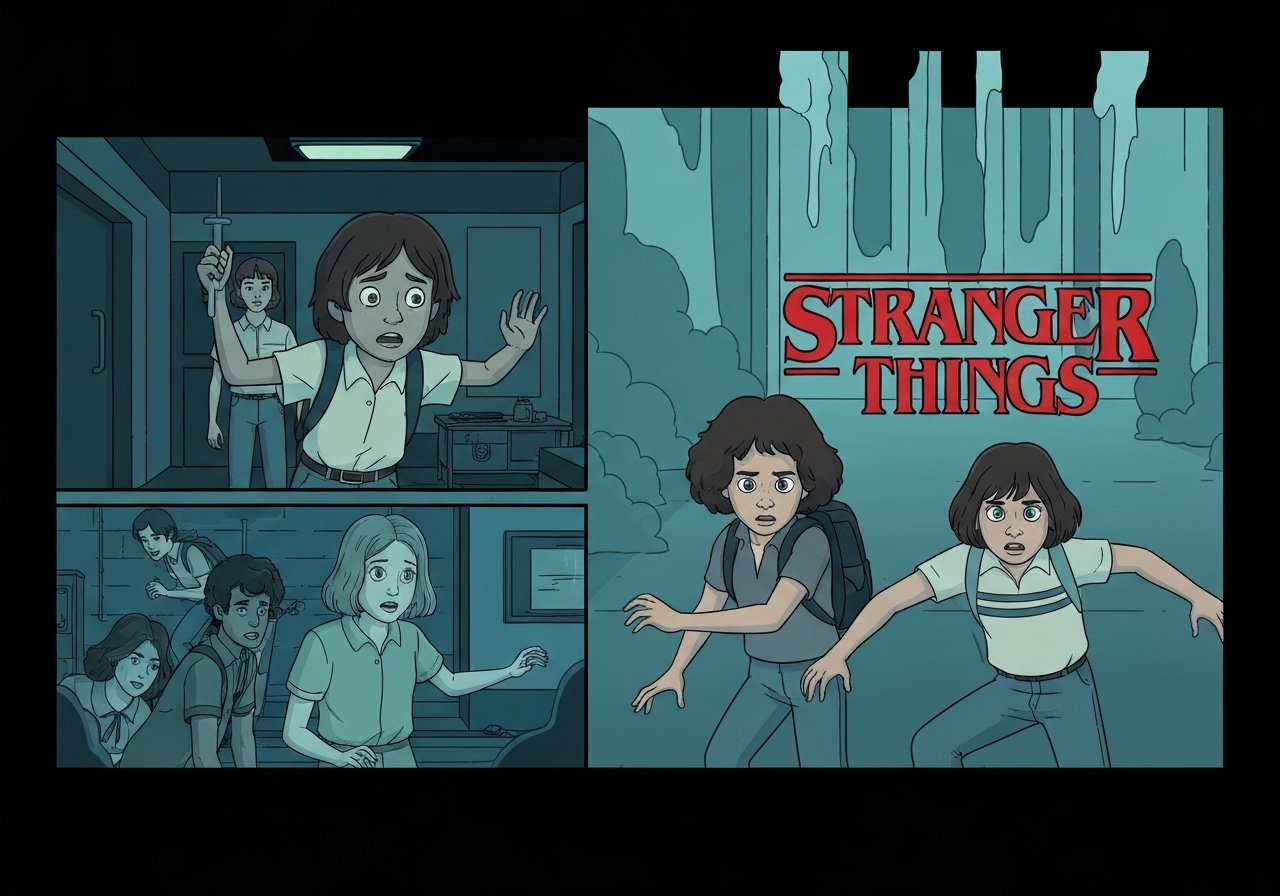
Netflix and the Duffer Brothers released the final trailer for Stranger Things’ series finale ahead of the Dec. 31, 2025 premiere. The footage centers on a climactic confrontation in Hawkins and includes a charged plea from Jim Hopper to Eleven. The episode will debut in select theaters and on Netflix simultaneously at 5 p.m. PT on Wednesday. The rollout and audience interest have been unusually large for a streaming series finale.
Key Takeaways
- The final episode of Stranger Things is scheduled for release on Dec. 31, 2025, at 5 p.m. PT on Netflix and in select theaters.
- Netflix expanded theatrical screenings from an initial 350 venues to more than 600 theaters for the finale.
- Co-creator Ross Duffer reported over 1.1 million RSVPs for NYE and New Year’s Day screenings, with 3,500 showtimes across 620+ theaters already fully booked.
- Theatrical and streaming premieres underline the series’ scale: season 4 previously logged more than 140 million global views.
- The trailer includes emotional and action-driven beats and features a direct, high-stakes appeal from Hopper to Eleven, heightening expectations for the finale.
- The series’ final rollout comes amid audience disputes following Vol. 2 and conversation around a Will Byers storyline; the Duffer Brothers have not issued a public response to those specific controversies.
Background
Stranger Things debuted a decade ago and became a flagship property for Netflix, blending 1980s genre homage with serialized supernatural plotting. Across five seasons, the show helped define Netflix’s global cultural reach and demonstrated the platform’s ability to make event television out of streaming releases. Seasons have varied in tone and scale, with season 4 notably expanding the series’ scope and audience numbers.
The decision to screen the series finale in theaters reflects an evolving strategy where streaming platforms use limited theatrical windows to create communal events and additional revenue streams. That strategy has precedent in other franchise finales and prestige streaming releases, but it remains relatively novel for a show that built its audience primarily at home. The Duffer Brothers direct the final episode, marking the creators’ hands-on role in closing the story.
Main Event
The final trailer, released in late December, frames the last episode as a battle to end a monstrous threat centered on Hawkins. Scenes intercut character close-ups, large-scale setpieces and a moment in which Hopper implores Eleven to make a last stand. The edited preview is constructed to emphasize stakes and to suggest a decisive conclusion to long-running plot threads.
Netflix said the episode will be available simultaneously on its platform and in select theaters at 5 p.m. PT on Dec. 31. The company and the showrunners expanded theatrical availability after initial plans, citing audience demand for in-person screenings. Marketing materials and social posts have pushed both the theatrical and streaming windows as part of a year-end event strategy.
The theatrical rollout grew from roughly 350 theaters in the earliest announcements to more than 600 venues, according to public statements from the creators. Those expanded showings have filled many showtimes: organizers reported that over one million RSVPs were recorded for NYE and New Year’s Day events tied to the finale. Theater chains and local promoters coordinated additional screenings to meet demand.
Analysis & Implications
The dual release—simultaneous theatrical and streaming availability—signals how platforms are experimenting with eventization to drive publicity and to recapture a communal viewing dynamic that serialized streaming sometimes lacks. For Netflix, a high-profile theatrical stretch also creates ancillary revenue and renewed media attention at a moment when the company is managing subscriber expectations and content investments.
Culturally, the finale is a test of whether a long-running streaming series can sustain mass appointment viewing after years of on-demand consumption. The scale of RSVPs and the expansion to 600+ theaters show strong fan mobilization, but it is not yet evidence of lasting broadcast-style appointment habits; metrics will include both theatrical attendance and Netflix’s internal viewing data after release.
Commercially, the move may bolster ticket sales for partner theaters and drive social-media buzz that could translate to new viewers sampling earlier seasons. For the creators, a theatrically promoted finale can serve as a capstone that elevates the series’ legacy, but it also places the ending under heightened scrutiny—both from fans invested in narrative closure and from critics assessing the show’s overall arc.
Comparison & Data
| Metric | Reported Value |
|---|---|
| Theatrical venues (initial) | ~350 |
| Theatrical venues (expanded) | 600+ |
| RSVPs for NYE/NYD screenings | Over 1.1 million |
| Fully booked showtimes | Approx. 3,500 across 620+ theaters |
| Season 4 global views | 140+ million |
The figures above, drawn from public statements tied to the finale campaign, highlight the production’s scale compared with typical streaming releases. Season 4’s 140 million views functioned as a baseline for Netflix’s confidence in a larger, event-style push. The jump from 350 to 600+ venues represents an operational response to pre-release demand rather than a pre-planned global theatrical rollout.
Reactions & Quotes
Cast and creators framed the trailer as an emotional and decisive moment in the series’ run, while fans responded across social platforms with a mixture of excitement and debate over the show’s handling of recent storylines.
“I need you to fight one last time.”
Jim Hopper (line in trailer)
The line quoted above is delivered in the final trailer and was highlighted in promotional materials as a focal emotional beat. It underscores the narrative push toward a conclusive confrontation and has been widely shared by viewers and outlets in the hours after the trailer’s release.
“What a way to close out a ten-year journey—together.”
Ross Duffer (Instagram)
Ross Duffer’s public remark accompanied notes about screening RSVPs and expanded theater counts, positioning the theatrical showings as part of a shared farewell. The co-creator framed the rollout as a communal moment for fans and creators alike.
Unconfirmed
- Precise global theatrical box-office receipts for the finale are not yet available and will depend on regional attendance after release.
- Details about Netflix’s internal viewership numbers for the opening hours of the finale are not public; estimates of overall streaming performance are therefore provisional until Netflix releases official figures.
- Connections between the recent review-bombing of Vol. 2 and subsequent audience behavior remain speculative without a comprehensive analysis of review sources and motivations.
Bottom Line
The Stranger Things series finale is being positioned as both a streaming premiere and a theatrical event, reflecting Netflix’s strategy to turn high-profile endpoints into shared cultural moments. The sizeable RSVP counts and expanded theater footprint indicate strong fan engagement and a marketing push that treats the finale as a year-end spectacle.
At the same time, the finale arrives amid ongoing debate about elements of the show’s recent volumes; how audiences and critics receive the final episode will shape the series’ long-term reputation. For viewers, the immediate metrics—ticket sales, streaming peaks and social reaction—will determine whether the dual-release strategy delivers the intended sense of communal closure.
Sources
- The Hollywood Reporter — entertainment news report summarizing trailer, release plans and public statements.
- Ross Duffer (Instagram) — social post by Stranger Things co-creator reporting RSVP counts and comments on screenings.