
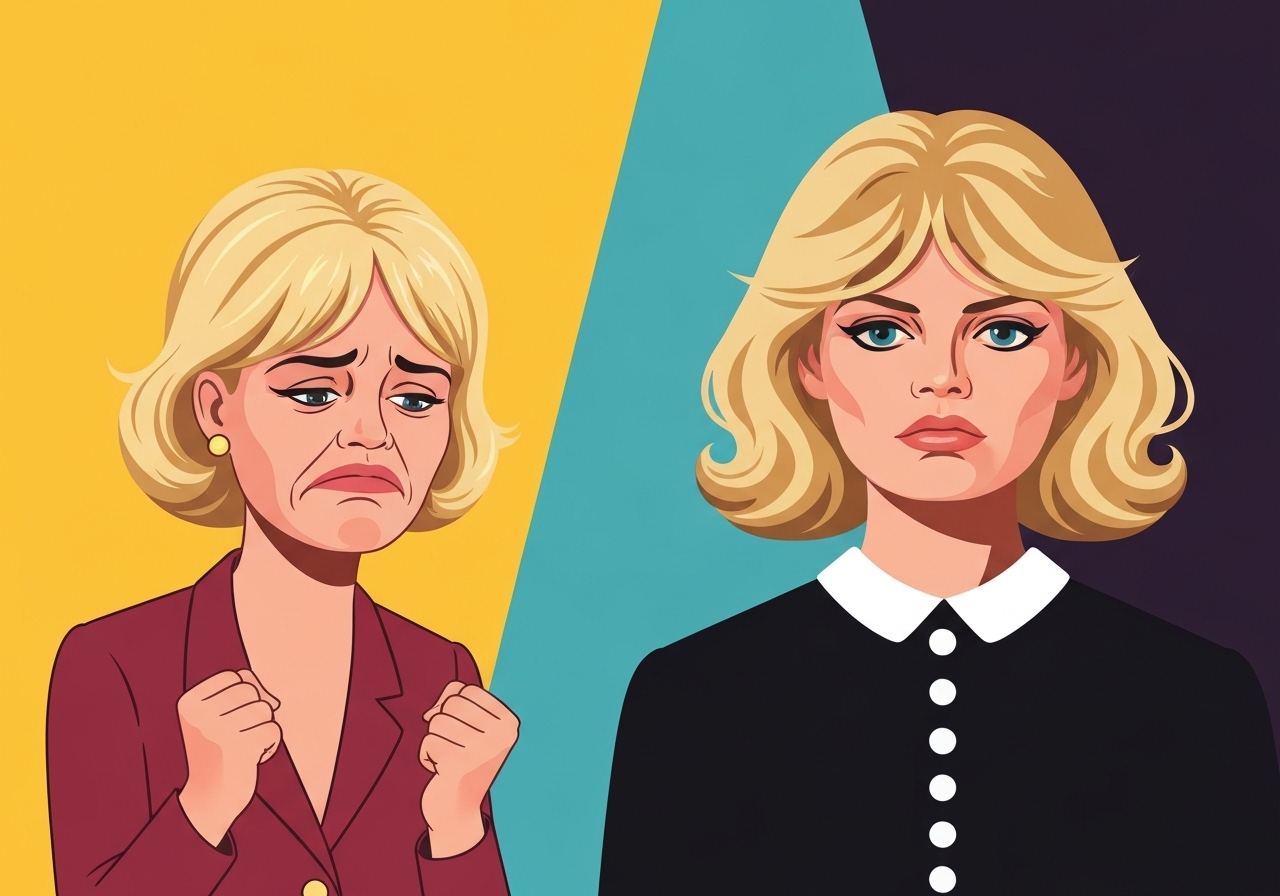
Lead: Singer Chappell Roan on Monday publicly reversed earlier praise for the late French film star Brigitte Bardot after learning of Bardot’s later-life alignment with far-right politics. Roan, 27, had referenced Bardot in her 2023 song “Red Wine Supernova” and initially offered condolences after Bardot’s death. She later said she did not condone Bardot’s political positions and that discovering them was “very disappointing.” Bardot, 91, was long celebrated for her film work and animal advocacy but also drew repeated fines for anti-immigrant comments and had voiced support for far-right figures.
Key Takeaways
- Chappell Roan, 27, initially paid tribute to Brigitte Bardot on Instagram after Bardot’s death, then clarified she did not endorse Bardot’s politics.
- Roan named Bardot in her 2023 single “Red Wine Supernova,” citing Bardot as an inspiration for the song’s opening lyric.
- Brigitte Bardot, 91, who starred in films including Roger Vadim’s “And God Created Woman” and Jean-Luc Godard’s “Contempt,” died at her home in southern France, her foundation said.
- Bardot had a history of far-right statements and was fined multiple times for comments judged to incite racial hatred, and in 1996 she said she supported National Front leader Jean-Marie Le Pen.
- French political leaders across the spectrum, including President Emmanuel Macron and National Rally president Jordan Bardella, issued public eulogies.
- Bardot was also a prominent animal-rights campaigner who established a foundation and advocated for stronger welfare laws.
Background
Brigitte Bardot rose to international fame in the 1950s and 1960s as a screen presence and cultural icon. Films such as Roger Vadim’s “And God Created Woman” (1956) and Jean-Luc Godard’s “Contempt” (1963) helped secure her status as a symbol of a particular era in French cinema and popular culture. In later decades she shifted public attention from film to activism, most notably animal welfare, launching a foundation and lobbying for legal protections.
At the same time, Bardot’s public statements on immigration and Islam provoked controversy and legal action. French courts fined her repeatedly for remarks judged to be incitement to racial hatred, and in 1996 she expressed support for Jean-Marie Le Pen, then leader of the far-right National Front. Those political stances have shadowed her legacy and prompted debate about how to reconcile artistic achievement with objectionable views.
Main Event
Following news of Bardot’s death at age 91, Chappell Roan posted a short tribute on Instagram noting Bardot had inspired a lyric in her 2023 single. Within hours, after encountering reporting about Bardot’s later political positions, Roan clarified her stance on the same platform. She wrote that she did not condone Bardot’s views and that learning about them had been “very disappointing,” signaling a formal distancing from praise that might be construed as endorsement.
Roan’s backtrack came amid broad public reaction in France, where leaders from across the political spectrum issued statements. President Emmanuel Macron praised Bardot as someone who “embodied a life of freedom,” while Jordan Bardella, head of the National Rally (the National Front’s successor), hailed her as a symbol of an era and a patriotic figure. Those divergent responses illustrated how Bardot’s image remains contested.
Representatives from Bardot’s animal-protection foundation confirmed her death and noted she had been hospitalized in recent weeks. Bruno Jacquelin, speaking for the foundation, told news agencies she died at her home in southern France and that funeral arrangements had not yet been announced. The foundation emphasized Bardot’s longstanding animal-rights campaigning alongside acknowledgement of the controversies tied to her political remarks.
Analysis & Implications
Roan’s swift retraction highlights how artists and public figures now navigate tributes in an environment where historical figures’ complex legacies are quickly reexamined. Social media accelerates discovery and dissemination of past statements, and younger artists who cite cultural influences may face rapid scrutiny when predecessors’ personal politics conflict with contemporary values. Roan’s response shows one model for addressing that tension: immediate acknowledgment and clear disavowal.
The episode also underscores ongoing debate in France and beyond about separating an artist’s work from their politics. Bardot’s contributions to cinema and animal welfare remain influential, yet her repeated legal penalties for inflammatory remarks and endorsement of far-right figures complicate straightforward commemoration. Institutions, peers and public figures increasingly face pressure to weigh both achievements and harms in public statements.
Politically, the divergent tributes from centrist and far-right leaders reflect Bardot’s symbolic utility across camps: some foreground cultural or animal-welfare accomplishments while others emphasize nationalist or era-defining traits. That split may influence how memorialization unfolds in public ceremonies or media retrospectives, and it could shape how cultural institutions handle Bardot-related programming going forward.
Comparison & Data
| Person | Age at death / current age | Notable cultural reference |
|---|---|---|
| Brigitte Bardot | 91 (deceased) | “And God Created Woman”; “Contempt” |
| Chappell Roan | 27 | 2023 single “Red Wine Supernova” (name-checks Bardot) |
The simple comparison above places Bardot’s long-standing cultural profile beside Roan’s recent musical reference. It does not quantify fines or legal actions—those are documented but vary by incident and court rulings—and instead focuses on verifiable biographical and artistic facts relevant to the public exchange.
Reactions & Quotes
“I do not condone this — very disappointing to learn,” Roan wrote, signaling she would not embrace Bardot’s political positions.
Chappell Roan (Instagram)
This quote followed Roan’s initial tribute and served to clarify that the singer did not intend to endorse Bardot’s politics.
“She embodied a life of freedom,” President Emmanuel Macron said in a public statement, emphasizing Bardot’s cultural stature.
French President Emmanuel Macron (official statement)
Macron’s remark framed Bardot primarily as a symbol of personal and cultural liberty, illustrating one strand of official commemoration.
Jordan Bardella described her as a “passionate patriot,” language that linked Bardot’s memory to a nationalist narrative.
Jordan Bardella, National Rally (party statement)
Bardella’s comment was emblematic of how far-right figures positioned Bardot’s legacy in political terms, prompting pushback from others mindful of her controversial statements.
Unconfirmed
- No official cause of death has been released by Bardot’s foundation or family; immediate reports did not specify this detail.
- Chappell Roan did not list specific Bardot statements she found objectionable; the precise items Roan referenced remain unspecified in public posts.
- Definitive timing and format for Bardot’s funeral or memorial services had not been announced at the time of initial reporting.
Bottom Line
The exchange between Roan and Bardot’s legacy illustrates a broader cultural moment: tributes to historical figures are now rapidly recontextualized in light of their full public records. For artists, naming influences is common practice, but tribute can quickly become entangled with political history, prompting clarifications or retractions when controversial beliefs surface.
Readers should expect continued debate over how to remember public figures whose work and views diverge sharply. Institutions and individuals making public statements will increasingly weigh cultural contributions against documented harmful rhetoric, and that balance will shape how legacies are framed in obituaries, retrospectives and popular discourse.
Sources
- NBC News (news report) — primary contemporary coverage of Roan’s Instagram posts and Bardot’s death.
- Associated Press (news agency) — reporting cited for statements from Bardot’s foundation and general obituary context.