
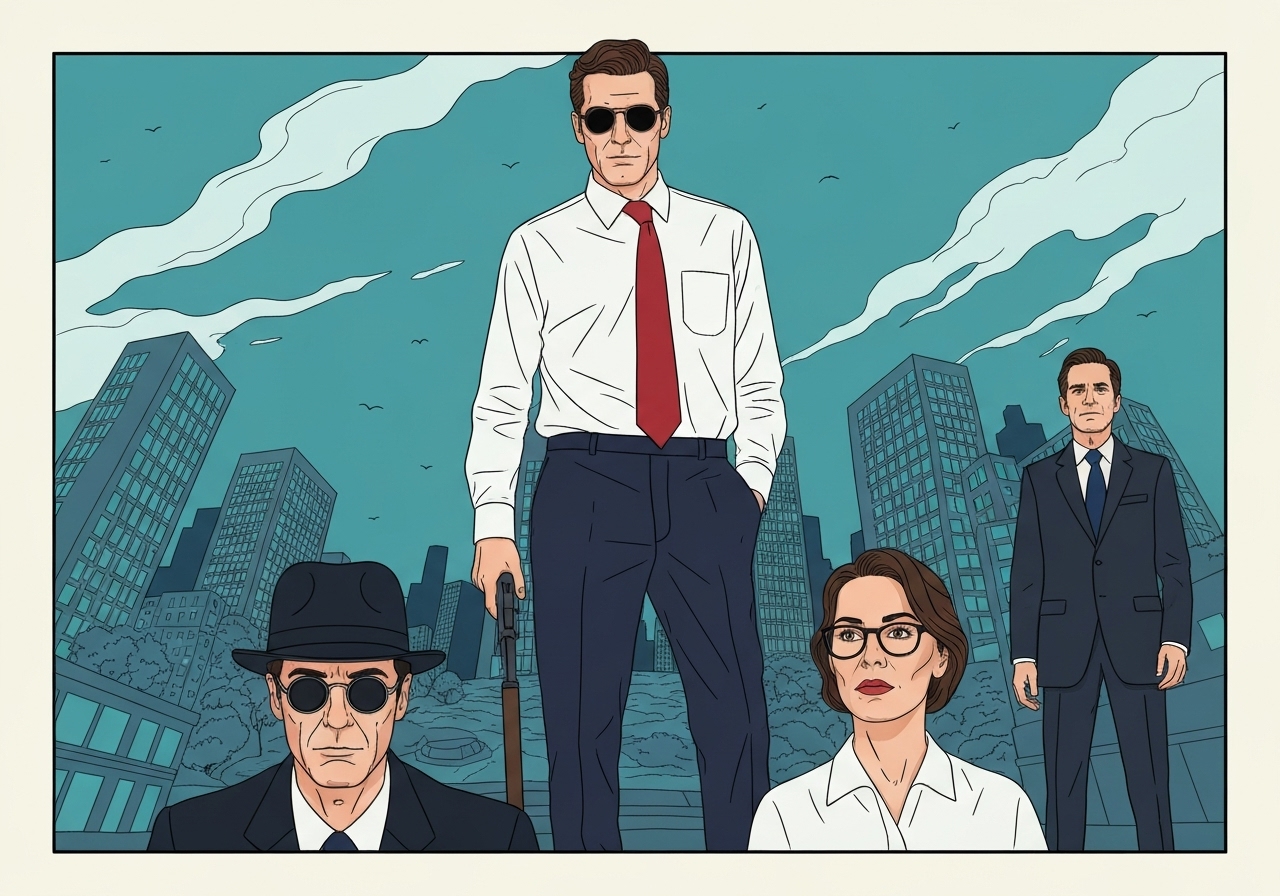
Lead: The Night Manager, the spy drama that became a cultural touchstone on its first outing, has returned to screens after roughly a decade away. This revival lands as a measured, self-assured re-entry: it retains the original’s moral ambiguity while updating its textures for contemporary television. Across its opening episodes the show balances sleek production values with a clearer narrative drive, resulting in a revival that feels purposeful rather than merely nostalgic.
Key Takeaways
- The series returns roughly a decade after its initial success, positioning itself as a deliberate revival rather than an immediate cash-in.
- The new instalment emphasizes tightened plotting and a leaner pace, with critics noting more concise episode arcs compared with the original run.
- Production values remain high: cinematography and design continue to be defining strengths, supporting the series’ espionage atmosphere.
- The revival foregrounds contemporary geopolitical anxieties, updating the story’s stakes to reflect present-day commerce and shadow networks.
- Performances are widely judged as assured and restrained, with several scenes singled out for their moral complexity rather than overt spectacle.
- Early audience response shows sustained interest but raises expectations for consistent narrative payoff across the season.
Background
The Night Manager began life as an acclaimed adaptation that translated literary espionage into a glossy television format, attracting attention for its careful tone and character-driven tension. Its original run established a template: tightly written episodes, an emphasis on psychological cat-and-mouse games, and production values that matched big-screen thrillers. Over the years the series accrued a reputation among both viewers and industry figures as one of the more successful long-form spy adaptations. That reputation set a high bar for any return, creating both anticipation and scrutiny when plans for a revival emerged.
The cultural context for a comeback has shifted: streaming platforms and global distribution changed expectations for pacing, serialization and audience attention since the original outing. Political and commercial forms of influence featured in espionage fiction have also evolved, prompting writers and producers to re-examine the themes that made the series resonant. Stakeholders behind the revival framed it as a continuation that respects the original’s instincts while acknowledging contemporary tastes for tighter story arcs and clearer throughlines. Those production choices informed early critical responses and shaped marketing around the relaunch.
Main Event
The revival opens by re-establishing the original story’s central tensions—betrayal, loyalty and the muddied ethics of intelligence and commerce—while situating them in new settings and transactions. Early episodes concentrate on rebuilding character relationships and reintroducing the moral friction that propelled the original. Scenes are staged to showcase atmosphere as much as exposition, and the series relies on visual cues and subtext rather than overt information-dumps.
Key sequences underscore the production’s polished aesthetics: carefully lit interiors, precise framing and a sound design that amplifies suspense without resorting to bombast. Dialogue is economical, often hinting at histories rather than spelling them out, which will reward attentive viewers but may frustrate those seeking immediate answers. The revival also broadens its geographical scope, suggesting wider networks of influence and a tougher set of ethical compromises for its protagonists.
As the plot advances, the writers lay down a series of bargaining chips—secrets, alliances and betrayals—that promise escalating stakes. The show resists easy villainisation, preferring to inhabit zones of moral ambiguity where characters’ choices are shaped by competing pressures. This approach restores the original’s temperament: intelligence work as a study of compromise rather than straightforward heroism.
Analysis & Implications
The Night Manager’s return illustrates how prestige television revivals can be executed with restraint rather than spectacle. Creatively, the choice to preserve ambiguity while tightening structure points to a deliberate attempt to reconcile literary subtlety with modern streaming habits. That balance may determine whether the revival satisfies long-time fans and attracts new viewers who favour clearer momentum.
Industry-wise, the series’ comeback highlights ongoing commercial interest in established intellectual property that can be reframed for current anxieties—financialized crime, transnational networks and plausible deniability. A successful run could encourage similar revivals of character-driven adaptations, shifting emphasis toward quality over mere novelty. Conversely, if the season falters in its narrative payoff, it could reinforce caution among producers about reviving complex literary works.
From a cultural standpoint, the series continues to question the ethical cost of security and profit. By updating the mechanisms of influence it explores—money, data and institutional complicity—the show remains relevant amid debates about regulation and accountability. The revival’s willingness to interrogate those dynamics suggests television can still be a useful forum for public reflection on contemporary power structures.
Comparison & Data
| Aspect | Original Outing | Revival |
|---|---|---|
| Tone | Brooding, slow-burn | Tighter, more focused |
| Visual Style | Polished, cinematic | Polished, streamlined |
| Thematic Emphasis | Cold war-era commerce & betrayal | Modern commerce, data and networks |
The comparison underscores continuity in style and substance while highlighting a shift toward economy in storytelling and a recalibrated thematic focus. The revival preserves the original’s production ambition but adapts its narrative architecture to contemporary pacing expectations. That duality appears central to the series’ early critical reception.
Reactions & Quotes
Critics have framed the revival as a cautious but effective re-entry that avoids both reverent imitation and flashy reinvention.
“A confident revival that keeps the original’s moral unease while sharpening its narrative focus.”
Financial Times critic (review)
Industry observers note the show’s production choices as indicative of broader trends in prestige television revivals.
“The team has traded some of the original’s lingering pace for a leaner structure that suits today’s serialized marketplace.”
Industry analyst
Audience response sampled on social platforms reflects appreciation for tone and craft, coupled with impatience for decisive plot movement.
“Fans welcome the return but want clearer payoffs as the season unfolds.”
Viewer reactions (sampled online)
Unconfirmed
- Exact episode count and future renewal plans are not yet confirmed and remain subject to official announcement.
- Specific casting changes or character arcs for later episodes have not been independently verified.
- Details about international distribution windows and platform exclusivity are reported in some outlets but remain unconfirmed.
Bottom Line
The Night Manager’s return is a measured success: it preserves the qualities that made the original compelling—moral complexity and cinematic craft—while retooling pacing and focus for a modern audience. The revival avoids glaring reinvention and instead opts for refinement, offering viewers a thoughtful espionage drama that rewards attention.
Whether the season will achieve lasting cultural impact depends on its ability to sustain narrative momentum and resolve the new stakes it introduces. For now, the show’s confident opening suggests a revival that aims to add meaningful chapters to the story rather than simply trading on past prestige.