
Lead
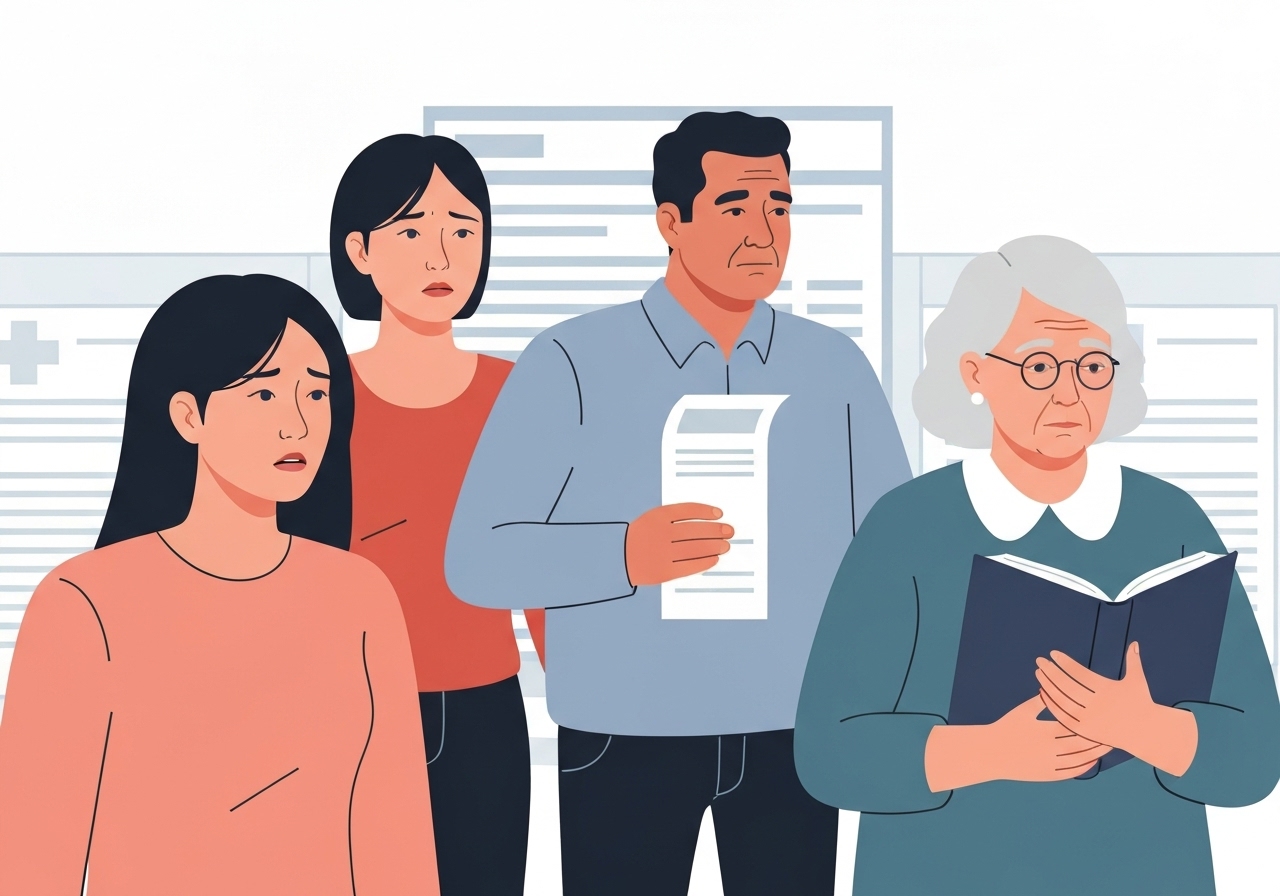
As 2026 begins, thousands of U.S. households — including Texas mother Adrienne Martin — face the year without health insurance after temporary Affordable Care Act (ACA) subsidies expired. Martin’s household premium jumped from $630 a month in 2025 to $2,400 in 2026, and her husband relies on an IV drug that costs about $70,000 per month without coverage. Millions who buy plans on the ACA marketplace had relied on tax credits first created under the ACA and expanded during the Covid pandemic; those credits have lapsed amid partisan gridlock in Washington. A congressional vote is now expected the week of 5 January, but until then many families will either go uninsured or confront steep premium increases.
Key Takeaways
- About 24 million Americans purchase coverage through the ACA marketplace, most of whom received tax-credit subsidies to lower monthly premiums.
- Some families will see premiums rise dramatically: one example rose from $630 to $2,400 a month for 2026, a near fourfold increase.
- Kaiser Family Foundation (KFF) estimates average monthly premiums could rise by about 114% without the subsidies.
- A three-year extension of the subsidies was estimated to cost roughly $35 billion per year and became a focal point of a weeks-long government shutdown earlier this year that exceeded 40 days.
- Families are responding variously: going uninsured, returning to Medicaid, stockpiling essential medicines, or reprioritising household spending such as saving for a home.
- Congressional votes on extending subsidies are expected when lawmakers return the week of 5 January; outcomes remain uncertain.
Background
The tax-credit subsidies were introduced under the Affordable Care Act in 2014 to make marketplace coverage more affordable and were expanded during the Covid pandemic to boost uptake and limit out-of-pocket burden. Those temporary enhancements were not permanently authorised, and the extra federal assistance expired at the end of 2025. Lawmakers from both parties proposed different solutions: Democrats pushed for a three-year, roughly $35 billion-per-year extension while many Republicans resisted funding another multi-year package without offsetting spending cuts.
The dispute over subsidies was linked to a prolonged federal funding fight earlier in the year that resulted in a government shutdown lasting more than 40 days, during which many services were disrupted. The shutdown concluded after negotiators agreed to reopen government with a promise to take up the subsidy issue, but a floor vote has yet to occur. With the lapse of credits, marketplace enrollees now face far higher premiums in many states, creating acute financial strain for middle-income households that are above Medicaid thresholds but below affordability for unsubsidised plans.
Main Event
Adrienne Martin, 47, of Texas learned her family’s monthly premium would increase from $630 to $2,400 for 2026 and decided to go without coverage at the start of the year. Her husband depends on an intravenous medication to manage a blood-clotting disorder; without insurance the drug’s list price is roughly $70,000 per month, prompting the family to obtain and hold extra doses to bridge the near-term gap in benefits. Martin described the new premium as comparable to paying two mortgage payments and said the household cannot afford roughly $30,000 annually for insurance.
In California, Maddie Bannister — who added a newborn to her family — expects premiums to jump from $124 a month in 2025 to about $908 a month without the subsidies. She said the higher cost will slow plans such as saving for a first home and could push many to choose to be uninsured because the cost of coverage exceeds perceived benefits. In Illinois, 38-year-old Stephanie Petersen returned to Medicaid after switching to marketplace coverage earlier; her monthly cost would rise from $75 to $580, prompting her to re-enrol in a public program.
Across states, brokers, consumer advocates and clinics reported callers seeking help understanding options, applying for Medicaid where eligible, or cancelling coverage because premiums became unaffordable. Insurers warned of administrative pressure as enrollee churn rises and as subsidy uncertainty complicates pricing and outreach. Federal officials and consumer groups urged Congress to act quickly to restore credits, while some members of both parties pressed for measured, longer-term reforms to avoid repeating the disruption.
Analysis & Implications
In the short term, the lapse of enhanced subsidies will most sharply affect households in the so-called coverage middle: earners who are too high to qualify for Medicaid but still face large premium burdens. Those families often lack savings to absorb sudden increases, and many will either forego coverage or switch to narrower, higher-cost plans. The immediate human impact includes delayed care, skipped prescriptions, and higher medical debt for acute or chronic needs — outcomes that public-health researchers link to worse long-term health and higher eventual costs.
Politically, the episode underlines how health policy can become entangled with budget fights. Democrats sought the three-year extension as both a policy fix and a political shield for voters heading into a midterm calendar; Republicans argued against extending federal spending without offsets. The standoff produced a prolonged federal funding crisis earlier in the year and now leaves lawmakers facing a compressed window to resolve coverage for millions ahead of the new year.
Economically, sharply higher premiums can reduce consumer spending on housing, education and saving, especially for younger families. Employers and state budgets may also feel secondary pressure — whether through greater demand for uncompensated care at hospitals or increased enrolment in Medicaid where states expand eligibility. Longer term, this episode could accelerate debates over the ACA’s structure, including proposals for reauthorising permanent subsidies, means-tested cost-sharing reductions, or alternative mechanisms to stabilise marketplaces.
Comparison & Data
| Household | State | 2025 premium | 2026 premium | Change |
|---|---|---|---|---|
| Adrienne Martin | Texas | $630/mo | $2,400/mo | +281% |
| Maddie Bannister | California | $124/mo | $908/mo | +632% |
| Stephanie Petersen | Illinois | $75/mo | $580/mo | +673% |
The table illustrates dramatic, household-specific increases driven by the removal of federal tax credits; KFF’s broader analysis finds an average premium increase around 114% nationally. Those averages mask wide variation by income, state, and plan choice: families near program cutoffs or in higher-cost regions will feel larger impacts. Analysts warn the financial pressure will likely escalate uncompensated care and increase the uninsured count beyond current estimates if lawmakers do not intervene.
Reactions & Quotes
Advocates and some lawmakers called the lapse a political failure, emphasising the human consequences and urging swift legislative remedies.
“I am pissed for the American people. Everybody has a responsibility to serve their district, to their constituents,”
Rep. Mike Lawler (R)
Rep. Lawler, who pushed to preserve the subsidies, framed the lapse as a bipartisan obligation to constituents who rely on marketplace assistance, noting many recipients live in states won by former President Trump. Consumer advocates said the pause in credits will yield immediate harm to access and financial security for families living paycheck to paycheck.
“It would be like paying two mortgage payments. We can’t pay $30,000 for insurance a year,”
Adrienne Martin
Martin’s comment summarises the household trade-offs: facing either uninsured months or catastrophic premium increases that displace other basic needs. Health-care navigators reported spikes in calls about Medicaid eligibility and appeals for sliding-scale services at community clinics.
“So many people are going to choose to be uninsured because it’s cheaper to pay a penalty for being uninsured than it is to have healthcare,”
Maddie Bannister
Bannister described how family plans and long-term goals like saving for a home are being postponed as budgets shift to accommodate healthcare costs. State officials and hospital systems are monitoring changes closely for signs of increased uncompensated care.
Unconfirmed
- Whether the expected congressional vote the week of 5 January will pass and, if it does, whether it will restore the subsidies retroactively for the lapse period remains unresolved.
- Estimates of the ultimate increase in the uninsured population (commonly cited as 27 million in early 2026) depend on enrollee behaviour and state-level responses and may change as more data emerges.
- Claims about the exact length of household medication stockpiles and how long those supplies will last have not been independently verified beyond family reports.
Bottom Line
The expiration of enhanced ACA subsidies has immediate, measurable consequences for millions of marketplace enrollees, producing steep premium jumps that push some families into uninsured status or back into Medicaid. The human stories—parents delaying care, households stockpiling medicines, and families cutting other savings—illustrate the concrete costs of a political impasse.
Lawmakers face a narrow window to act when Congress returns the week of 5 January; outcomes will determine whether federal assistance is restored, curtailed, or restructured. Until then, consumers should check Medicaid eligibility, review plan options on their state marketplace, and seek assistance from navigators or community clinics to understand short-term choices and protections.
Sources
- BBC News — news report summarising family cases and congressional context
- Kaiser Family Foundation — health policy research non-profit (analysis on premium changes)