
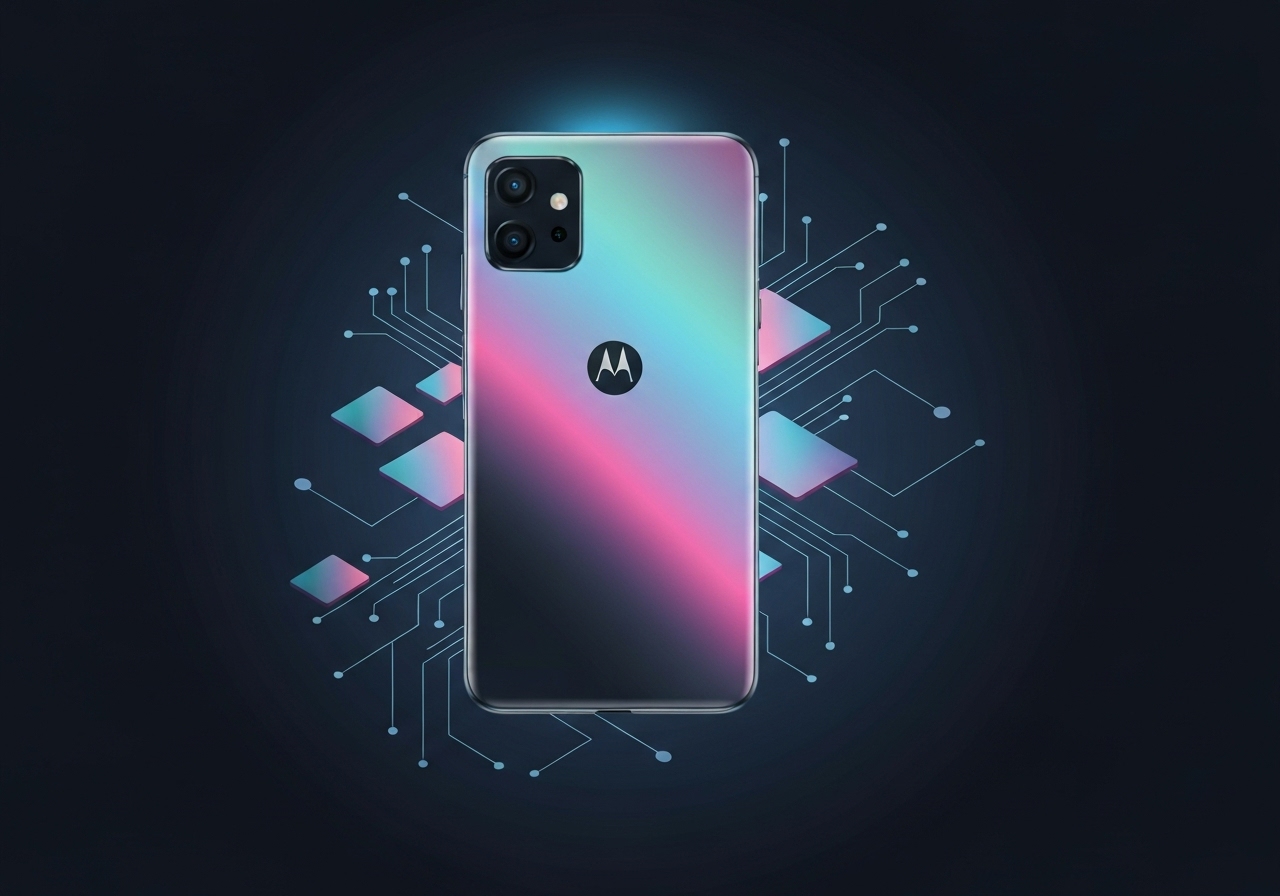
Motorola launched the motorola signature in early 2026, unveiling an ultrathin premium handset that blends refined materials with high-end imaging and AI performance. The device debuts in select European markets with a €999 starting MSRP and will expand to the Middle East, Africa, Latin America and Asia-Pacific later. Motorola positions the model as the first in a new motorola signature franchise, promising up to seven years of Android OS and security upgrades alongside exclusive concierge-style services. Independent testing recognition and manufacturer claims include a DXOMARK Gold Label for imaging and a 6.99mm quad-curved design that prioritizes both thinness and durability.
Key Takeaways
- The motorola signature is 6.99mm thick and described as the thinnest quad-curved phone in its class, combining an aircraft-grade aluminum frame with twill- or linen-inspired finishes.
- It is the first device in its category to ship with four 50MP cameras, including a Sony LYTIA 828 main sensor, a 50MP periscope with 3x optical zoom and 100x Super Zoom Pro capability, a 50MP ultrawide, and a 50MP selfie sensor.
- DXOMARK awarded the phone a Gold Label for imaging excellence, a recognition Motorola cites as the best camera in an ultrathin phone.
- Performance is driven by the Snapdragon 8 Gen 5 Mobile Platform on a 3nm process, with CPU peak up to 3.8 GHz and a dedicated AI engine for on-device AI features.
- The device carries a 5200mAh silicon-carbon battery (typical), Motorola states up to 52 hours of mixed-use battery life, 90W TurboPower wired charging and 50W wireless charging support.
- Display specs include a 6.8-inch Extreme AMOLED panel, an ultra-fast 165Hz refresh rate and peak brightness claims up to 6200 nits, with Pantone-validated color calibration and Dolby Vision support.
- Durability and sustainability: IP68/IP69 ratings, Corning Gorilla Glass Victus 2, MIL-STD-810H testing claims, and more than 63% recycled metals in the mid-housing.
Background
Motorola has long alternated between mainstream and experimental device strategies while remaining known for durability and pragmatic design. In recent years the brand, now part of Lenovo Group, has invested in on-device AI (moto ai) and camera systems to better compete with premium manufacturers. The motorola signature represents the company’s formal push into an ultra-premium segment where hardware, service and longevity promises are bundled together to justify higher pricing and brand elevation.
Global smartphone makers have increasingly used software upgrade commitments and service tiers as differentiators; Motorola now offers up to seven OS and security upgrades starting from global launch, a guarantee that aims to address consumer concerns about device longevity. Simultaneously, camera benchmarking bodies like DXOMARK remain influential in framing third-party views on imaging, making the Gold Label a strategic credential for Motorola’s marketing and retail narratives.
Main Event
Motorola introduced the motorola signature through its corporate channels, emphasizing a luxury design language including Pantone-curated colorways—PANTONE Martini Olive in twill-inspired finish and PANTONE Carbon in a linen-inspired navy. The handset is described as the slimmest quad-curved phone at 6.99mm and uses an aircraft-grade aluminum frame combined with premium surface textures to target affluent buyers and professionals.
The company highlighted a four-sensor 50MP camera array as a category first, pairing large Sony LYTIA sensors with Dolby Vision capture and on-device moto ai processing for enhanced image quality. Motorola cited 8K video, 4K slow motion and a periscope lens capable of up to 100x Super Zoom Pro in marketing materials while noting Quad Pixel or pixel-binning behaviors for some sensors.
On performance, Motorola paired the device with Qualcomm’s Snapdragon 8 Gen 5 Mobile Platform and introduced a copper mesh liquid metal cooling solution intended to sustain higher performance under load. The product announcement stressed AI-driven functions refined by an active moto ai user base and expanded language support for its AI features in several European and Asian languages.
Analysis & Implications
Motorola’s move signals an explicit attempt to claim space in the ultra-premium tier without abandoning design cues tied to its practical heritage. By combining high-end materials, extended software support and a concierge service layer, Motorola is betting that longevity and white-glove experiences can persuade buyers to choose it over incumbents that emphasize pure specs or ecosystem lock-in.
The imaging credentials are central to the device’s proposition. DXOMARK recognition and the use of Sony LYTIA sensors are intended to translate into real-world differentiation for photographers and creators, but third-party tests beyond DXOMARK will determine how the motorola signature compares against similarly priced rivals in low-light, telephoto and video performance.
Battery capacity and charging balance is a critical selling point: a 5200mAh typical capacity in a 6.99mm chassis is notable if real-world runtime matches Motorola’s up-to-52-hour claim. However, battery longevity depends on network conditions, usage patterns and software optimizations; claims about 57 hours of music streaming or 28 hours of continuous video are described by the company as estimates from laboratory profiles and may vary for consumers.
Comparison & Data
| Specification | motorola signature | Category reference (ultrathin ≤6.99mm) |
|---|---|---|
| Thickness | 6.99mm | ≤6.99mm |
| Battery (typical) | 5200mAh (rated 5100mAh) | Often 3000–4500mAh |
| Cameras | Four 50MP sensors (main, periscope 3x, ultrawide, selfie) | Usually 2–3 rear sensors, mixed resolutions |
| Display | 6.8″ Extreme AMOLED, 165Hz, Pantone-validated | High refresh common, 90–144Hz typical |
The table shows how Motorola emphasizes battery and camera counts versus typical ultrathin designs. Some category comparisons in Motorola materials are defined by price bands and in-house testing; independent benchmarking remains the gold standard for consumer comparison.
Reactions & Quotes
Motorola framed the launch as a milestone for its design and service strategy, and external voices emphasized imaging credentials and longevity claims as the most consequential points for buyers and reviewers.
We designed motorola signature to merge refined materials with sustained software support and premium services, delivering a new standard for Motorola users.
Motorola spokesperson (official announcement)
This statement was given in the context of Motorola positioning the device as a new franchise and explaining the inclusion of up to seven OS upgrades and concierge-style services.
DXOMARK awarded the device a Gold Label for imaging within the ultrathin category, highlighting its sensor combination and photo processing results.
DXOMARK (benchmarking body)
DXOMARK’s recognition will likely draw attention from photography-focused buyers, though full test reports provide the detailed metrics buyers use to compare low-light, zoom and video performance across devices.
Unconfirmed
- Comparative claims that the motorola signature is the only device in its class to meet certain military-grade durability and imaging descriptors are based on Motorola-defined category criteria and manufacturer testing and have not been fully corroborated by independent labs.
- Battery life figures (up to 52 hours mixed use, 57 hours music streaming) are lab-derived estimates; real-world results will vary with settings, network conditions and usage.
- Availability timing for the on-demand white-glove assistance and regional rollout windows beyond the initial European launch are described as coming in the following months but lack specific global launch dates.
Bottom Line
The motorola signature signals Motorola’s strategic push into a higher-priced, service-oriented segment by combining standout imaging claims, a premium materials package and extended software support. Key differentiators on paper are the four 50MP sensors, DXOMARK Gold recognition, a sizable 5200mAh battery in an ultrathin chassis, and concierge-style services tied to the device.
For consumers, the device will be compelling if independent reviews confirm the imaging and battery claims and if Motorola sustains promised software upgrades and white-glove experiences. Potential buyers should watch third-party benchmarks and early hands-on reviews to validate zoom, low-light video performance and real-world battery behavior before reaching a purchase decision.