
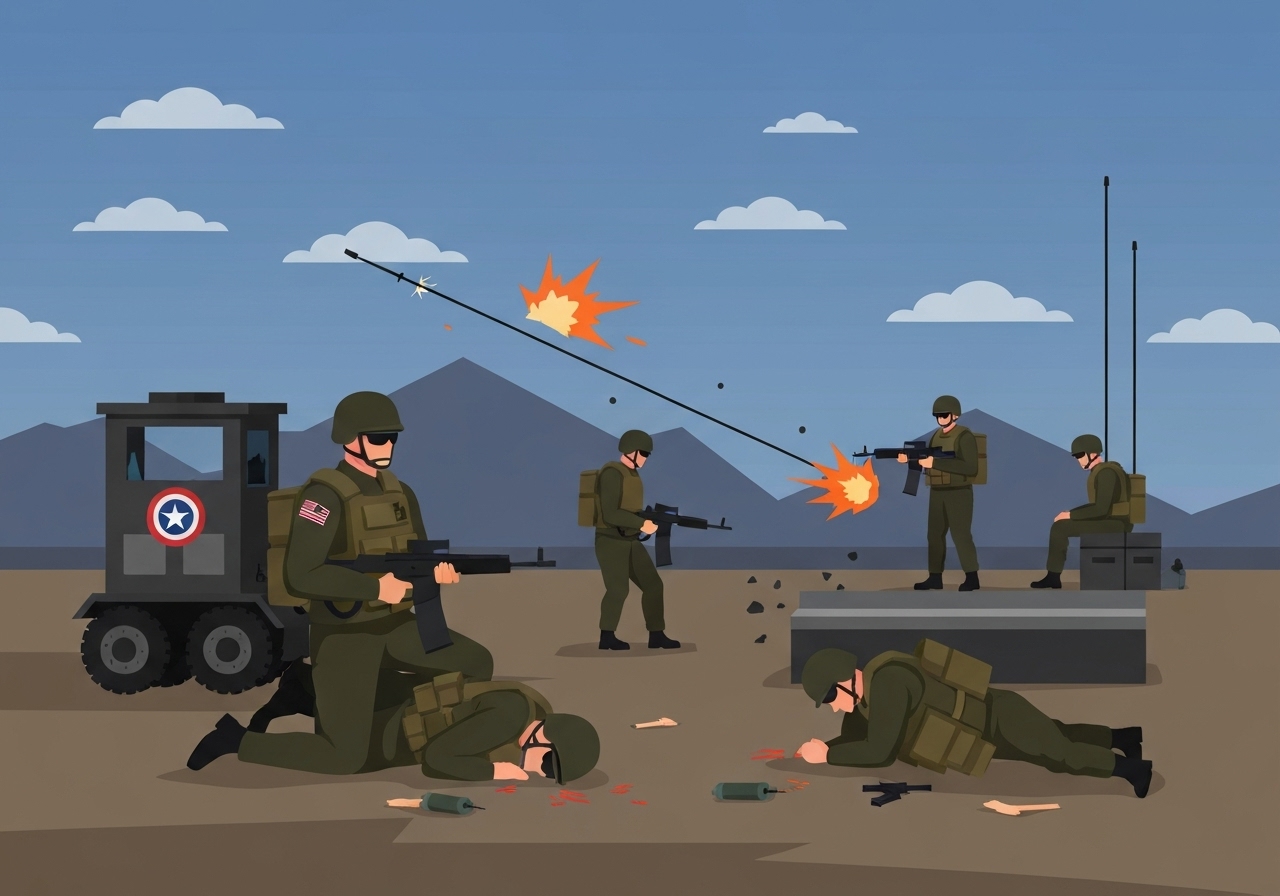
On 5 September 2025, reporting attributed to the New York Times says US Navy SEALs shot and killed North Korean civilians during a covert 2019 mission that aimed to plant a listening device on North Korean soil; the operation reportedly failed and the device was not installed.
Key Takeaways
- Report published 5 Sept 2025 cites unnamed current and former US officials and the New York Times.
- The operation took place in 2019 during high-level diplomacy between then-President Donald Trump and Kim Jong-un.
- SEALs allegedly encountered civilians diving for shellfish and opened fire, killing those on a small boat; the report does not give a confirmed casualty count.
- The mission reportedly launched from a nuclear submarine using two mini-subs; a team of eight SEALs planned to install the device and withdraw undetected.
- A classified Pentagon review later reportedly found the killings justified under the rules of engagement.
- White House, Pentagon and US embassy in Seoul did not immediately comment, according to reporting.
- The plan was said to be modeled on a 2005 operation approved during George W. Bush’s presidency.
- The episode underscores tensions between clandestine operations and diplomatic negotiations with North Korea.
Verified Facts
According to reporting on 5 September 2025, the New York Times — cited by Reuters and other outlets — says the raid occurred in 2019. The SEAL team was dispatched aboard a US nuclear-powered submarine, transferred into two mini-submarines to approach the coast, and intended to place a listening device to reduce an intelligence “blind spot” on North Korean leader communications.
Sources described a planned insertion of roughly eight SEALs who would slip past border forces, plant the device and withdraw. The operation reportedly unraveled when team members encountered local civilians who appeared to be diving for shellfish from a small boat; US forces fired on the vessel and left the area without completing the mission.
The report states the operation was approved at senior levels of the Trump administration because intercepting North Korean communications was seen as potentially advantageous ahead of 2019 summits between Donald Trump and Kim Jong-un. It also says the plan drew on a precedent from 2005.
Reporting indicates a subsequent classified Pentagon review concluded the use of force met the rules of engagement. The exact casualty number on the North Korean side was not specified in the accounts cited by the Times. Media outlets including Reuters and The Guardian noted that US officials did not publicly disclose the operation.
Context & Impact
The alleged incident occurred during a period of active diplomacy between Washington and Pyongyang in 2018–19, when US leaders sought concessions while North Korea advanced its nuclear and missile programs. Covert intelligence efforts are sometimes intensified during high-stakes negotiations, but they carry risks of escalation if they become public or cause loss of life.
If confirmed, the episode raises questions about how clandestine missions are authorized and overseen, how civilian presence is assessed during maritime insertions, and how rules of engagement are applied in denied areas. It also complicates the historical record of US–North Korea diplomacy and could affect current debate over military transparency and accountability.
- Operational risk: small-unit missions in coastal waters face identification and visibility challenges.
- Diplomatic risk: covert action during summitry can undermine negotiations if exposed.
- Legal/policy risk: classified reviews and nondisclosure make public accountability difficult.
“US forces had killed 11 people in a strike on a boat in international waters,” Republican former president Donald Trump said this week in a separate comment about a different incident, according to media reports.
Report summaries
Official Statements
“The White House, the Pentagon and the US embassy in Seoul did not immediately respond to requests for comment on the report,” media accounts noted.
Reporting from Reuters / The Guardian
Unconfirmed
- Exact number of North Korean civilians killed in the encounter is not publicly confirmed in the reporting.
- Direct, on-the-record confirmation that President Trump personally authorized the operation remains unverified beyond anonymous-source attribution.
- Full chain-of-command details, after-action reports, and the classified Pentagon review text have not been released publicly.
Bottom Line
Reporting on 5 September 2025 alleges US special operations forces killed North Korean civilians during a covert 2019 mission that did not achieve its objective. Key facts—especially casualty counts and documentary evidence of approvals—remain undisclosed publicly. The episode, if verified, highlights tensions between covert intelligence collection and diplomatic risk, and will likely fuel calls for greater transparency about lethal operations and oversight of special operations missions.