
Lead: A small U.S. delegation arrived in Caracas on Friday for technical and logistical assessments aimed at re-establishing diplomatic ties, while President Trump announced he had cancelled a planned “second wave of attacks” and prepared to meet oil executives at the White House to discuss reconstruction investment. Venezuelan officials confirmed reciprocal talks and said they would send envoys to Washington, even as families waited anxiously outside prisons after government announcements of broad releases. Meanwhile, the Senate advanced a war‑powers resolution and U.S. forces interdicted an oil tanker linked to Venezuela, underscoring the operation’s geopolitical and economic ripple effects.
Key Takeaways
- The U.S. sent a small team of diplomats and diplomatic security personnel to Caracas on Friday for “technical and logistical assessments” about reopening the U.S. embassy (State Department / AP reporting).
- President Trump announced on Truth Social that he cancelled a “second wave of attacks” after Venezuela signalled cooperation and released some political prisoners; the administration maintains maritime forces in place.
- Trump is meeting oil industry executives at the White House to solicit investment; he has suggested companies could spend at least $100 billion on Venezuelan oil infrastructure.
- The Venezuelan government said it had freed a “large number” of prisoners; human‑rights group Foro Penal confirmed eight releases, and other groups reported between eight and 11 confirmed releases.
- The Senate voted 52–47 to advance a war powers resolution intended to limit the president’s authority for continued hostilities in Venezuela (five Republicans joined Democrats).
- U.S. Southern Command confirmed forces interdicted a fifth oil tanker linked to Venezuela in the Caribbean; the Coast Guard and Navy were involved in seizing the vessel Olina.
- Operational reporting indicates U.S. helicopters came under hostile fire; one MH‑47 Chinook pilot was wounded in the leg and several service members were injured during the mission.
Background
Diplomatic relations between Washington and Caracas have been severed since 2019, when the United States withdrew recognition of Nicolás Maduro’s government and relations deteriorated amid sanctions and competing recognition of opposition figures. The recent U.S. military operation that led to Maduro’s capture and transfer to New York on drug charges dramatically escalated tensions and raised immediate questions about post‑operation governance and resource control. The Trump administration has framed its intervention as both a law‑enforcement action and a strategic effort to secure energy resources that could fund reconstruction and reduce global prices.
Venezuela’s economy has been in crisis for years: hyperinflation, a collapsed public sector and mass emigration have left basic services strained and poverty widespread. Independent economists estimate roughly eight in 10 Venezuelans live in poverty, and everyday purchases often exceed monthly minimum wages by large margins. That economic context helps explain both popular desperation inside the country and the intense international interest in Venezuela’s oil reserves, which remain among the world’s largest but are often costly to extract and refine.
Main Event
On Friday a compact U.S. delegation arrived in Caracas to perform preliminary assessments required for reopening an embassy, according to a State Department statement relayed to the press. Venezuelan interim authorities acknowledged the visit and announced reciprocal plans to send diplomats to Washington to “fulfill the corresponding tasks,” though no timetable was provided. The visit marks the first formal, on‑the‑ground U.S. diplomatic presence in years and follows a surprise overnight military operation that removed Maduro from power.
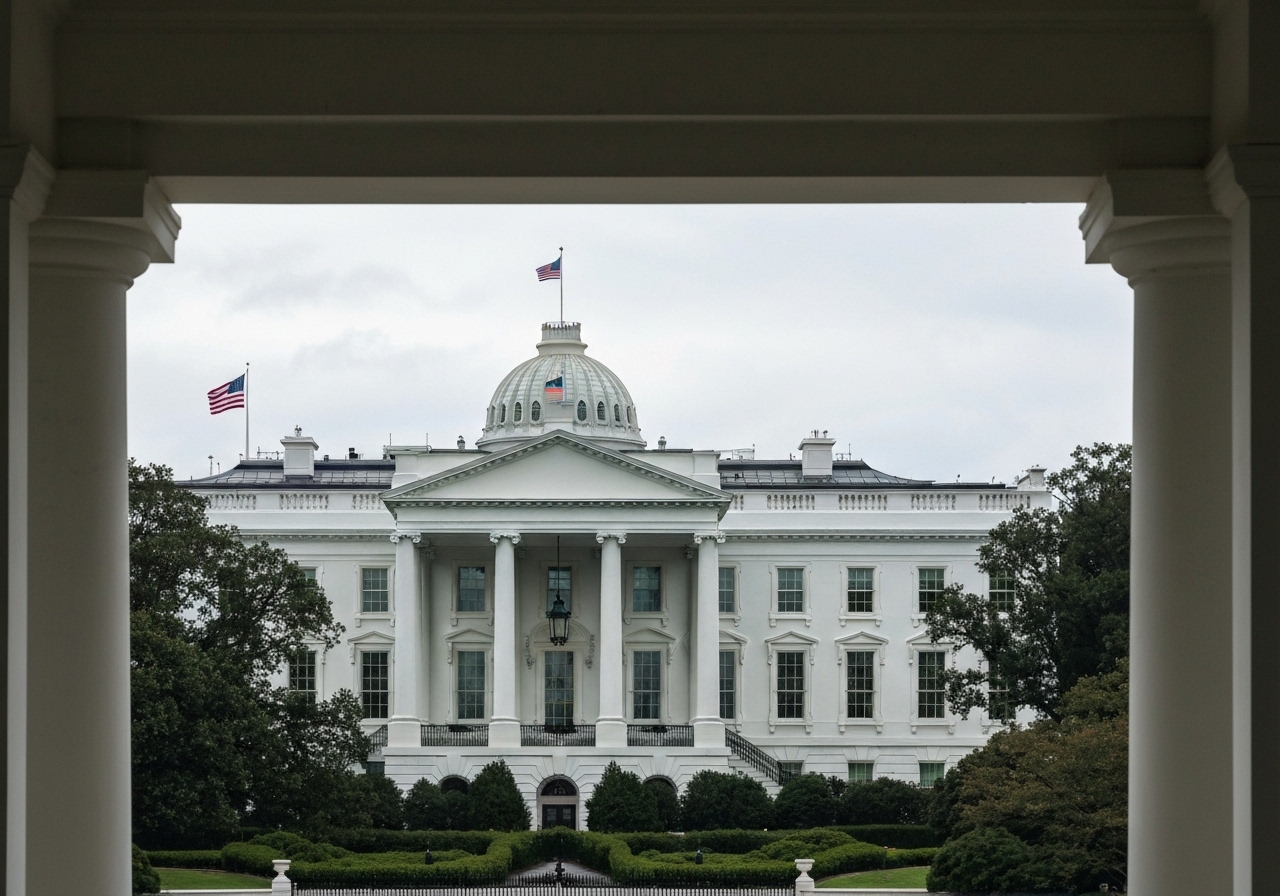
President Trump used social media early Friday to say he had cancelled a planned second wave of attacks, citing Venezuela’s cooperation and the government’s release of political prisoners as factors. He added that U.S. maritime forces would remain in place “for safety and security purposes.” The White House scheduled a 2:30 p.m. meeting with executives from major energy, refining and services firms — including Chevron, Exxon, Halliburton and others — along with top administration officials, to discuss investment in Venezuelan oil infrastructure.
On the ground in Venezuela, families gathered outside prisons after official statements about large prisoner releases; accounts varied sharply. Human‑rights monitors and NGOs reported confirmed releases numbering from eight to 11, while some family members remained waiting and anxious. Separately, U.S. Southern Command confirmed the interdiction of the oil tanker Olina in the Caribbean — the fifth such action tied to Venezuela — a move described by U.S. officials as part of a broader effort to deny safe harbor to criminal networks and illicit shipments.
Congress reacted swiftly: the Senate voted 52–47 to advance a resolution aimed at restricting the president’s authority to engage in ongoing hostilities in Venezuela, with five Republicans joining Democrats. The vote reflects bipartisan unease in some quarters about an extended U.S. role in Caracas, even as administration officials defend the operation and its objectives.
Analysis & Implications
Short term, the diplomatic outreach signals Washington’s interest in legitimizing a post‑Maduro transition and securing political leverage through formal channels rather than purely military means. Reopening an embassy would facilitate consular services and intelligence flows, but it would also require security guarantees and clear legal frameworks for any U.S. presence. The Venezuelan government’s decision to engage suggests a willingness to negotiate reciprocal steps, but domestic legitimacy and internal security remain fragile.
Economically, Trump’s public pitch to oil executives — including a repeated $100 billion figure for reconstruction — is intended to frame Venezuela as an opportunity for U.S. firms and global energy markets. Yet private sector analysts caution that attracting large‑scale investment will take years because of extensive capital needs, the high sulfur and heavy nature of Venezuelan crude, and lingering political and operational risks including past nationalizations and unsettled property claims.
Politically, the Senate action and statements from critics reflect concern that a unilateral U.S. role could become a long‑term occupation or administrative commitment. Even if the president retains authority to veto a final resolution, the congressional push creates legal and political friction that could limit options for sustained governance or resource extraction. Internationally, moves to interdict tankers and to press oil companies into reconstruction tie energy policy directly to foreign policy and law‑enforcement actions, raising questions about maritime law, third‑party states, and commercial contracts.
| Item | Latest Figure/Note |
|---|---|
| Confirmed prisoner releases (NGOs) | 8–11 confirmed by groups reporting |
| Senate procedural vote | 52–47 to advance war powers resolution |
| Estimated poverty | ~8 in 10 Venezuelans (reported estimates) |
| Trump’s reconstruction estimate | $100 billion cited publicly by the president |
| Interdicted tankers | Fifth tanker (Olina) seized per U.S. Southern Command |
The table summarizes the principal quantifiable items in recent reporting. The poverty estimate and reconstruction figure are contextually important: one indicates the scale of domestic need, the other the scale of capital the administration is asking industry to contemplate. The Senate vote quantifies congressional resistance that could shape policy implementation.
Reactions & Quotes
Administration spokespeople and the president have emphasized a mix of security, law enforcement and economic opportunity as rationales for recent actions. Officials argue that maritime interdictions and diplomatic moves are complementary: enforcement to deny illicit flows; diplomacy to establish formal channels.
“Cancelled the previously expected second Wave of Attacks… Venezuela is releasing large numbers of political prisoners as a sign of ‘Seeking Peace’… all ships will stay in place for safety and security purposes.”
President Donald Trump (Truth Social)
Congressional critics framed the intervention as an expansion of executive war powers with long‑term implications. Supporters in the administration counter that the operation disrupted criminal networks and opened a path to restore democratic institutions and rebuild energy infrastructure.
“The indication from the administration is that this is not a few days or a few weeks, it’s likely a few years of U.S. occupation and involvement in this country.”
Sen. Tim Kaine (D‑VA) — floor remarks on war powers resolution
Some lawmakers suggested the operation’s emphasis on oil complicates its stated law‑enforcement rationale.
“It became very clear in the aftermath of this military operation that this was really about oil.”
Sen. Adam Schiff (D‑CA) — interview with CBS News
Unconfirmed
- Exact total number and identities of all prisoners released; official statements described a “large number,” but human‑rights groups have only confirmed single‑digit releases in several cases.
- Whether U.S. energy companies have committed any binding contracts or firm investment timelines; public comments have outlined intentions and expectations but not executed deals.
- The precise duration and legal scope of any U.S. administrative role in Venezuela; presidential comments about running the country “much longer” are statements of intent, not settled policy.
Bottom Line
The arrival of a U.S. technical team in Caracas and reciprocal Venezuelan outreach represent a notable shift from years of severed ties, but the move comes amid intense geopolitical friction and domestic uncertainty in Venezuela. Diplomacy could ease lines of communication and pave the way for consular services and negotiated reconstruction, yet reopening an embassy will be a cautious, incremental process subject to security and legal conditions.
Economic promises tied to Venezuelan oil—highlighted by a White House meeting with major industry executives and by the president’s public $100 billion figure—face practical hurdles: the crude is heavy and costly to process, assets and contracts are contested, and political risk remains high. At the same time, congressional scrutiny, maritime interdictions and differing international reactions mean any long‑term U.S. presence or large‑scale private investment will be contested and will unfold slowly.
Sources
- CBS News — live updates (media)
- Associated Press — reporting on U.S. delegation and State Department statements (news)
- Reuters — international reporting and Vatican comments (news)
- The New York Times — coverage of administration statements and reporting on the operation (news)
- U.S. Department of Defense — operational statements and casualty status (official)