
Lead
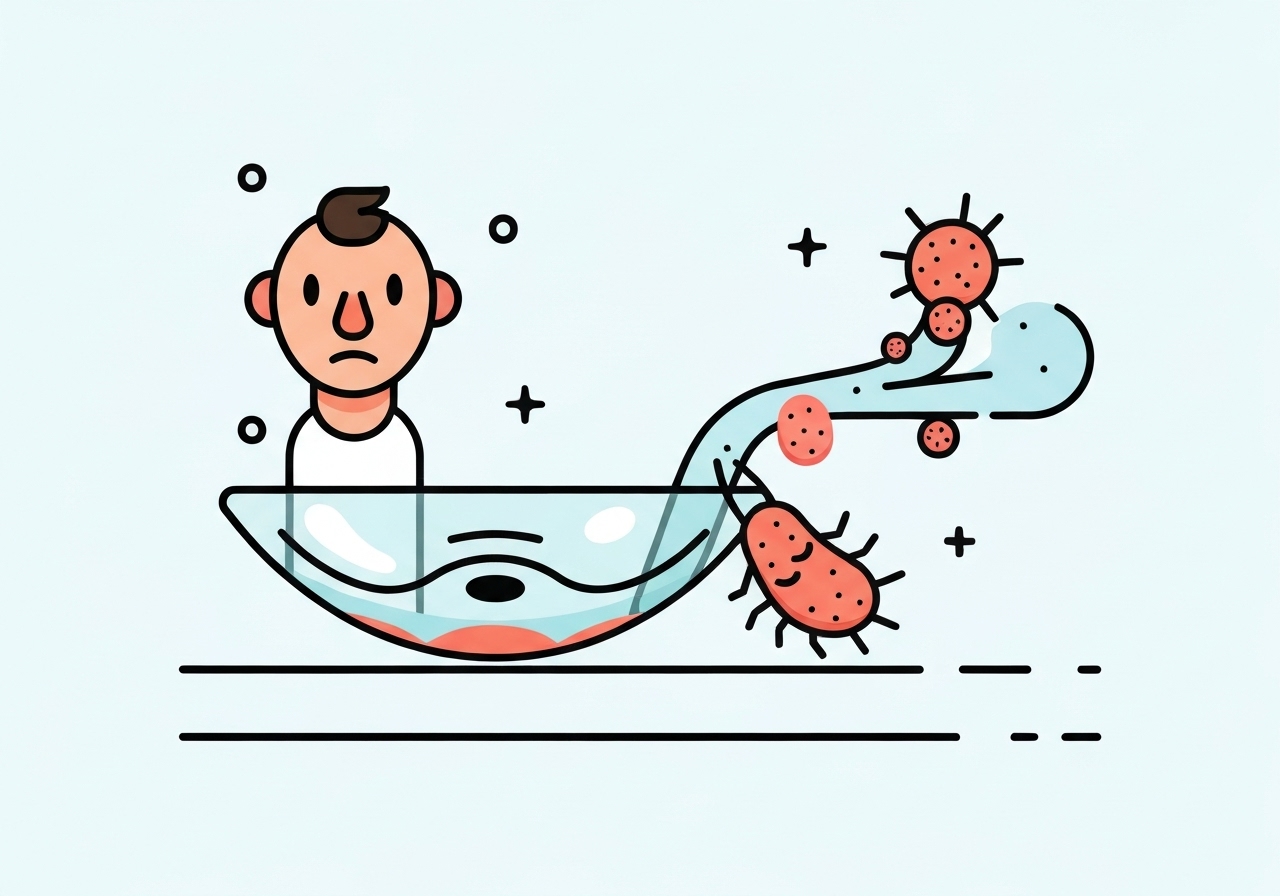
Nearly four years ago Teresa Sanchez, 33, noticed persistent dryness and a stabbing sensation in her right eye while in Mexico. Over roughly three months she was misdiagnosed by multiple clinicians before a cornea specialist identified acanthamoeba keratitis, a rare parasite-driven inflammation of the cornea that can destroy vision. The infection caused intense, radiating pain and temporary and then permanent vision loss until she eventually received a corneal transplant and later cataract surgery; she now reports 20/20 vision after a long recovery. Her case, and others, highlight diagnostic gaps, painful treatments and clear prevention steps for contact lens users.
Key Takeaways
- Acanthamoeba keratitis is rare but serious: 2023 data covering 20 countries recorded about 23,000 cases worldwide in that year.
- Contact lens use is the dominant risk factor: roughly 85%–95% of diagnosed patients wear lenses, often linked to water exposure or lens-related corneal abrasions.
- Early diagnosis matters: delays are common because early signs can mimic pink eye or herpes simplex keratitis, and advanced tests (PCR, culture, confocal microscopy) are concentrated in specialist centers.
- Treatment is prolonged and painful: first-line anti-amoebic drops (chlorhexidine, propamidine, hexamidine, PHMB) often require frequent dosing for weeks to months and can irritate already damaged corneas.
- Some patients need corneal grafts: scarring, thinning or perforation can make transplant necessary, but grafts carry recurrence risk if organisms remain dormant.
- Simple prevention reduces risk: avoid water while wearing lenses, use only purpose-made contact solution, change case solution daily, wash hands before handling lenses and prefer daily disposables when possible.
Background
Acanthamoeba are single-celled, free-living organisms found widely in water and soil. They do not require a human host to survive, but if they reach the eye they can adhere to and then penetrate the corneal epithelium when that thin protective layer has breaks or abrasions. Once established, the organism provokes an inflammatory response that can severely damage corneal tissue and impair vision.
Contact lenses create conditions that increase the likelihood of infection: micro-abrasions to the cornea, trapping of organisms between lens and eye, or transferring waterborne amoebae from contaminated sources (showers, pools, hot tubs, tap water) to the ocular surface. Public and clinician awareness is low relative to the risk, so many patients only learn about the disease after infection and social media posts have amplified individual experiences.
Main Event
Teresa Sanchez first interpreted sensations in her eye as a lens rip or routine dryness after switching to monthly contacts. After seeing multiple optometrists who treated her for allergic or viral conjunctivitis, her symptoms worsened: intense photophobia, severe pain that intensified in light, and progressive vision loss. A cornea specialist eventually confirmed acanthamoeba keratitis; by then the parasite had invaded the cornea and caused substantial tissue damage.
Grace Jamison, 20, developed symptoms after showering while wearing lenses during a trip to the Dominican Republic in May and later received steroids from an optometrist before a correct diagnosis; steroid use can worsen amoebic infections. Jamison was functionally blind for weeks before targeted therapy began and still faces long-term scarring and months of treatment, with corneal transplantation discussed as a future option.
Many patients describe the treatment phase as grueling: compounded, preservative-free anti-amoebic drops must be refrigerated and applied hourly or every half hour in some regimens; some medications themselves irritate the cornea. Patients report disrupted sleep and daily routines due to round-the-clock drop schedules, and some require support or online communities to navigate care and find specialists.
Analysis & Implications
The strong association with contact lens use — 85%–95% of cases — points to a preventable component if lens hygiene and water-avoidance messages reach wearers consistently. Contact lenses are medical devices that require manufacturer and clinician guidance; gaps in communication leave many users unaware of hazards like showering or swimming with lenses. Strengthening patient education at point-of-sale and during eye-care visits could reduce infection incidence.
Diagnostic delays are another key problem. Early-stage acanthamoeba keratitis can resemble more common corneal infections, and many primary eye-care providers lack experience or access to definitive testing. PCR, culture and confocal microscopy can identify the organism and its cyst form, but those tests and cornea specialists are often only available in university hospitals or specialty centers, creating regional disparities in outcomes.
Treatment limitations impose both clinical and research imperatives. Current anti-amoebic drops can be toxic to corneal tissue and painful for patients, and cyst forms of the amoeba can survive hostile conditions, prolonging therapy. There is a need for better-tolerated, more effective agents and for clinical pathways that balance aggressive therapy with eye preservation and realistic timelines for grafting when necessary.
Comparison & Data
| Metric | Figure/Note |
|---|---|
| Annual cases (2023, 20 countries) | ~23,000 |
| Share of cases who wear contacts | ~85%–95% |
| Common first-line topical agents | Chlorhexidine, PHMB, propamidine, hexamidine |
These numbers illustrate a disease that is uncommon overall but highly concentrated among contact-wearers. The 23,000 figure derives from 2023 reporting across a limited set of countries and should be read as a partial global estimate rather than a complete global burden. Availability of agents such as PHMB varies by country, and some topical options are unlicensed in certain regions, which affects treatment strategies.
Reactions & Quotes
“It essentially uses the cornea as a food source, producing inflammation and tissue loss if not identified early,”
Dr. Paul Barney, optometric physician, Pacific Cataract and Laser Institute (clinic)
“Early recognition can improve outcomes; if you had water exposure while wearing lenses and develop pain or light sensitivity, seek a cornea specialist,”
Dr. Ashley Brissette, ophthalmologist, Kelly Vision (professional society spokesperson)
“When I was completely blind in both eyes I regretted not appreciating my vision sooner; treatment is brutal but support and patience are crucial,”
Grace Jamison (patient)
Unconfirmed
- Exact global burden: the cited ~23,000 cases come from 2023 data covering 20 countries; full worldwide incidence is uncertain because many regions lack surveillance.
- Clinician warning practices: anecdotal reports and social media indicate inconsistent counseling about water exposure while wearing lenses, but systematic data on practitioner communication rates are limited.
- Long-term recurrence risk after transplant varies by case; reported dormancy of cysts means the true rate of reactivation after grafting is incompletely quantified.
Bottom Line
Acanthamoeba keratitis is uncommon but can be devastating, especially for contact lens wearers who are exposed to water or practice poor lens hygiene. Prompt recognition, specialist referral and adherence to rigorous treatment protocols improve the chance of saving vision, but therapies are painful and access to diagnostic tests and cornea experts is uneven.
Prevention is straightforward and high-impact: avoid water while wearing lenses, use only commercial contact solution for cleaning and storage, change case solution daily, wash hands before handling lenses, and consider daily disposables or non-lens options if you frequently swim or shower with lenses. Clinicians and manufacturers should strengthen patient education and widen access to diagnostic and therapeutic resources to reduce avoidable vision loss.