
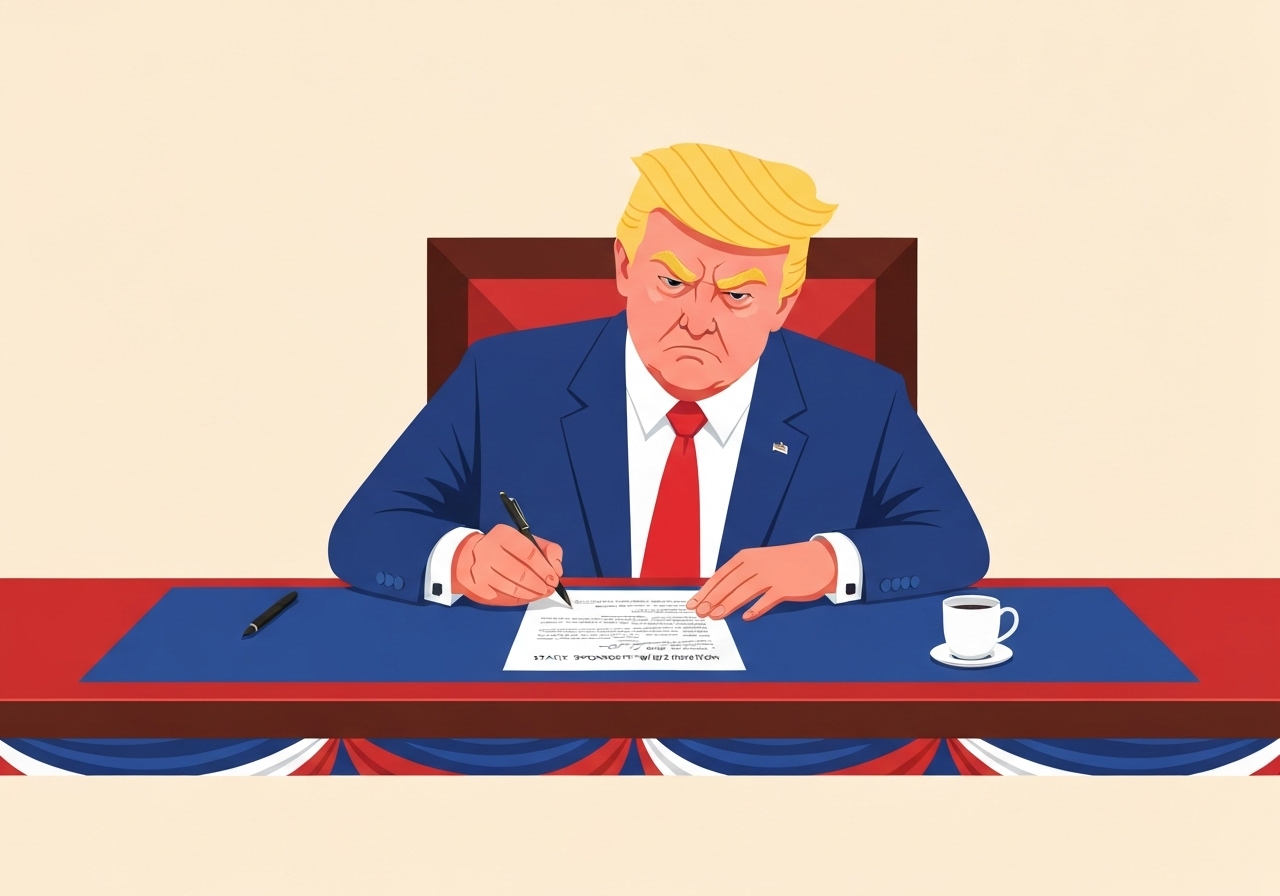
On Sept. 5, 2025, President Donald Trump signed an executive order at the White House creating a “state sponsor of wrongful detention” designation intended to punish governments or territorial actors that wrongfully imprison U.S. citizens and to push for their release.
Key Takeaways
- The new designation, announced Sept. 5, 2025, empowers the State Department to identify and label countries or controlling entities that wrongfully detain Americans.
- Designated actors could face economic sanctions, visa and travel restrictions, limits on foreign assistance and other penalties.
- Secretary of State Marco Rubio will determine which countries or entities receive the designation.
- The order can apply to non‑recognized authorities controlling territory, allowing use against actors such as the Taliban in Afghanistan.
- The administration says targeted countries will receive notice and a window of time to remedy wrongful detentions before designation.
- The move expands tools similar to those used for countries labeled state sponsors of terrorism.
Verified Facts
President Trump signed the executive order on Sept. 5, 2025. The text establishes a formal “state sponsor of wrongful detention” category and assigns the secretary of state responsibility for determining designations.
The administration says penalties for designated actors may include economic sanctions, visa restrictions, limits on foreign assistance and travel restrictions affecting U.S. passport holders. Secretary of State Marco Rubio framed the measure as a way to deter and remedy wrongful imprisonments of Americans.
Administration officials noted the designation can apply to both recognized governments and “entities controlling significant territory, even if they are not currently recognized governments.” That language was cited as enabling the measure to be used in settings such as Afghanistan, where at least one U.S. citizen — Mahmood Habibi — remains detained.
Officials also said countries would be notified if they were at risk of designation and would have a limited period to resolve wrongful detention cases. The White House has not publicly listed which countries, if any, will be designated immediately.
Context & Impact
The White House described the order as expanding access to a “toolbox” of punitive measures historically reserved for states labeled as state sponsors of terrorism. Administration officials said the move lets the U.S. use sanctions and other diplomatic levers against countries that exploit or wrongfully hold Americans, even when those states are not tied to terrorist financing.
Potential effects include heightened diplomatic pressure on targeted countries, a possible suspension or reduction of bilateral aid, restrictions on official and citizen travel, and broader economic consequences from sanctions. For U.S. citizens, the order could mean travel advisories and limits on consular services in designated jurisdictions.
Observers say the shift could increase leverage in negotiations for detainee releases but may also provoke retaliatory measures or complicate delicate diplomacy, particularly where U.S. citizens are held in countries with strained relations.
- Likely immediate diplomatic impacts: increased sanctions, reduced aid, stricter visa policies.
- Possible consular consequences: restricted travel, limited access to certain regions, special passport validations for travel bans.
“Through this Executive Order, actors designated as State Sponsors of Wrongful Detention may face severe penalties including economic sanctions, visa restrictions, foreign assistance restrictions, and travel restrictions for U.S. passport holders.”
Secretary of State Marco Rubio
Unconfirmed
- No official list has been released naming which countries will be designated; any specific targets named in media reports remain unconfirmed.
- Details on the length of the notice period for at‑risk countries and exact timing of first designations were not disclosed.
- How broadly the administration will apply travel restrictions for U.S. passport holders under this order is not yet specified.
Bottom Line
The executive order creates a formal mechanism to pressure states and non‑state authorities over wrongful detentions of Americans by leveraging sanctions, visa limits and other tools. The State Department will decide targets and provide notice to at‑risk actors; the first designations will indicate how aggressively the administration will use the new authority.