
Lead
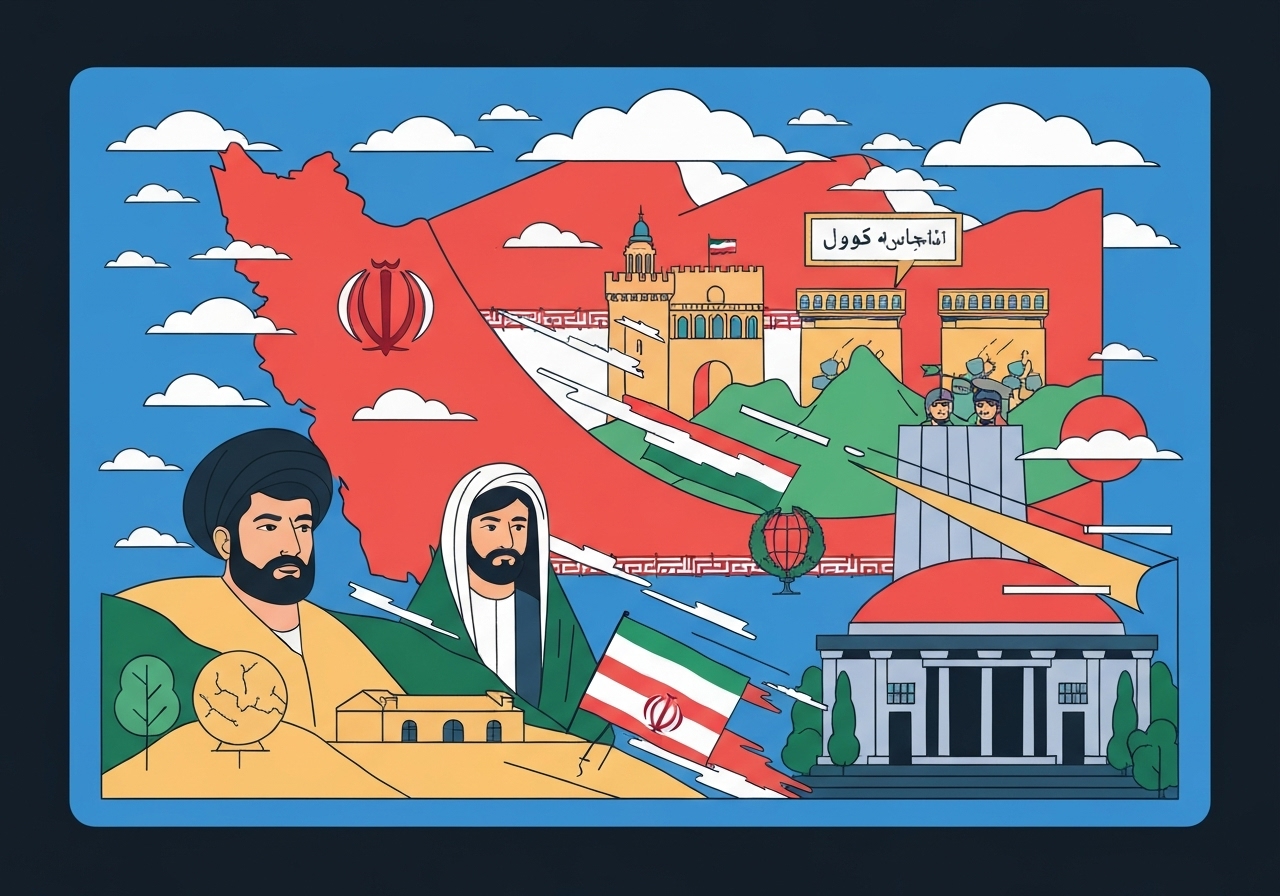
As of January 11, 2026, mass demonstrations that began roughly two weeks earlier have swollen across Iran, from Tehran to dozens of other cities in the nation of 90 million. Hundreds of thousands of people reportedly defied security threats and a harsh crackdown to take to the streets over the weekend. Regional and global leaders are weighing whether the Islamic Republic’s hold on power is at risk, and markets are watching for disruption to energy flows. U.S. President Donald Trump has publicly encouraged the protests and in recent days warned of possible strikes, raising questions about renewed U.S. pursuit of regime change.
Key Takeaways
- Protests that began about two weeks before January 11, 2026 have expanded nationwide, with reports of hundreds of thousands demonstrating in multiple cities.
- Iran’s population is roughly 90 million; unrest now reaches the capital Tehran and dozens of other urban centers.
- Security forces have mounted a severe crackdown; independent tallies of arrests, injuries and fatalities remain incomplete.
- President Donald Trump publicly expressed support for the demonstrators and has repeatedly threatened possible strikes, signaling a hawkish posture from Washington.
- Analysts warn a collapse or serious weakening of the Islamic Republic would reconfigure regional alliances and could produce shocks in global energy markets.
- Governments across the Middle East and beyond are assessing contingency plans for diplomatic, security and energy contingencies.
Background
Iran has a long history of public unrest that has periodically challenged the Islamic Republic since 1979. Large waves of protest—most notably in 2009 and again in 2019—tested the regime’s ability to contain dissent, and each episode produced a mix of concessions, repression and tight information control. The current demonstrations began roughly two weeks before January 11, 2026 and appear broader geographically and demographically than some earlier protests, drawing students, workers and middle-class citizens.
Key stakeholders include the Supreme Leader Ayatollah Ali Khamenei and Iran’s security apparatus, reformist and hardline political factions inside the country, regional powers such as Saudi Arabia and Israel, and global actors led by the United States. For decades Iran’s strategic posture combined state-controlled hydrocarbons exports, a network of regional proxies, and a strong domestic security presence—factors that shape both the government’s response and international calculations.
Main Event
The demonstrations intensified over a weekend when hundreds of thousands, by multiple accounts, mobilized despite warnings and forceful crackdowns by security forces. Protesters converged on central squares and key arteries in Tehran and spread to provincial capitals, generating scenes of mass defiance that security forces attempted to disperse. Communications restrictions and limited independent media access have made comprehensive reporting difficult, but large-scale street mobilization was reported across many urban centers.
Security responses have included arrests, crowd-control measures and the deployment of paramilitary units in hotspots. State media depicted the unrest as illegal and influenced by foreign actors, while authorities moved to control information flow and public gatherings. The depth and coordination of the security campaign varied by city, reflecting both local command decisions and national directives.
On the international front, U.S. President Donald Trump publicly cheered the protesters and issued warnings that included the possibility of military strikes. Those comments have reverberated across regional capitals, prompting emergency diplomacy and contingency planning among states that host large numbers of Iranian refugees or depend heavily on stable energy supplies.
Analysis & Implications
A significant erosion of regime control in Tehran would be a seismic event for Middle Eastern geopolitics. Iran’s state institutions underpin a network of alliances and proxy forces across Iraq, Syria, Lebanon and Yemen; a sudden change in Tehran’s posture could unsettle those arrangements and trigger both reactive military moves by regional rivals and a scramble to secure influence.
Economically, any sustained disruption to Iran’s ability to export oil or natural gas would ripple through global energy markets. Even if a full overthrow does not occur, prolonged unrest and sanctions risk squeezing supply lines, lifting prices and forcing buyers to reconfigure sourcing and strategic reserves. Energy-importing states and commodity markets are already pricing in greater uncertainty.
Domestically, the regime faces a dilemma: an escalated security crackdown may restore short-term order but deepen long-term grievances and international isolation, while concessions could fracture hardline cohesion and create openings for political challengers. The balance of forces inside Iran—between the Revolutionary Guard, clerical authorities, reformist elements and emergent civic networks—will shape the immediate trajectory and the feasibility of any negotiated transition.
Comparison & Data
| Item | Detail |
|---|---|
| Iran population | Approximately 90 million |
| Protest timing | Began ~2 weeks before Jan 11, 2026 |
| Reported scale | Hundreds of thousands across Tehran and dozens of cities |
The table above summarizes core, verifiable figures referenced in this report. Independent verification of casualty and arrest counts remains incomplete due to information constraints and state controls on reporting.
Reactions & Quotes
U.S. officials have publicly signaled support for demonstrators and warned Tehran about further violence, raising the specter of renewed direct pressure.
U.S. White House (press statements)
Iranian state outlets have described the unrest as illegal and attributed elements of the violence to foreign interference, urging security measures to restore order.
Iranian state media (official)
Human-rights organizations have called for restraint and independent monitoring, noting that confirmed casualty and detention figures are essential to assessing the human cost.
International NGOs (human-rights groups)
Unconfirmed
- That the current protests will lead to an immediate overthrow of the Islamic Republic; evidence of a definitive collapse remains absent.
- Direct, operational coordination between U.S. officials and protest leaders has not been substantiated with independent documentation.
- Comprehensive, independently verified totals for arrests, injuries and deaths across all cities remain unavailable due to restricted reporting and state communication controls.
Bottom Line
The unrest surging through Iran as of January 11, 2026 represents one of the most significant political challenges the Islamic Republic has faced in years. Hundreds of thousands have mobilized across a country of about 90 million, and the Kremlin-like cohesion of Iran’s security institutions will be tested in the weeks ahead. How hardliners, reformists and the IRGC respond internally will determine whether the crisis de-escalates, becomes a protracted contest, or produces a more profound political rupture.
Internationally, the stakes are high: a weakened Tehran would reshape regional balances, complicate proxy conflicts, and risk jolts to global energy markets. Policymakers and market participants should prepare for contingencies while pushing for verifiable, transparent information on humanitarian impacts and political developments.