
Lead
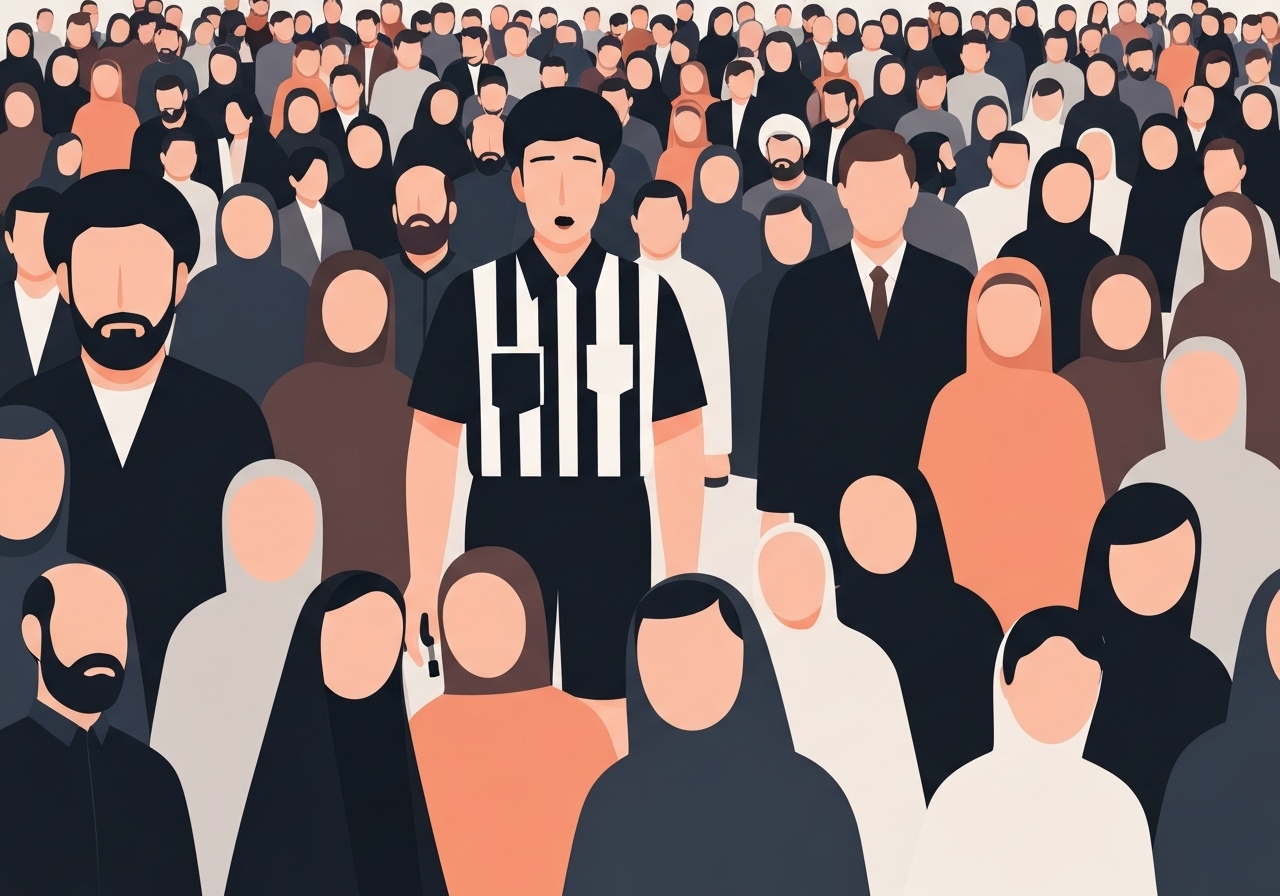
A local futsal coach and a university student are among hundreds reportedly killed during mass anti-government demonstrations that began on 28 December and have spread across Iran. Rights groups and local sources say violence intensified in early January, with live ammunition used in several cities and an internet blackout hampering independent verification. Human-rights monitors have counted nearly 500 protester fatalities and dozens of security-force deaths amid more than 10,000 arrests. Medical staff and local sources describe overwhelmed hospitals and morgues in multiple provinces.
Key takeaways
- Two named victims: 26-year-old coach and referee Amir Mohammad Koohkan was reportedly shot on 3 January in Neyriz, Fars Province.
- Student Rubina (Robina/Roubina) Aminian, 23, was reported killed during a Tehran protest on 8 January; rights groups say she was shot from behind or in the head.
- Human-rights monitors report roughly 496–500 protesters killed and 48 security personnel killed in about two weeks; HRANA reports about 10,600 arrests.
- Protests began 28 December over economic grievances in Tehran and have spread to 186 cities across all 31 provinces, according to HRANA.
- An internet shutdown imposed by authorities since Thursday has sharply limited independent reporting and verification inside Iran.
- Footage and hospital staff accounts show large numbers of dead and wounded; BBC Persian verified 70 bodies delivered to Poursina Hospital in Rasht on 9 January.
- Authorities and some officials have labeled protesters as “troublemakers,” while international leaders have issued warnings and threats of possible intervention.
Background
Mass demonstrations erupted in Tehran on 28 December, initially driven by economic frustration in the capital. Within days the unrest widened into a national movement touching every province, with human-rights monitors documenting protests in 186 cities. That geographic spread has turned local economic grievances into a broader political challenge aimed at the Islamic Republic and the office of Supreme Leader Ayatollah Ali Khamenei.
The current unrest follows a larger wave of protests in 2022 after the death in custody of Mahsa Amini; human-rights groups said more than 550 people were killed and about 20,000 detained then. Many of the same social and political grievances—economic hardship, demands for greater rights for women and broader political freedoms—are cited by participants in the 2024 demonstrations. State security forces have frequently faced accusations from rights NGOs of excessive use of force in such episodes.
Main event
Local sources told BBC Persian that on 3 January Amir Mohammad Koohkan, a 26-year-old futsal coach and referee from Neyriz in Fars Province, was struck by live ammunition during clashes. His friends described him as widely liked in his town; the account to BBC Persian came via witnesses at the scene rather than direct observation. Koohkan’s death is cited by locals as one example of civilian casualties in smaller cities outside Tehran.
On 8 January rights groups reported that 23-year-old Rubina Aminian, a Kurdish student studying textile and fashion at Shariati Technical and Vocational College in Tehran, was shot while participating in a demonstration. Norway-based Iran Human Rights and Kurdish group Hengaw said she was shot in the head; the Kurdistan Human Rights Network reported she was shot in the back. Family members reportedly had to search among hundreds of bodies near her college to identify her and say authorities delayed releasing her body and restricted mourning rituals.
Human-rights organisations and medical staff across several cities described overwhelmed hospitals and morgues. The BBC verified footage and accounts indicating large numbers of bodies arriving at medical facilities; one verified delivery showed 70 bodies at Poursina Hospital in Rasht on 9 January, and separate footage counted roughly 180 body bags at a morgue near Tehran on the same night. These local reports underpin NGO death-count estimates, though access limits complicate independent confirmation.
Analysis & implications
The rapid spread of demonstrations from an economic protest in Tehran to a nationwide political challenge reflects a convergence of grievances: longstanding economic pain, anger over governance, and renewed demands for social freedoms. If verified casualty and arrest figures are accurate, the scale of state repression would mark one of the deadliest short-term crackdowns in recent Iranian history and could harden domestic opposition.
Internationally, the mounting death toll has increased diplomatic pressure and rhetoric. US statements during the period included threats to consider strong options, while Iranian officials accused foreign adversaries of fomenting unrest. Such exchanges raise the risk of heightened geopolitical tension, but direct foreign intervention remains an uncertain and escalatory prospect.
Economically, sustained unrest and a heavy-handed response could deepen investor concern, disrupt local commerce, and further degrade public confidence in institutions already strained by sanctions and domestic policy challenges. Politically, a government response focused on security rather than dialogue is likely to prolong instability and may radicalize some opposition elements, complicating future reconciliation.
Comparison & data
| Metric | Reported figure | Source |
|---|---|---|
| Protester deaths (approx.) | 496–500 | HRANA / human-rights groups |
| Security personnel deaths | 48 | US-based rights group (reported) |
| Arrests | ~10,600 | HRANA |
| Cities affected | 186 (all 31 provinces) | HRANA |
The table aggregates NGO and monitoring-group tallies circulated in early January. Different organisations use different methods and access; HRANA collects reports from regional sources and local networks, while other NGOs compile open-source footage, hospital tallies and eyewitness testimony. Because Iran restricts independent reporting and has limited external monitoring, the figures represent best-available estimates rather than definitive counts.
Reactions & quotes
Government and foreign reactions have been sharply divided, with Iranian leadership denouncing protesters and some international actors warning of consequences. Below are sampled responses with context.
“They are troublemakers and must be dealt with,”
Supreme Leader Ayatollah Ali Khamenei (official statement)
This phrasing from Iran’s top office frames the unrest as a security issue and signals continued reliance on security forces to restore order. Officials using that language typically justify broad crackdowns and limit public space for dissent.
“We are considering very strong options,”
US President Donald Trump (public statement)
That comment reflects a confrontational international posture. While it raises diplomatic stakes, concrete military involvement would be politically fraught and risks rapid escalation; most responses from external governments to date are rhetorical and sanctions-based rather than military.
“She fought for things she knew were right,”
Rubina Aminian’s uncle (interview quoted to CNN)
Family testimony humanizes casualty figures and underscores the social drivers of protest participation—issues such as women’s rights and personal freedoms were repeatedly cited by relatives interviewed by international outlets.
Unconfirmed
- The exact number of deaths across Iran remains unverified by independent international monitors; NGO tallies are the best available estimates.
- Attribution of individual shootings to specific security units has not been independently confirmed in many cases cited by local sources.
- Details about the handling and burial restrictions of specific bodies have been reported by local sources and rights groups but are not universally corroborated.
Bottom line
The death of named individuals such as Amir Mohammad Koohkan and Rubina Aminian highlights the human cost of a rapidly expanding wave of protests that began on 28 December and has since reached all provinces. Rights groups report hundreds killed and more than 10,000 detained; an internet blackout and restricted media access mean those numbers are provisional but credible enough to mark a severe national crisis.
How the Iranian state responds next—whether through continued force, limited concessions, or new political measures—will shape the country’s domestic trajectory and its relations with external powers. For observers, the immediate priorities are independent verification of casualties, protection for civilians, and avenues for non-violent de-escalation to prevent further loss of life.