
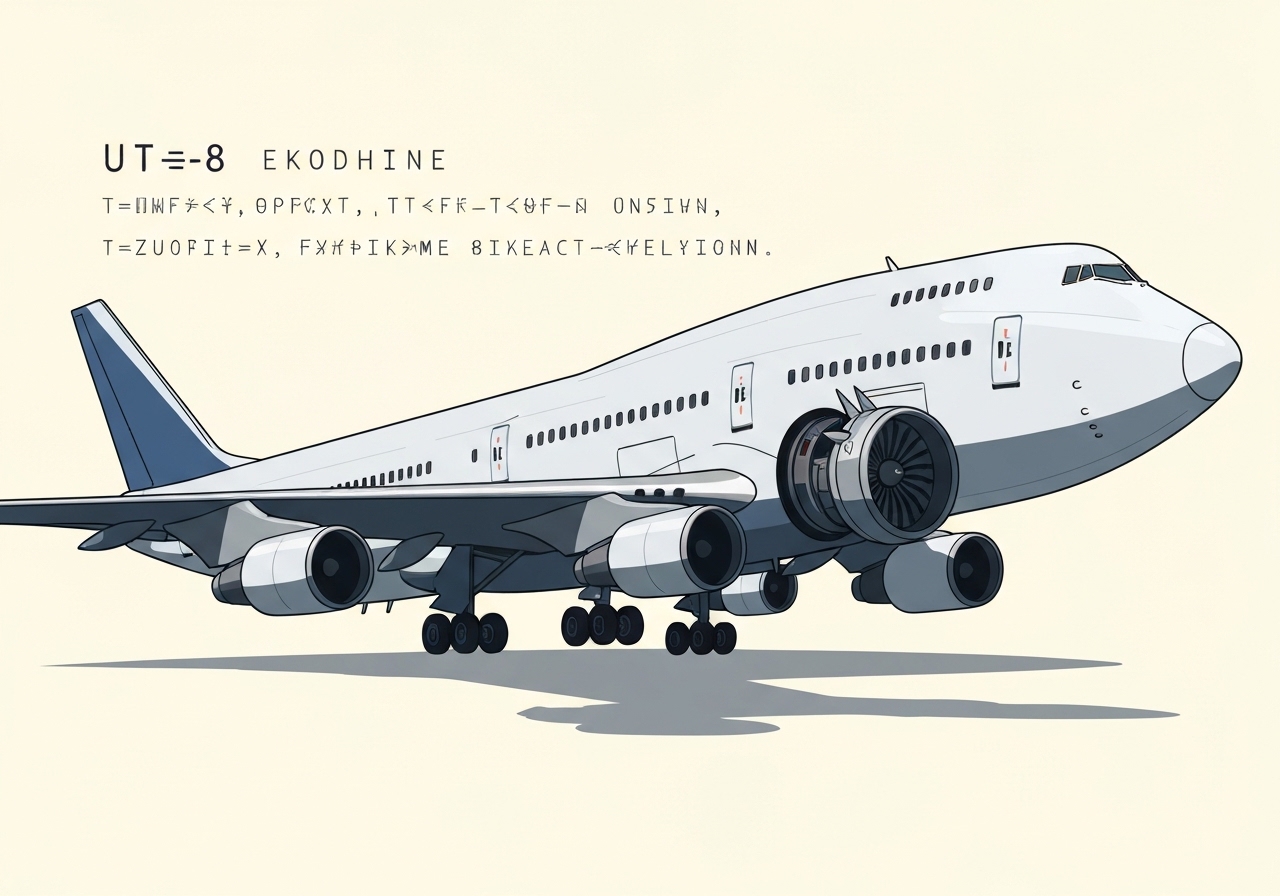
Lead: The National Transportation Safety Board said on Jan. 14, 2026 that an MD-11F cargo jet that crashed after takeoff from Louisville on Nov. 4 had a structural defect Boeing had previously assessed as not affecting flight safety. The UPS plane’s left engine experienced fractures in the assembly that may have contributed to its separation; similar fractures had occurred at least four other times on three different aircraft. The November accident killed 15 people—three crew members and 12 people on the ground—and the jet struck a cluster of buildings, including a petroleum recycling facility near Muhammad Ali International Airport.
Key Takeaways
- The NTSB reported on Jan. 14, 2026 that fractures were found in the left-engine attachment assembly of the MD-11F involved in the Nov. 4 Louisville crash.
- Those fractures had been observed at least four prior times across three different airplanes, according to a Boeing service letter issued in 2011.
- Boeing’s 2011 service letter stated the fractures “would not result in a safety of flight condition,” a finding cited by NTSB investigators.
- The aircraft, an MD-11F originally built by McDonnell Douglas (acquired by Boeing in the 1990s), caught fire shortly after takeoff and impacted several buildings.
- The crash resulted in 15 fatalities: three crew members and 12 people on the ground, and caused damage to industrial facilities adjacent to the airport.
- Boeing issued a brief statement saying it supports the NTSB investigation and offered condolences to victims’ families but did not directly address the report’s technical findings.
- The NTSB has not issued a final probable cause; investigators treat the fracture history as a significant factor under review.
Background
The airplane involved was an MD-11F freighter, a model produced by McDonnell Douglas before Boeing’s 1990s acquisition of the company. MD-11Fs remain in commercial freighter service despite being older-generation widebodies, and many operate under cargo carriers such as UPS. Airframe and component aging, operator maintenance practices and manufacturer guidance all shape how recurring part problems are found and addressed.
Manufacturers use service letters and service bulletins to notify operators about component concerns and recommended inspections or fixes. In 2011 Boeing issued a service letter that described fractures in the engine attachment assembly but concluded those cracks “would not result in a safety of flight condition,” language NTSB investigators highlighted in their report. The distinction between advisory language and mandatory corrective action often determines whether operators change inspection frequency or part replacement policies.
Main Event
On Nov. 4 the UPS MD-11F departed Louisville for Hawaii. Shortly after liftoff a fire was reported on the left engine and the aircraft lost control, striking multiple buildings near Muhammad Ali International Airport. Emergency responders found the jet had impacted a petroleum recycling facility and adjacent structures, producing a large conflagration on the airport’s perimeter.
All three crew members on board were killed. Initial on-site reports indicated numerous ground casualties; investigators later confirmed a total of 12 people on the ground died from the incident or related injuries, bringing the death toll to 15. Local emergency agencies and federal investigators secured the scene and began wreckage and systems examinations immediately following the accident.
In its Jan. 14 update the NTSB reported that investigators discovered fractures in the structure that helped secure the left engine to the wing. The board said those fractures had appeared similar to cracks documented in Boeing’s 2011 service letter and that identical part failures had been recorded in at least four prior instances on three separate aircraft.
Boeing issued a public statement saying it supports the NTSB’s work and expressed condolences to the families of victims. The statement did not directly dispute or expand on the NTSB’s description of the 2011 service letter; Boeing has faced heightened scrutiny over quality-control and production issues in recent years but did not address those broader concerns in the statement.
Analysis & Implications
The NTSB’s description of prior fractures raises questions about the threshold at which manufacturer advisories become operational imperatives. A service letter that classifies a recurring fracture pattern as non-safety-critical may influence operator maintenance choices, inspection intervals and parts-replacement priorities. If operators followed Boeing’s guidance, inspections or retrofits that could have detected progressive cracking may not have been prioritized.
From a regulatory perspective, the case highlights the boundary between advisory guidance and mandatory directives. The Federal Aviation Administration and other regulators typically rely on risk assessments and fleet data when deciding whether to elevate a service communication into an airworthiness directive. An accumulation of similar incidents—four prior fractures on three airframes—could prompt re-evaluation of that threshold and lead to more prescriptive oversight.
Legally and politically, a finding that the manufacturer knew of repeated fractures could spur litigation and congressional interest, particularly given the severe loss of life and the public visibility of the crash. For operators and lessors, the event may increase liability and insurance pressures and encourage more aggressive inspection regimes for older fleet types like the MD-11F.
Operationally, cargo carriers and maintenance organizations may reassess inspection schedules and consider structural retrofits or part redesigns for legacy aircraft with documented recurring failures. The broader aviation community will watch whether the NTSB’s final report leads to immediate service bulletins, airworthiness directives, or industry-wide inspection campaigns.
Comparison & Data
| Item | Reported Count | Notes |
|---|---|---|
| Prior fractures cited | At least 4 | Occurred on three different airplanes (per NTSB summary of Boeing 2011 service letter) |
| Victims | 15 | 3 crew, 12 ground fatalities |
The table summarizes the specific numeric details the NTSB highlighted: at least four prior similar fractures and the confirmed death toll of 15. These figures frame the board’s attention to a recurrent hardware problem and the grave human cost of the accident. While the board has not yet named a final probable cause, the recurrence count is a central data point in decisions about fleet-level action.
Reactions & Quotes
“The service letter indicated such fractures ‘would not result in a safety of flight condition.'”
NTSB investigators (report language)
“We support the N.T.S.B.’s investigation and express our condolences to the families of the victims,”
Boeing spokesperson (company statement)
Both excerpts were cited by investigators and reported by news outlets. The NTSB passage underlines the technical wording that shaped Boeing’s earlier risk assessment; the Boeing excerpt reflects the company’s public posture of cooperation while not addressing the substance of the report in detail.
Unconfirmed
- Whether the engine-attachment fractures were the primary and sole cause of the Nov. 4 crash remains under investigation; the NTSB has not issued a final probable cause.
- It is not publicly confirmed how many operators altered maintenance practices after Boeing’s 2011 service letter or whether those decisions affected inspection coverage on the accident aircraft.
Bottom Line
The NTSB’s report raises significant concerns about a documented pattern of fractures in an engine-attachment assembly and about how Boeing characterized that risk in 2011. The board’s emphasis on prior similar failures changes the public and regulatory conversation from an isolated accident to a potential fleet-level structural issue needing systematic response.
Expect follow-on actions: regulators could mandate inspections or design changes, operators may tighten maintenance protocols on MD-11Fs and comparable legacy types, and litigation or oversight hearings are possible given the fatalities and the manufacturer’s earlier assessment. The NTSB’s final probable cause and any regulatory responses will determine the concrete next steps for safety and accountability.
Sources
- The New York Times (U.S. news report summarizing NTSB findings)
- National Transportation Safety Board (official investigation body)
- Boeing (manufacturer statement/press releases)