
Lead
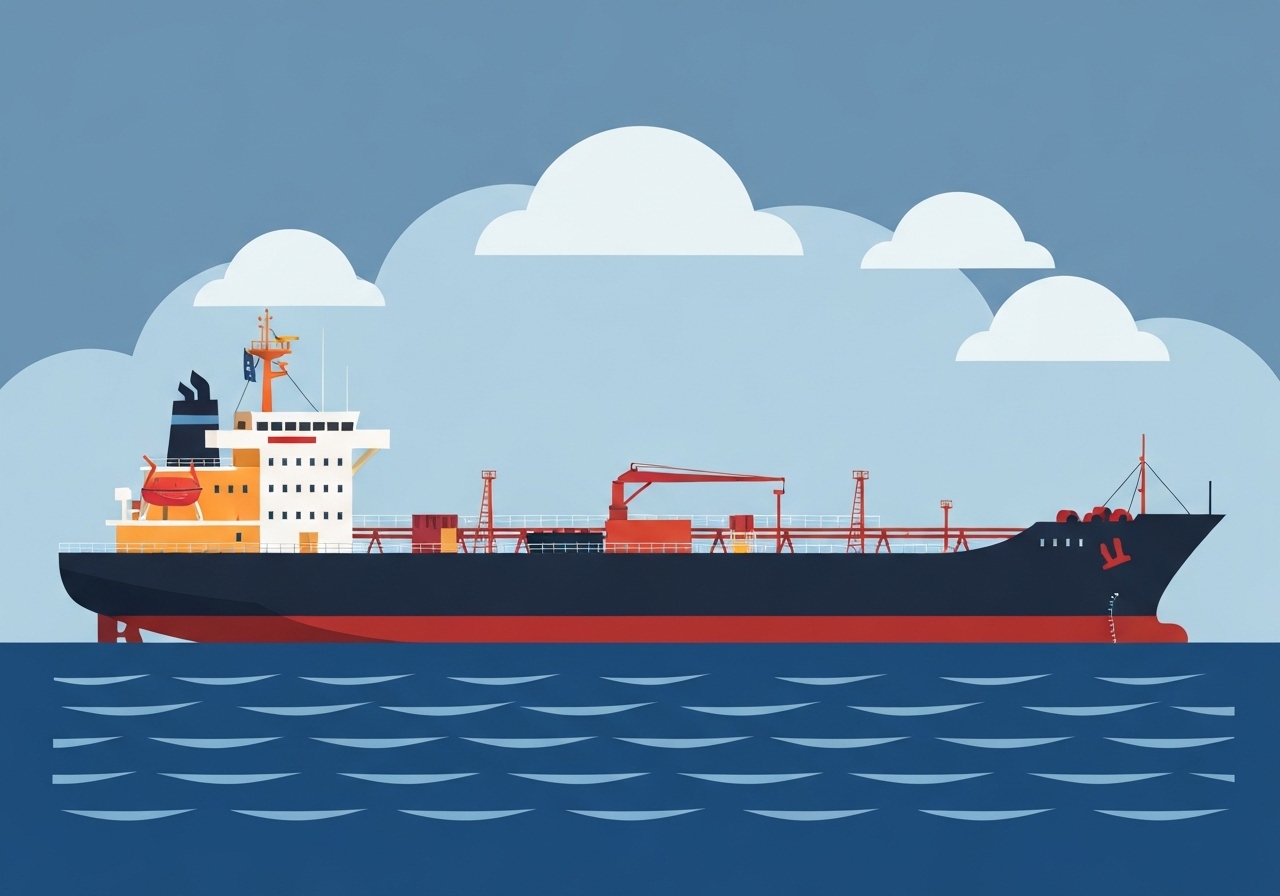
US Southern Command released video showing American personnel boarding a tanker identified as Veronica in Caribbean waters on Wednesday, a move the White House says enforces sanctions. The operation is the sixth US seizure of a Venezuela-linked tanker since 10 December 2025, following the earlier apprehension of the vessel Skipper. US and maritime analysts say the interdictions are already affecting crude flows from Venezuela to major buyers. The action forms part of a broader day of verified multimedia reporting that included deadly crane collapses in Thailand and footage from protests and strikes across several regions.
Key takeaways
- The US military published footage of forces boarding a tanker named Veronica; officials assert the ship was breaching US sanctions on Venezuelan oil.
- This marks the sixth tanker seized by US forces since 10 December 2025, after the earlier capture of the Skipper.
- Energy analysts at Vortexa say recent seizures have reduced Venezuelan crude departures to China; Reuters-reported internal Venezuelan documents show China averaged about 642,000 barrels per day of Venezuelan crude and fuel oil in 2025.
- BBC Verify reporting that same day also confirmed a second deadly crane collapse in the Bangkok suburbs that killed two people; a separate earlier collapse in north-eastern Thailand left 32 dead.
- Other verified items that day included a substation fire causing blackouts in Orsk (Orenburg region), a reported strike in Belgorod region, videos of Iran protests despite an internet blackout, and a verified police shooting video from Hong Kong.
- Data updates published the same day show 171 small‑boat Channel crossings this week (203 so far this year) and an NHS elective waiting list in England of 7.3 million in November.
Background
Since late 2025 the United States has stepped up maritime enforcement aimed at vessels it says are transporting, loading or otherwise aiding evasion of sanctions on Venezuela’s oil sector. Washington has repeatedly warned that it will interdict ships suspected of enabling sanctioned shipments; the recent seizures are a visible escalation of those warnings. Venezuela’s state oil company — according to reporting by Reuters — continued to send significant volumes of crude and fuel oil to buyers such as China through 2025, creating complex routes and ownership structures that US officials say are intended to evade restrictions.
Maritime interdictions require cooperation between naval assets, intelligence collection and legal review. Seizures at sea are costly and risky: boarding parties must establish control while preserving evidence for prosecutions or sanctions enforcement. Shipping firms, insurers and charterers respond by recalibrating routes, operating practices and the use of flags and nominees, which can slow or divert flows of sanctioned cargo.
Main event
Southern Command released a video it says shows US personnel boarding the tanker Veronica in Caribbean waters on Wednesday. BBC Verify matched the vessel seen in the military footage with publicly available images to support the identification. US officials told reporters the measure targeted a ship they allege was operating in defiance of US sanctions on Venezuelan oil shipments.
The seizure follows five earlier interdictions since 10 December 2025, when the vessel Skipper was detained. US authorities have not publicly disclosed the full evidentiary record for each case; legal and operational statements have focused on halting what the administration describes as sanctioned‑related commerce. Maritime experts contacted by BBC Verify said the cumulative effect has been to deter some owners and charterers from deploying tankers in the region.
Analysts at energy intelligence firm Vortexa (Emma Li, China oil market analyst) said the seizures have prompted several cancellations of China‑bound loadings and increased caution among Chinese owners over operations in the Caribbean and nearby waters. Reuters reporting of internal Venezuelan documents indicates China received an average of 642,000 barrels per day of Venezuelan crude and fuel oil in 2025 — a flow that would be sensitive to enforcement shifts.
Alongside the tanker story, BBC Verify spent the day confirming related footage and incidents: two construction crane collapses in Thailand in roughly 24 hours (one killing 32 people earlier and a second killing two), CCTV and local social media material from a substation fire causing blackouts in Orsk, and aerial footage of a building strike in Belgorod near the Ukraine border.
Analysis & implications
Operationally, repeated seizures signal an intent by the US to make maritime sanction evasion costlier and more visible. That visibility raises commercial and legal risk for vessels, owners and insurers who might previously have judged evasion tactics economically tolerable. Over time, these risks can depress the volume of sanctioned shipments or push trade into slower, more convoluted routes that raise costs and reduce cargo reliability.
For buyers such as China, the immediate effect is caution: charterers may delay loadings or require additional assurances, and owners may decline voyages that bring vessels near interdiction zones. That dynamic can create short windows of reduced supply for specific crude grades, but global oil markets are also influenced by broader production and inventory trends, so the price effects may be muted or transient unless seizures scale up dramatically.
Politically, the interdictions tighten pressure on Venezuela’s government by constraining one of its principal revenue streams. Yet enforcement at sea can complicate relations with third‑party states and commercial actors who argue for maritime freedom and legal clarity. Diplomatically, Washington will need to balance unilateral enforcement with efforts to coordinate with allies and to present transparent legal bases for seizures to minimize accusations of overreach.
Legally, the long‑term effect depends on prosecutions, asset forfeitures and judicial findings. If US courts and international partners validate the legal rationale for seizures, the measures will gain deterrent force; if not, affected parties could pursue litigation or diplomatic remedies that blunt the policy’s practical reach.
Comparison & data
| Metric | Value / Note |
|---|---|
| Seized Venezuela‑linked tankers (since 10 Dec 2025) | 6 vessels |
| Average Venezuelan exports to China (2025) | ~642,000 barrels per day (Reuters‑reported internal documents) |
| Small boat Channel crossings (this week) | 171 people in 3 boats; 203 so far this year |
| NHS elective waiting list (England, Nov) | 7.3 million patients |
The table places the tanker seizures in context alongside other verified data points published that day. The seizure count is cumulative and operational; export volumes reflect 2025 averages cited in reporting and will vary month to month. Migration and health data illustrate how the same verification workflows covered distinct beats during the day.
Reactions & quotes
“Recent tanker seizures have significantly curtailed Venezuelan crude departures to China, triggering several cancellations of China‑bound loadings,”
Emma Li, Vortexa (energy market analyst)
Vortexa provided market analysis indicating that seizures have already altered commercial behaviour, particularly around China‑bound shipments.
“The operation demonstrates ongoing enforcement of US sanctions at sea,”
US Southern Command (official statement)
Southern Command’s release framed the boarding as part of sanctions enforcement; the military video was used to substantiate the claim publicly.
“We will check remaining cranes to ensure they are safe,”
Local eyewitness via BBC Verify (traveller on scene in Thailand)
Eyewitness video and testimony helped verify the Bangkok suburb crane collapse and informed local reporting on casualties and immediate traffic disruption.
Unconfirmed
- Reports claiming 20 Russian soldiers were inside the Belgorod building at the time of the strike remain unverified by independent sources.
- Precise causal details of the Orsk substation fire — whether accidental, technical fault or attack — have not been confirmed.
- Some social media videos attributed to recent Iran protests have timestamps or upload dates that cannot conclusively prove when they were filmed due to internet blackout constraints.
Bottom line
The US seizure of the tanker identified as Veronica is the latest in a series of interdictions aimed at disrupting mechanisms used to ship Venezuelan crude under sanctions. Operationally it increases compliance and commercial risk for actors involved in sanctioned cargo movements and has prompted immediate market caution, particularly among vessels and owners servicing China‑bound loadings.
Beyond the energy market, the day’s verification work illustrates how open‑source investigation—video matching, satellite imagery and on‑the‑ground eyewitness material—can corroborate or disprove fast‑moving claims across conflict, infrastructure accidents and migration. Readers should treat some operational claims as provisional until full legal and investigative records are published.
Sources
- BBC Live: Verify Live briefing (media — live verification summary)
- Reuters reporting on Venezuelan exports (news agency — reported internal documents)
- US Southern Command media releases (official — military statement and video)
- Vortexa (industry — energy market intelligence)
- MarineTraffic (commercial — ship tracking)
- NHS England data (official — waiting list statistics)