
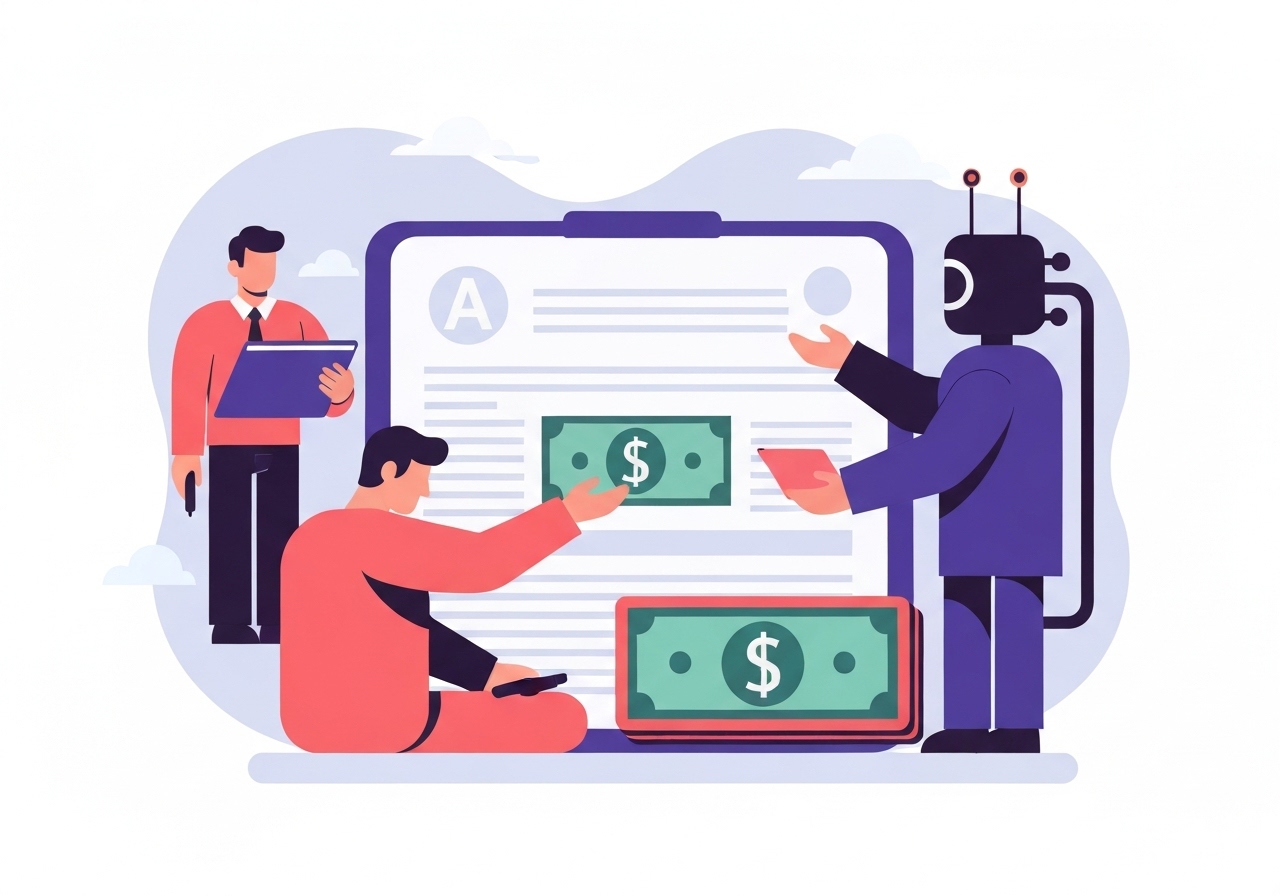
Lead: On Sept. 5, 2025, Anthropic agreed to a $1.5 billion settlement with a class of authors who sued the company over use of copyrighted books to train its Claude models; the deal, which the U.S. district court in San Francisco will review next week, would pay roughly $3,000 per each of an estimated 500,000 covered works if approved.
Key takeaways
- Anthropic reached a $1.5 billion settlement with authors who accused the company of using copyrighted books without permission to train its AI.
- If approved by the court, authors would receive about $3,000 for each of roughly 500,000 works included in the class.
- U.S. Senior District Judge William H. Alsup previously held that using lawfully obtained books for training can be fair use, but using pirated copies was not.
- The judge found Anthropic had ingested material from pirated repositories, a claim that had been set for trial on damages and willfulness before the parties settled.
- The settlement motion calls this one of the largest publicly reported copyright recoveries and frames the deal as a step toward licensed training data for AI.
- Anthropic recently closed a $13 billion funding round valuing the company at about $183 billion, a factor cited in discussions about its ability to pay.
Verified facts
The underlying class action, filed in 2024 by authors including Andrea Bartz, Charles Graeber and Kirk Wallace Johnson, alleged that Anthropic used millions of digitized copyrighted books to train Claude. Plaintiffs asserted the company relied in part on scraped repositories such as Library Genesis and similar mirrors to build a central training library.
In June, Judge William Alsup issued a split ruling: he concluded that Anthropic’s use of books it lawfully obtained to train its models was a transformative fair use, but he also found that the use of millions of pirated copies was not protected and ordered a trial to determine damages and possible willfulness for that portion of the case.
U.S. copyright law allows statutory damages up to $150,000 per infringed work for willful violation. The judge’s earlier order noted Anthropic had reportedly ingested over 7 million copies from pirated sources, a fact that raised the prospect of very large damages had the case proceeded to trial.
The settlement motion filed by the parties describes the agreement as providing meaningful compensation to class members and as the largest publicly reported recovery of its kind. The motion asks the court in San Francisco to approve the pact at an upcoming hearing.
Context & impact
Legal teams and industry observers say the case represents an inflection point for how copyright law applies to generative AI training. The decision that lawfully acquired books can be used for model training, while pirated copies cannot, draws a line many expect will steer companies toward licensing or legally obtained datasets.
Practitioners and advocates differ on scope. Some see the settlement as encouraging a market-based licensing regime for training data; others warn it may not resolve ongoing disputes in other jurisdictions or in cases with different facts.
Publishers, authors and rights groups hailed the settlement as a win for creators and a warning that scraping pirated sources carries legal risk. AI developers and some legal analysts note companies can continue model training provided they obtain or license material through lawful channels.
Official statements
“Today’s settlement, if approved, will resolve the plaintiffs’ remaining legacy claims,” said Aparna Sridhar, Anthropic’s deputy general counsel.
Aparna Sridhar / Anthropic
“This landmark settlement is the first of its kind in the AI era. It will provide meaningful compensation for each class work and sets a precedent requiring AI companies to pay copyright owners,” said Justin Nelson, an attorney for the authors.
Justin Nelson / Plaintiffs’ counsel
“We expect the settlement will lead to more licensing that gives authors compensation and control over how their work is used by AI companies,” said Mary Rasenberger of the Authors Guild.
Mary Rasenberger / Authors Guild
Unconfirmed
- How the settlement funds will be distributed to individual authors and any eligibility criteria beyond the estimated 500,000 covered works await court filings and administrator details.
- Whether this settlement will directly change outcomes in other ongoing lawsuits with different facts or judges remains unresolved until additional rulings or agreements appear.
Bottom line
The $1.5 billion deal, if approved, signals that major AI developers may need to license creative works or otherwise secure lawful copies for training at scale. The settlement also follows Judge Alsup’s narrower legal finding that lawfully obtained books can be used for training while pirated repositories pose exposure.
Beyond immediate payouts, the case may accelerate market and legal moves toward clearer licensing frameworks for training data, though questions about implementation and wider legal effects remain.