
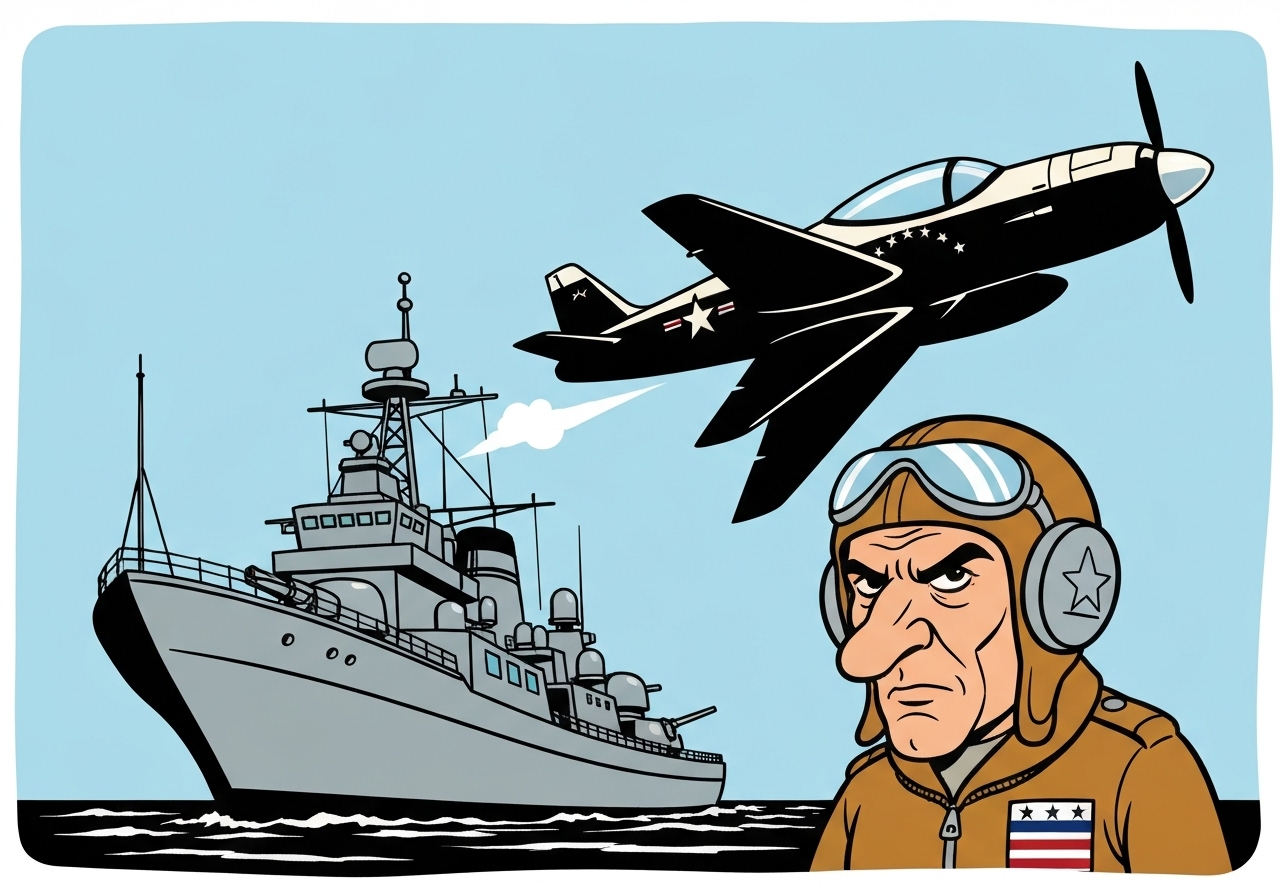
On 6 September 2025, President Donald Trump warned that Venezuelan military aircraft that put US naval vessels in danger would be shot down, after reports that Venezuelan jets flew close to a US ship off South America and following a US strike that killed 11 people aboard a vessel US officials described as drug‑carrying.
Key Takeaways
- President Trump publicly warned Venezuelan jets could be shot down if they endanger US ships.
- US officials reported Venezuelan aircraft flew near a US vessel off South America for a second consecutive day.
- A recent US strike on a vessel said to be linked to drug trafficking killed 11 people, according to US authorities.
- The White House is reinforcing its Caribbean posture, including sending 10 F-35 fighters to Puerto Rico and deploying additional ships and thousands of marines and sailors.
- Venezuelan President Nicolás Maduro denied US allegations and rejected military escalation, calling for dialogue and respect.
- Trump has accused Maduro of involvement in drug trafficking and increased a reward for information leading to Maduro’s arrest to 50 million dollars.
- The US has previously charged Maduro and other Venezuelan officials with drug and related offences.
Verified Facts
President Trump made the warning in remarks on 6 September 2025, saying Venezuelan jets that fly over US naval vessels and create a dangerous situation would be shot down. The comment followed US accounts that Venezuelan military aircraft made two close approaches to a US ship operating off the coast of South America.
US officials also reported a strike on what they described as a Venezuela-linked, drug-carrying vessel; US sources said 11 people were killed in that action. The US military has been increasing its presence in the southern Caribbean in response to trafficking concerns.
The White House announced a deployment that includes 10 F-35 fighter jets sent to Puerto Rico, as well as additional naval assets and several thousand marines and sailors intended to disrupt maritime drug flows to the United States.
President Nicolás Maduro has publicly rejected US accusations about his government and the origin of the vessel, saying the claims are false and that tensions do not justify military confrontation. Maduro was sworn in for a third term in January after an election widely described as contested.
Context & Impact
The remarks come amid a stepped-up US campaign against drug trafficking in Latin America since Trump returned to office earlier in 2025. Officials say maritime interdiction and an increased military footprint are aimed at reducing fentanyl and other narcotics reaching US shores.
Trump has repeatedly targeted Maduro, alleging ties to organised trafficking and naming him among the most significant narco-traffickers; in August the US doubled a reward to 50 million dollars for information leading to Maduro’s arrest. The US has brought charges against Maduro and senior officials in past administrations.
Venezuela views these moves as pressure aimed at regime change. Maduro and other Venezuelan leaders have called for diplomatic engagement and warned against escalation. Regional governments and international partners may face pressure to mediate if tensions continue to rise.
Operationally, greater US naval and air assets in the Caribbean increase the chance of close encounters between US and Venezuelan forces, raising risks of miscalculation at sea and in the air.
Official Statements
We will not tolerate actions that put our ships and sailors in danger, and we will act decisively to defend them.
President Donald Trump
Allegations linking Venezuela to the recent strike are false; differences do not justify military conflict.
President Nicolás Maduro
Unconfirmed
- The precise intent and proximity of the Venezuelan aircraft during the reported passes have not been independently verified.
- The origin and operational control of the vessel struck by US forces, described by US officials as Venezuela-linked, remain disputed by Venezuelan authorities.
- Claims about the scale of Tren de Aragua’s presence inside Venezuelan state structures are asserted by US officials but not fully corroborated in open sources.
Bottom Line
The situation marks a notable escalation in rhetoric and posture between Washington and Caracas. The US has signaled readiness to use force to protect naval assets, while Venezuela rejects the allegations and urges dialogue. Continued deployments and interdictions may disrupt trafficking but also raise the risk of accidental confrontation; diplomatic channels and independent verification will be critical to prevent further escalation.