
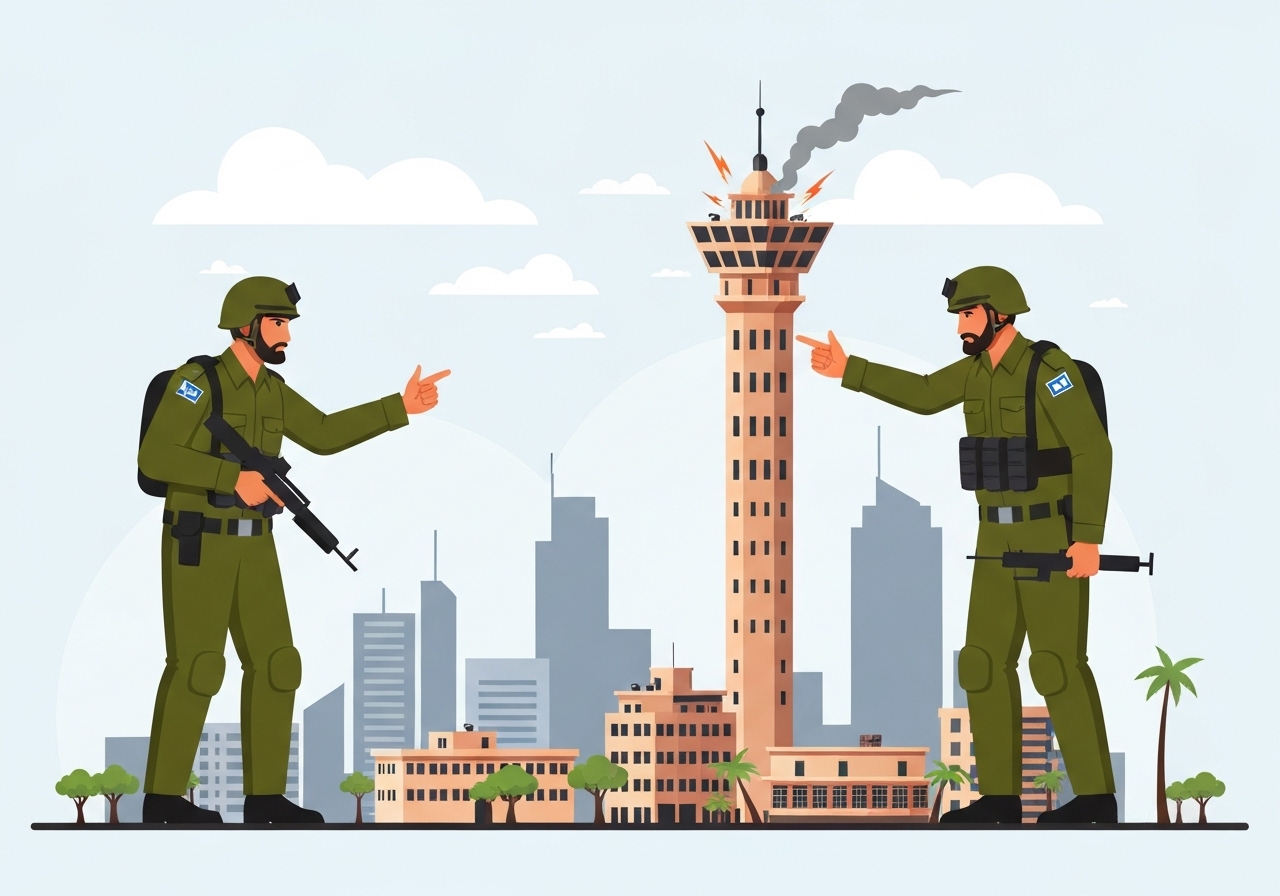
On Sept. 6, 2025, the Israeli military instructed residents of Gaza City to move south toward Khan Younis and struck a multi-storey tower as its forces pressed deeper into the enclave’s largest urban area, actions that contributed to further displacement and reports of civilian deaths.
Key Takeaways
- Israel ordered civilians in parts of Gaza City to evacuate on Sept. 6 and directed them toward a designated area in Khan Younis.
- The military said it hit a high-rise it identified as being used by Hamas; Palestinians and Gaza health officials reported the building sheltered displaced people.
- Gazan health authorities reported at least 23 deaths on Sept. 6, including at least 13 in the Gaza City area.
- Israeli officials say their forces now control about 75% of Gaza and nearly half of Gaza City; the operation was ordered by Prime Minister Benjamin Netanyahu.
- Humanitarian groups, including Amnesty International, warned the assault risks mass displacement and civilian harm.
- The conflict remains tied to the Oct. 7, 2023 hostage crisis; 251 people were taken then and 48 remain captive, Israeli officials say.
Verified Facts
The Israeli military issued evacuation warnings to residents in specific Gaza City neighborhoods on Sept. 6, publicly urging civilians to move south to a coastal area of Khan Younis it designated as a humanitarian zone. Military spokespeople said those who relocate would be able to access food, medical care and shelter there.
Shortly after the evacuation notices, the military struck a multi-storey tower in Gaza City that officials asserted was being used by Hamas. Defence Minister Israel Katz posted footage appearing to show the building’s collapse; the military said civilians had been warned in advance. It was not immediately clear whether the strike caused casualties.
Gaza health authorities reported at least 23 deaths across the territory on Sept. 6, with at least 13 fatalities in and around Gaza City. Local officials place the total number of Palestinians killed in Gaza since Oct. 2023 at more than 64,000.
Israeli leaders have said the capture of Gaza City is a central objective. Prime Minister Benjamin Netanyahu ordered the operation despite reported reservations from some military leaders; the armed forces have mobilized tens of thousands of reservists to support the push.
Context & Impact
The offensive risks displacing hundreds of thousands of people sheltering in Gaza City. Before the war, roughly one million people lived there — nearly half of Gaza’s population — and many who had previously been displaced had returned to the city only to face fresh displacement again.
Humanitarian agencies warn that continued urban fighting and strikes on densely populated areas will deepen an already severe crisis. Amnesty International called for a halt to the offensive on Gaza City, saying homes had been destroyed and numerous civilians killed in recent days.
The operation comes amid continuing negotiations over hostages taken on Oct. 7, 2023, when Palestinian militants abducted 251 people into Gaza. Israeli officials say 48 remain captive and estimate some 20 are still alive. Hamas has offered phased releases tied to ceasefire terms in past talks.
Official Statements
“Residents were told to head to a designated humanitarian area where food, medical care and shelter would be provided,”
Israeli military spokesperson Avichay Adraee (posted on X)
Unconfirmed
- Independent verification that the targeted tower was used by Hamas for command, intelligence or weapons storage. The Israeli military made the claim but did not publicly release evidence at the time of reporting.
- Precise casualty figures resulting directly from the Sept. 6 high-rise strike; confirmations were pending from independent monitors.
- Reports that all civilians in the designated Khan Younis zone would reliably receive comprehensive aid; delivery and capacity have varied in past displacements.
Bottom Line
The Sept. 6 evacuation order and strike on a Gaza City tower mark an intensification of Israel’s campaign to seize the city’s northern and suburban areas. The moves could displace large numbers of civilians, worsen humanitarian conditions and complicate diplomatic efforts tied to hostage negotiations and ceasefire proposals.