
Lead
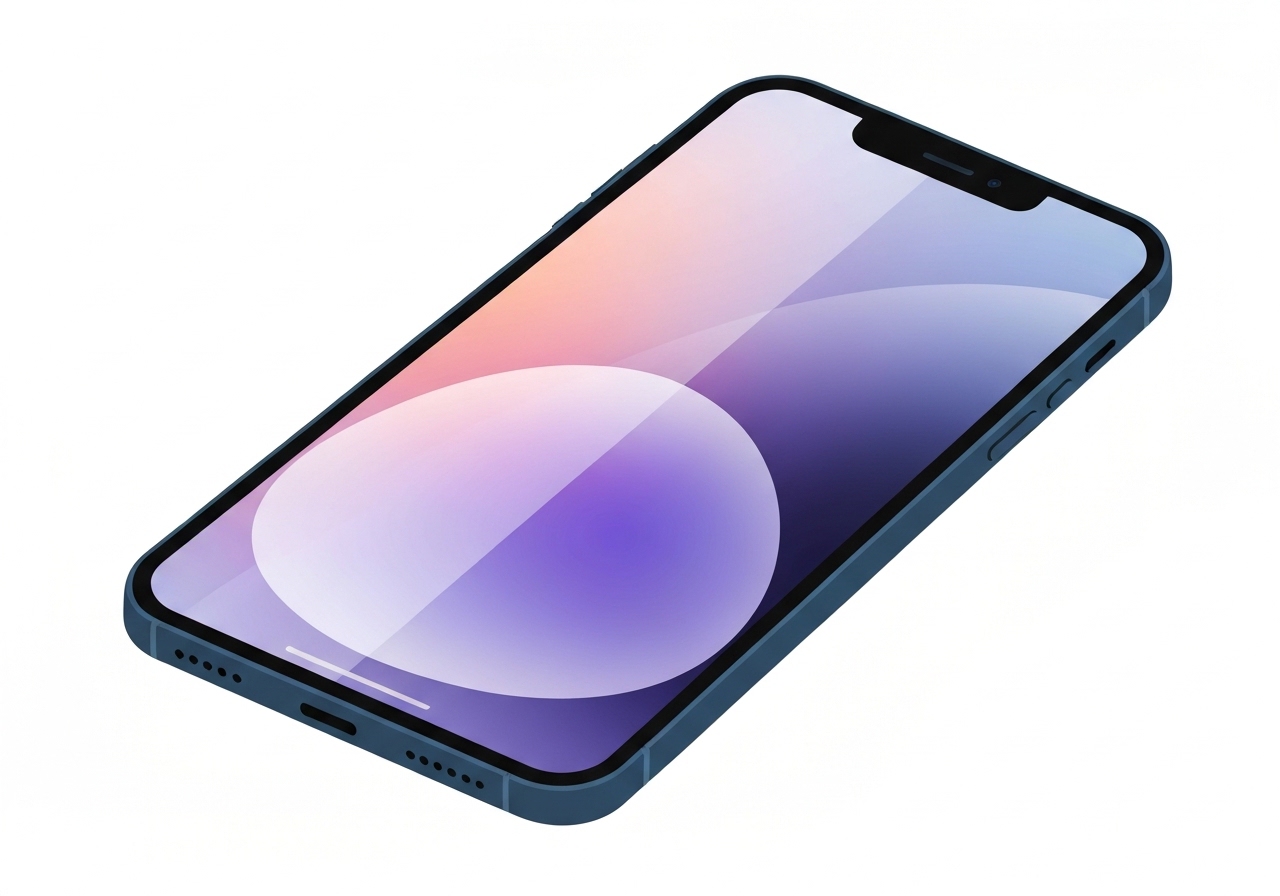
Apple’s next Pro iPhone line is set for its most visible screen change in years, sources say, with a notably smaller Dynamic Island and brighter displays hinted across the 2026 iPhone 18 family. Leaks posted and aggregated on Jan. 26, 2026 indicate the Dynamic Island cutout on the iPhone 18 Pro and Pro Max could shrink by roughly 35%, while panel suppliers and tech outlets report higher brightness targets and potential under‑panel Face ID advances. The shifts would mark a design pivot that affects how the phone looks at a glance and how the display performs in bright light. Apple has not publicly confirmed these changes.
Key Takeaways
- The Dynamic Island cutout on the iPhone 18 Pro and iPhone 18 Pro Max is reported to drop from 20.76 mm to 13.49 mm, a reduction of about 35% (Ice Universe/X, Jan. 2026).
- Reports indicate Apple may hide some Face ID components under the display, explaining the smaller cutout but stopping short of full under‑display Face ID confirmation.
- Leakers and trade reports suggest the iPhone 18 family will push brighter panels than the iPhone 17 series, which currently lists 1,000 nits typical, 1,600 nits peak (HDR) and 3,000 nits peak outdoor brightness.
- A Chinese supplier (BOE) reportedly warned it faces difficulty meeting Apple’s stricter brightness specifications for iPhone 18 panels (Instant Digital via MacRumors).
- Separate reporting says the iPhone 18 Pro Max may adopt Samsung’s LTPO Plus technology, promising brighter visuals and improved energy efficiency (GeekyGadgets).
- Speculative system changes include an A20 Pro chip built on a 2nm process and possible use of an Apple C‑Series modem, but those hardware transitions remain unconfirmed.
- The rumored design updates are expected to be limited to Pro models; the standard iPhone 18 — and possibly a later iPhone Air 2 — may not receive the smaller Dynamic Island at launch.
Background
The Dynamic Island first appeared on the iPhone 14 Pro in September 2022 as Apple’s replacement for the larger notch used since the iPhone X. It has been a consistent visual element on Apple’s Pro line, integrating system indicators and notifications around a pill‑shaped cutout. Since its debut, Apple has adjusted display sizes and refresh technologies, but the island’s overall footprint remained essentially unchanged until these recent leaks.
Apple’s display roadmap has trended toward brighter, more power‑efficient panels. The iPhone 17 introduced the Super Retina XDR to the regular model, matching many Pro display characteristics: 1,000 nits typical brightness, 1,600 nits peak in HDR, and up to 3,000 nits peak for outdoor viewing. Vendors like Samsung and BOE are key parts of Apple’s supply chain; any new brightness targets raise engineering and yield challenges for those suppliers.
Main Event
On Jan. 26, 2026 a prolific leaker known as Ice Universe posted measurements indicating the Dynamic Island’s width would be reduced from 20.76 mm to 13.49 mm on the iPhone 18 Pro and Pro Max. That change—roughly a one‑third reduction—would be immediately visible and alter the front‑face silhouette Apple has used for several generations. The narrower cutout could change how notifications and status elements are displayed and give the Pro models a cleaner top edge.
Parallel reports from China’s supply chain and global tech outlets suggest Apple is pressing for higher peak and sustained brightness. Instant Digital (as relayed by MacRumors) reported BOE has “little hope” of meeting Apple’s brightness targets for early iPhone 18 panels, implying Apple’s specifications are materially above current mass‑production thresholds. If true, that would reinforce expectations that Apple wants the iPhone 18 to outshine prior models in outdoor visibility.
GeekyGadgets and other sources add that the iPhone 18 Pro Max may receive Samsung’s LTPO Plus panels, which are said to offer both higher brightness and better energy efficiency than prior LTPO generations. Combined with an A20 Pro chip reportedly using a 2nm process and potential modem changes, the overall system would aim to balance brighter displays with battery life maintenance.
Analysis & Implications
Visually reducing the Dynamic Island by ~35% is significant even if Apple stops short of a fully circular camera hole or fully under‑display sensors. A smaller cutout changes the product’s identity at a glance, which matters in a market where incremental design differences are a selling point. Pro models are positioned to remain the showcase devices for such aesthetic and technological advances.
Higher brightness targets have both user‑facing and supply‑chain consequences. For consumers, brighter panels improve outdoor legibility and HDR impact; for suppliers, they increase demands on panel architecture, backlight/mini‑LED tuning (where used), and yield control. That BOE might struggle indicates Apple’s targets could force a multi‑vendor sourcing strategy or phased roll‑out to prioritize specific SKUs (e.g., Pro Max first).
Adoption of LTPO Plus and a 2nm A20 Pro would signal Apple doubling down on power efficiency to offset the energy cost of brighter panels and more demanding displays. If an Apple C‑Series modem arrives, it would mark another step toward vertical integration in Apple’s baseband strategy—affecting performance, supplier dynamics, and possibly regulatory scrutiny in some markets.
Comparison & Data
| Model / Metric | Typical Brightness | HDR Peak | Peak Outdoor |
|---|---|---|---|
| iPhone 17 / 17 Pro | 1,000 nits | 1,600 nits | 3,000 nits |
| iPhone 18 (reported direction) | Expected >1,000 nits | Likely >1,600 nits | Likely >3,000 nits |
The table summarizes published iPhone 17 numbers and the reported direction for iPhone 18 panels; exact iPhone 18 figures have not been disclosed. If Apple raises peak and sustained brightness beyond iPhone 17 levels, those changes will have measurable impacts on HDR rendering and outdoor readability, but will also require matching improvements in power management.
Reactions & Quotes
“The Dynamic Island cutout width on the iPhone 18 Pro and iPhone 18 Pro Max has been reduced from 20.76 mm to 13.49 mm,”
Ice Universe (X post)
Ice Universe’s measurement post prompted widespread attention because the leaker has previously shared accurate hardware details. The claim quantifies the visual change and provides an early metric for comparing front‑facing designs.
“BOE has little hope of making panels for the iPhone 18 because Apple’s brightness requirements are unprecedentedly high,”
Instant Digital (reported via MacRumors)
This supply‑chain note highlights engineering stress in meeting Apple’s display targets and suggests Apple’s spec sheet may be pushing current panel technology limits.
“The iPhone 18 Pro Max will debut Samsung’s LTPO Plus display technology, offering brighter visuals and improved energy efficiency,”
GeekyGadgets (report)
That report frames LTPO Plus as a practical step toward brighter screens without sacrificing battery life, though the claim awaits direct validation from Apple or panel suppliers.
Unconfirmed
- Full under‑display Face ID for the iPhone 18 Pro/Pro Max remains unproven; sources suggest partial under‑panel placement but not complete concealment.
- Exact brightness targets for iPhone 18 models (absolute nit figures) have not been released and remain speculative based on supplier comments.
- The A20 Pro’s 2nm process node and adoption timeline are industry reports, not Apple confirmations.
- Switching from Qualcomm to an Apple C‑Series modem for primary cellular connectivity is reported by some outlets but not officially announced.
Bottom Line
The iPhone 18 Pro lineup appears poised for a noticeable visual refresh—most clearly through a much narrower Dynamic Island—and a substantive push in display brightness and efficiency. Those two moves dovetail: a cleaner front‑face aesthetic elevates product differentiation, while brighter, more efficient panels improve usability and perceived quality.
However, several elements remain speculative or supplier‑dependent. Apple’s exact brightness specifications, the timeline for broader roll‑out across non‑Pro models, and the degree to which biometric sensors will be hidden under the glass are still open questions. Watch for additional supply‑chain reports and Apple’s official announcement cycle later in 2026 for confirmation.