
Lead
Newly released footage recorded Jan. 13 appears to show 37-year-old Alex Pretti engaging with federal immigration officers on a Minneapolis street 11 days before he was fatally shot during a separate encounter on Jan. 24. The clip, posted by The News Movement and verified by partner outlets, shows a man believed to be Pretti kicked at a government SUV and then wrestled to the pavement by agents. Investigators with Homeland Security have acknowledged the recording and say they are reviewing it. Two Customs and Border Protection agents fired during the later Jan. 24 incident, according to a government report to Congress; those agents have since been placed on leave.
Key Takeaways
- Footage recorded Jan. 13 in Minneapolis appears to show a man believed to be 37-year-old Alex Pretti confronting federal immigration agents and kicking a government SUV taillight.
- The Jan. 13 clip was posted by The News Movement, verified by BBC News, and confirmed to be filmed in Minneapolis by CBS News partners.
- The video shows agents tackling the man and, later in the recording, deploying chemical irritants while bystanders filmed and honked.
- Investigators with Homeland Security Investigations have said they are aware of the Jan. 13 video and are analyzing it.
- On Jan. 24, Pretti was shot and killed in another encounter with Customs and Border Protection agents; a government report says two CBP agents fired their weapons.
- Local officials say Pretti legally carried a handgun and had a permit to carry under Minnesota law.
- The agents involved in the Jan. 24 shooting have been placed on leave while the incident is reviewed.
Background
The Jan. 13 recording arrives amid heightened public scrutiny of federal immigration enforcement operations in Minneapolis. Federal agents, including U.S. Customs and Border Protection (CBP) and Immigration and Customs Enforcement (ICE), have carried out targeted actions in several cities in recent months, drawing protests and local political pushback. Minneapolis has been a focal point for protests over immigration enforcement tactics, and clashes between demonstrators and federal officers have occasionally escalated into physical confrontations.
Alex Pretti, 37, worked as an intensive care nurse for the U.S. Department of Veterans Affairs, according to local reporting. He appears in multiple videos from Jan. 24 wearing clothing similar to the Jan. 13 footage. Local authorities have said Pretti was a lawful gun owner with a permit to carry; Minnesota law allows public carry with a valid permit. Federal agencies have maintained differing accounts of the Jan. 24 events, while family attorneys and witnesses have questioned the use of lethal force.
Main Event
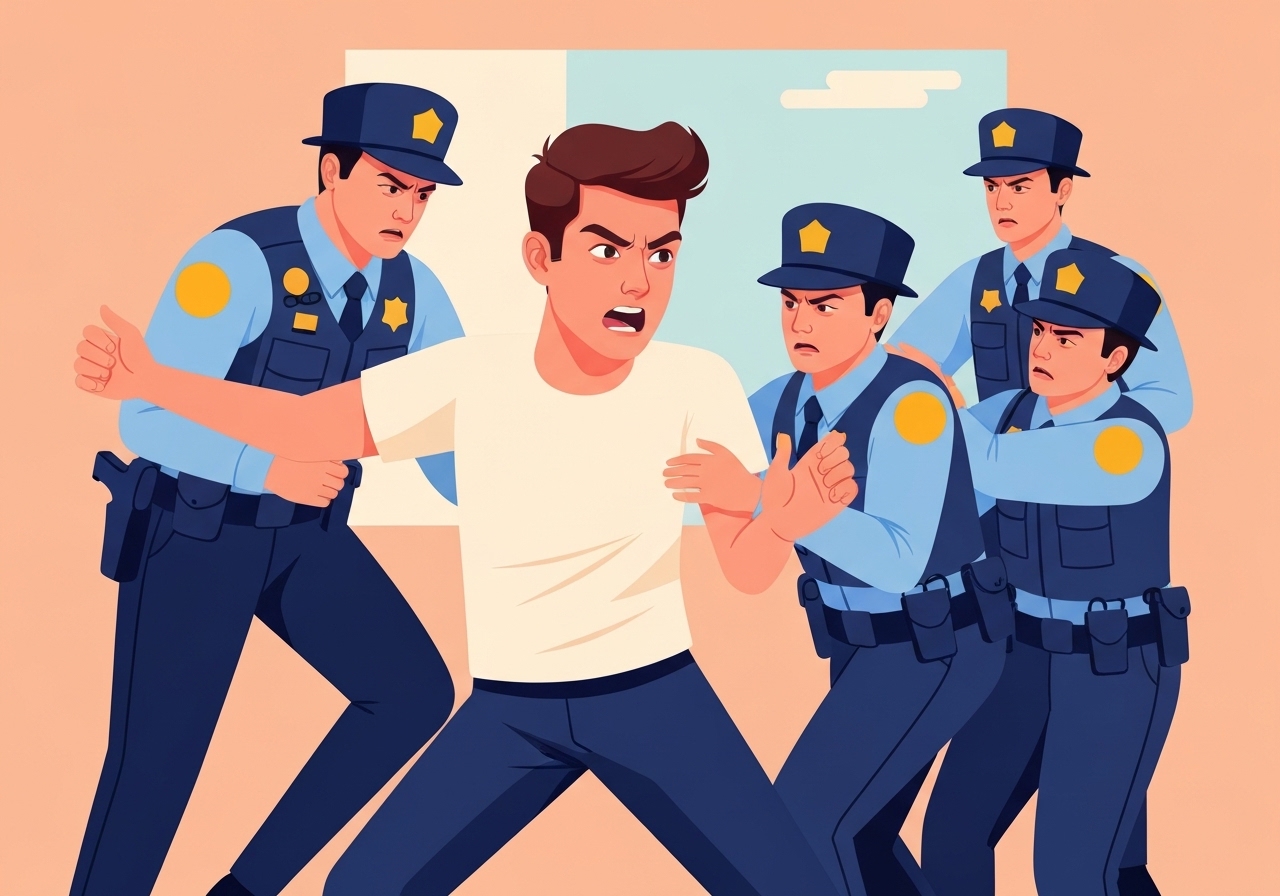
The Jan. 13 video shows a group of people on a Minneapolis street confronting federal immigration officers near a parked government SUV. A man believed to be Pretti walks up to the vehicle, kicks at its taillight and is then forcibly taken to the ground by several agents. At one point in the footage there appears to be a handgun in the man’s waistband; similar positioning of a firearm was visible in video from Jan. 24.
After the struggle, agents are seen deploying chemical irritants into the street while bystanders shout, record on their phones and honk car horns. The clip does not make clear whether the man was formally detained or charged following the Jan. 13 confrontation; neither the posting outlet nor federal officials provided immediate confirmation of an arrest from that day. CBS News and partner outlets verified the location and date of the recording.
Eleven days later on Jan. 24, a separate operation by CBP agents in south Minneapolis resulted in Pretti being shot and killed during another altercation. Surveillance and bystander videos from that day show agents shoving individuals to the ground and one agent removing a handgun from Pretti’s waistband before shots were fired. A government report sent to Congress indicates two CBP agents fired their weapons during the encounter.
Analysis & Implications
The Jan. 13 footage, if definitively linked to Pretti, adds context to a tense period of repeated engagements between community members and federal immigration officers in Minneapolis. Analysts say such recordings can shape both investigative timelines and public narratives, especially when multiple encounters occur in a short span. The existence of close-up video increases pressure on investigators to reconcile body-worn camera footage, surveillance video and witness statements.
Legally, the fact that Pretti held a permit to carry complicates community perceptions; permit status is lawful under Minnesota statute, but it does not alone determine whether use of force by officers was justified. Federal investigators must evaluate perceived threat, use-of-force policy, whether de-escalation was attempted, and whether the officer response matched training and Department of Homeland Security rules. Civil and criminal reviews can run in parallel, adding months to final determinations.
Politically, the incident is likely to feed debates over federal enforcement in cities that have resisted or limited cooperation with immigration authorities. City and state officials, civil-rights advocates and the White House have cited different priorities about public safety and immigration; the new footage could intensify calls for transparency, independent review and potential policy adjustments for how federal agents engage with protesters.
Comparison & Data
| Date | Location | Apparent actions | Weapons visible | Outcome |
|---|---|---|---|---|
| Jan. 13, 2026 | Minneapolis street | Man kicks SUV taillight; agents tackle him; chemical irritants deployed | Handgun seen at waistband (appears) | Unknown whether detained |
| Jan. 24, 2026 | South Minneapolis | Protest/operation; shoving; agent removes gun from waistband; shots fired | Handgun removed from individual; agents fired weapons | One civilian (Alex Pretti) fatally shot; two agents fired |
The table highlights the proximate timing and similar visual elements across the two events: alleged presence of a handgun at the waistband and physical confrontations with federal agents. That pattern has investigative relevance because it may inform whether officers perceived an ongoing threat, how escalations unfolded and whether the two encounters are linked in motive or sequence.
Reactions & Quotes
Family attorneys and representatives have condemned the use of force and emphasized that events preceding Jan. 24 could not justify lethal action. Their statement frames the Jan. 13 video as evidence of earlier aggressive treatment by agents.
“Nothing that happened a full week before could possibly have justified Alex’s killing,”
Steve Schleicher, family attorney
Federal officials have described the Jan. 24 shooting as involving defensive actions by agents; those statements emphasize officer safety and the need for a full review. Investigators have acknowledged awareness of the Jan. 13 recording and said it is part of the materials they are examining.
“Investigators are aware of the video and are analyzing it,”
Department of Homeland Security official
The administration and its law enforcement spokespeople have maintained the agents’ use of force was in self-defense while civil-rights groups and witnesses dispute aspects of that characterization. This dispute has become central to public debate and legal scrutiny.
“The shots fired by agents were defensive,”
Trump administration official (statement)
Unconfirmed
- Whether the man in the Jan. 13 video was officially detained, charged or released that day remains unconfirmed.
- Full forensic linkage between the individual in the Jan. 13 footage and the person shot on Jan. 24 has not been publicly released.
- Motivation for any follow-up interactions between agents and Pretti between Jan. 13 and Jan. 24 is not yet established in available records.
Bottom Line
The Jan. 13 recording, verified by multiple outlets as filmed in Minneapolis and posted by The News Movement, introduces an earlier instance of physical confrontation between a man believed to be Alex Pretti and federal immigration officers. That footage does not, on its own, determine lawfulness or culpability but serves as an additional piece of evidence investigators must weigh alongside other video, eyewitness accounts and official reports.
Investigations by Homeland Security and other authorities will need to reconcile the two encounters in January, explain decision-making by officers on scene and determine whether policy or criminal statutes were breached. Given the heightened public interest and the presence of multiple videos, final findings and any accountability steps may take months and will likely shape future practice and political debate over federal immigration enforcement in U.S. cities.
Sources
- CBS News (news report; original coverage)
- The News Movement (digital media outlet; posted the Jan. 13 video)
- BBC News (news partner; verification)
- U.S. Department of Homeland Security (official; investigator statements and press materials)