
Lead
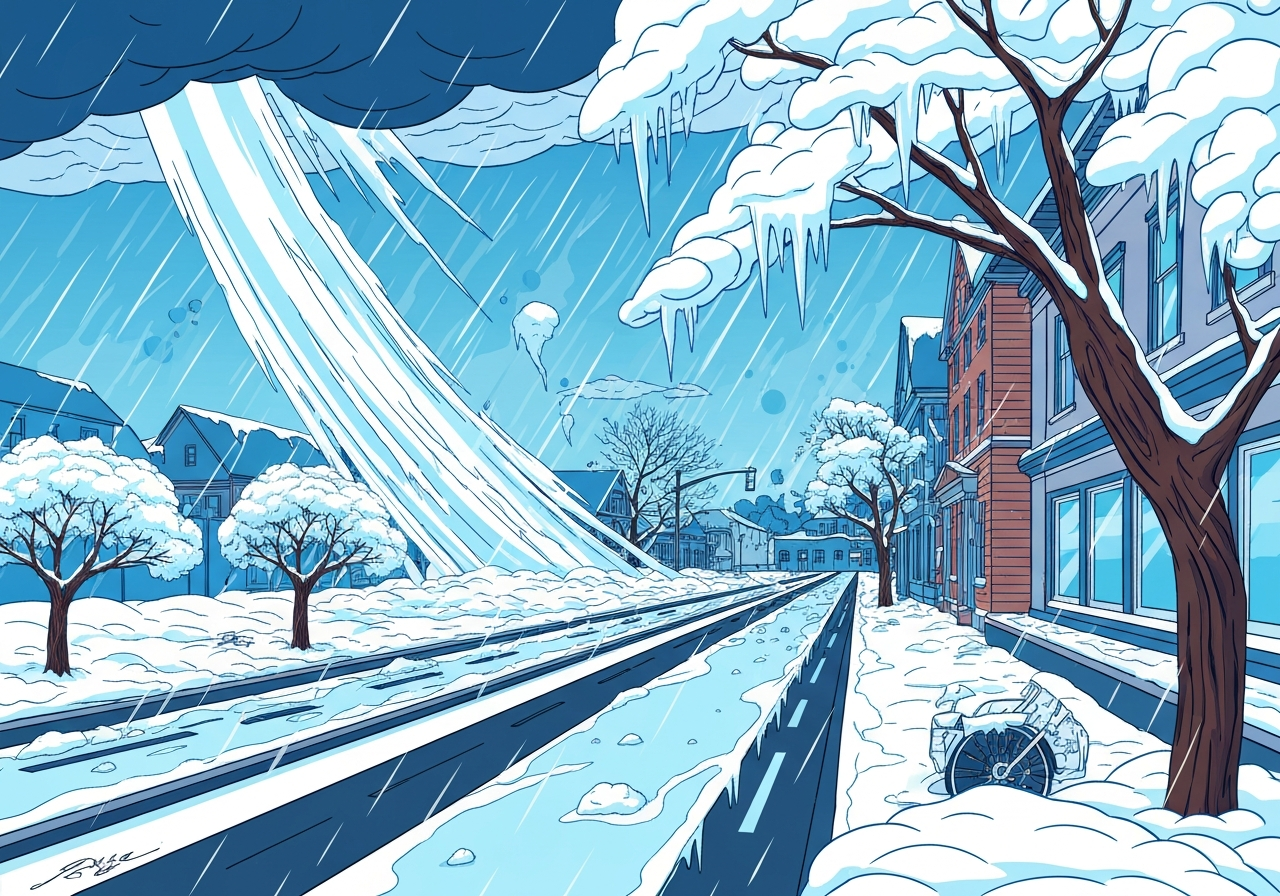
On Jan. 31, 2026 a potent winter storm moved across North Carolina and South Carolina, coating mountain towns and coastal communities with snow and ice and prompting statewide warnings. The system produced several inches of snow in places, gusty winds and a second band of snow expected Saturday afternoon, heightening the risk of power outages and hazardous travel. Officials warned of strong tides and coastal flooding—especially around the Outer Banks—and forecast temperatures falling below 20 degrees or into the single digits Saturday night into Sunday morning. Local authorities emphasized that unsafe roads were the chief immediate concern as crews worked extended hours to keep key routes passable.
Key Takeaways
- A storm on Jan. 31, 2026 affected both North Carolina and South Carolina, producing several inches of snow across many regions, from the mountains to the coast.
- Snow was reported in every county of the Carolinas, including downtown Greenville, S.C., according to regional coverage.
- A second band of snow was forecast for Saturday afternoon, increasing the chance of additional accumulation and slick roads.
- Temperatures were expected to drop below 20°F and reach single digits Saturday night into Sunday morning, which could preserve snowpack into next week.
- Officials warned of possible power outages; strong winds and high tides raised the risk of coastal flooding in parts of North Carolina, notably the Outer Banks.
- North Carolina’s Department of Transportation crews reported working up to 100-hour weeks to clear roads during the event.
Background
Wintry systems reaching the southeastern United States are uncommon but not unprecedented; the Carolinas periodically see cold-air intrusions that combine with coastal moisture to produce snow and ice. In recent weeks residents and municipal crews had already been responding to a prior round of cold weather and limited supplies of treatments such as rock salt, leaving some communities vulnerable to renewed accumulation. The Carolinas’ geography—mountainous interior, Piedmont plateaus and vulnerable barrier islands—creates a patchwork of risk: higher elevations usually see heavier snow while low-lying coastal zones face flooding and storm-surge threats.
State and local agencies in both North and South Carolina have stepped up preparations, mobilizing road crews, warning motorists and coordinating with utility companies. When storms are forecast for the region, officials typically balance pre-emptive closures and travel advisories with efforts to keep supply lines open. The interplay between sustained cold and infrastructure stress—frozen pipes, endangered power lines and high demand for heating—can extend impacts beyond the immediate snowfall.
Main Event
The storm arrived in waves on Jan. 31, bringing an initial swath of snow that coated streets and tree limbs and was followed by a renewed band in the afternoon. Mountain communities such as Asheville, N.C., and urban centers including Greenville, S.C., saw white cover and slippery conditions, while officials on the coast issued cautions about storm-driven tides and hazardous surf. Roadway conditions deteriorated quickly in some corridors as blowing snow and lingering untreated ice reduced visibility and grip.
Power companies placed crews on alert for outages as trees laden with ice threatened lines, and local emergency managers opened warming centers where feasible. Transportation departments ramped up plowing and de-icing operations; in North Carolina, authorities said crews had worked extended shifts—up to 100-hour weeks—to keep major routes clear since the previous cold spell. Many school districts and government offices announced closures or delayed openings to reduce exposure during the worst travel conditions.
Residents reacted with a mix of frustration and novelty: shoppers sought limited supplies such as salt and generators, while families in some communities welcomed the prospect of snow days. At the same time, emergency officials urged caution, saying the combination of wind, falling snow and frigid nighttime temperatures created an elevated risk for accidents and infrastructure failures.
Analysis & Implications
Short term, the primary concern is transportation safety and ensuring vital services remain operational. Prolonged subfreezing temperatures will keep road surfaces icy and make restoration of any power outages more difficult, while frozen valves and water mains pose secondary public-health risks. Municipal budgets and staffing are strained by repeated storms; overtime and equipment usage costs increase when crews work long stretches to clear roads and restore services.
Economically, localized disruptions can ripple through supply chains—delayed deliveries, school closures affecting workforce availability and temporary business interruptions—especially where communities lacked adequate winter supplies. For coastal areas, concurrent high tides and onshore winds raise the risk of flooding and erosion; barrier islands like the Outer Banks are particularly exposed to episodic inundation even from mid-strength storms when combined with astronomical high tides.
Politically and administratively, repeated extreme-weather responses often trigger questions about preparedness and funding for resilience measures. Municipalities may face increased pressure to stockpile de-icing materials, invest in durable equipment, and coordinate mutual-aid agreements among neighboring jurisdictions. For utilities, recurring storms highlight the need for vegetation management and grid hardening to limit outage duration.
Comparison & Data
| Metric | Observed / Forecast |
|---|---|
| Snowfall | Several inches in many locations |
| Temperatures (Sat night–Sun morning) | Below 20°F to single digits |
| DOT staffing | Crews up to 100-hour weeks (N.C.) |
| Coastal risk | Strong tides and localized flooding (Outer Banks) |
The table summarizes reported and forecast conditions for the Jan. 31 system. Exact snowfall totals varied by county and elevation; mountain communities typically recorded higher amounts than coastal plain locations. Officials emphasized that the timing of the second snow band would determine whether road-clearing gains from earlier shifts would hold or be undone.
Reactions & Quotes
“Our greatest concern is unsafe travel,”
Gov. Josh Stein, North Carolina (official)
Governor Stein highlighted transportation risk and noted extended operations by state road crews to keep thoroughfares open. The comment framed the state’s emphasis on road safety as the immediate priority during and after the storm.
“His face was just neutral. It’s like he’s saying, ‘Get me out of here,'”
Kwadwo Som-Pimpong, Asheville resident
A local parent described his toddler’s indifferent reaction to the snow—an anecdote that captured the mix of fatigue and novelty many residents expressed after consecutive cold events.
“Blizzard-like conditions could develop in isolated areas with strong winds and heavy snow,”
National Weather Service (agency advisory)
The National Weather Service advisory framed the meteorological threat, warning that wind-driven snow would reduce visibility and exacerbate drifting, particularly where the storm’s heavier bands set up.
Unconfirmed
- Precise county-by-county snowfall totals for the Jan. 31 event were still being compiled at the time of reporting.
- The final tally of power outages and the duration of any service interruptions had not been fully confirmed across all utilities.
- Detailed assessments of coastal erosion or property damage along the Outer Banks were pending post-storm surveys.
Bottom Line
The Jan. 31, 2026 winter storm brought disruptive snow, strong winds and frigid lows to North Carolina and South Carolina, exposing vulnerabilities in travel infrastructure and coastal defenses. Immediate priorities are safe travel, rapid restoration of any outages, and targeted checks on water and heating systems as temperatures remain low.
Over the coming days officials will tally localized impacts, and communities will need to balance cleanup with preparations for continued cold. The event underscores the value of pre-positioned resources—salt, sand, backup power and mutual-aid agreements—especially for regions that only sporadically face heavy winter weather.
Sources
- The New York Times — national news reporting and regional accounts (news)
- National Weather Service — official weather advisories and forecasts (federal agency)
- Office of the Governor of North Carolina — state official statements and advisories (official)
- Greenville News — local reporting and images (local news)