
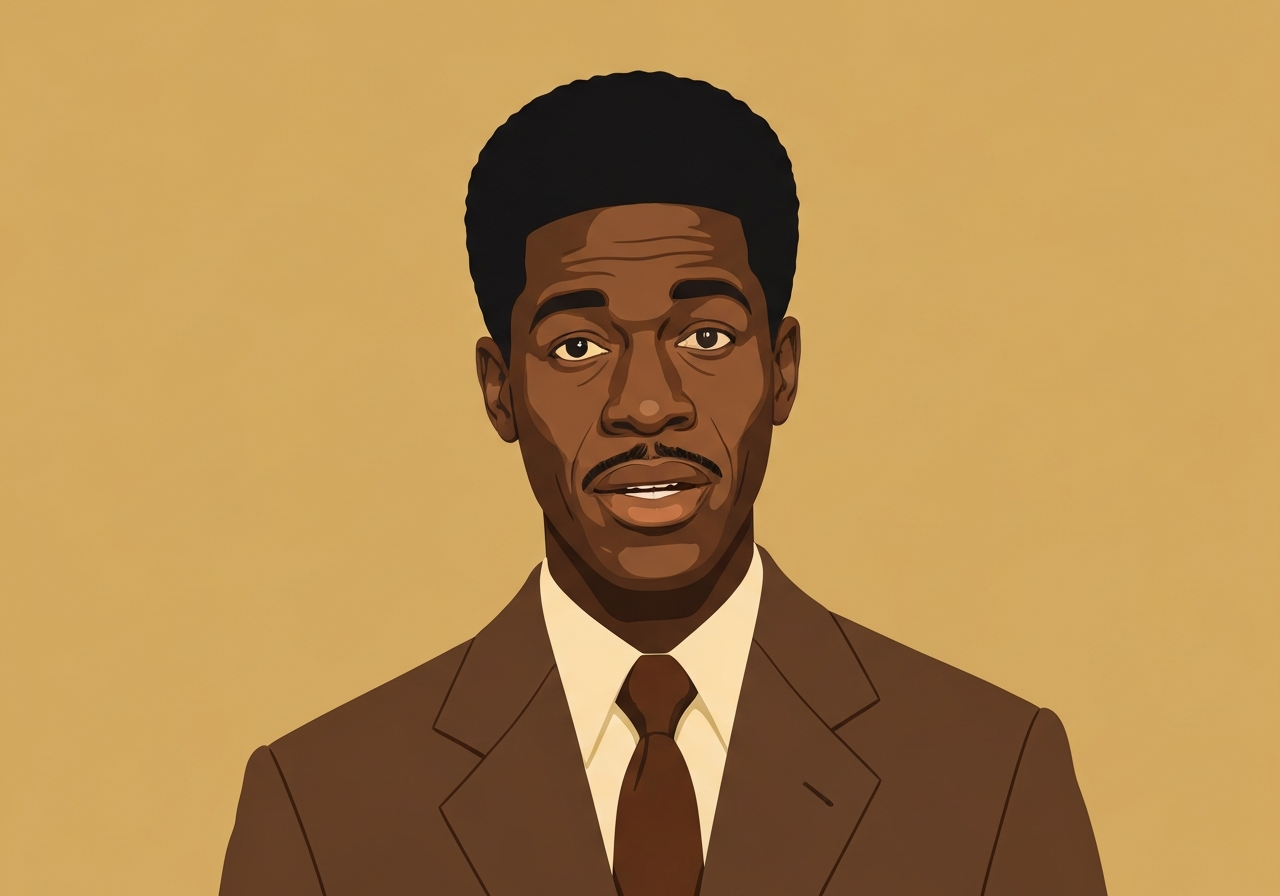
Demond Wilson, the actor who played Lamont Sanford opposite Redd Foxx on the hit 1970s sitcom Sanford and Son, died on Jan. 31, 2026, at his home in California’s Coachella Valley. He was 79. His son, Christopher Wilson, confirmed that Mr. Wilson had been diagnosed with prostate cancer. Wilson’s death closes a chapter on a landmark series that ran six seasons and helped bring African American family comedy into mainstream prime-time television.
Key Takeaways
- Demond Wilson died on Jan. 31, 2026, at age 79 at his Coachella Valley home; his son confirmed a history of prostate cancer.
- Wilson played Lamont Sanford, the younger partner and foil to Redd Foxx’s Fred Sanford, on Sanford and Son, which premiered on NBC in January 1972.
- The program ran six seasons through the mid-1970s and was in Nielsen’s top 10 for its first five seasons and in the top five for three of those years.
- Wilson was in his mid-20s and a theater veteran when cast; the role showcased both his straight-man timing and occasional showbiz talents, including a notable Season 4 dance sequence.
- Contemporary coverage praised Wilson’s work; Ebony (July 1972) called him “excellent,” and critics noted the chemistry between the two leads as central to the show’s appeal.
- His passing has prompted reflection on the series’ cultural role in expanding Black-led programming on network television during the 1970s.
Background
Sanford and Son debuted on NBC in January 1972 as a vehicle for Redd Foxx, a comedian known for his adult-oriented comedy records, making a rare transition to a network prime-time lead. The show centered on Fred Sanford, a cantankerous junk dealer, and his adult son Lamont, who co-managed the family salvage business. Writers framed Lamont as the put-upon but ambitious foil whose reactions and ambitions often drove storylines even as he played the straight man to his father’s outrageous lines.
The program ran for six seasons through the mid-1970s and achieved strong Nielsen performance early in its run: it placed among the 10 most-watched shows for its first five seasons and was ranked in the top five for three of those years. That level of audience attention made the series both a ratings success and a frequent subject of industry commentary about representation and sitcom formats. Demond Wilson arrived with a theater background and limited screen credits, stepping into Lamont’s role at roughly age 25 and quickly becoming a recognized television presence.
Main Event
Wilson’s death was announced Jan. 31, 2026, and confirmed to reporters by his son, Christopher Wilson, who said his father had been treated for prostate cancer. He passed at home in the Coachella Valley area of California. No additional cause-of-death detail was released publicly at the time of the confirmation.
On screen, Lamont Sanford was frequently the emotional engine of episodes—dealing with aspirations, family disputes and periodic attempts to step into showier roles. One memorable Season 4 moment saw Lamont don a tuxedo and substitute as a nightclub dancer, an instance critics and fans later cited when discussing Wilson’s broader stage talents beyond sitcom acting.
Contemporary outlets noted Wilson’s contribution to the show’s dynamic. Early reviews and profiles, including a July 1972 feature in Ebony magazine, singled out Wilson’s readiness and skill as key to balancing Foxx’s brash comic persona. The series’ sustained ratings underlined how audiences responded to the father-and-son partnership as a central comedic engine.
Analysis & Implications
Wilson’s passing invites appraisal of Sanford and Son’s place in television history. The show arrived during a period when network television was slowly increasing the visibility of Black performers in leading roles; its commercial success helped demonstrate the market for such programming. As Lamont, Wilson occupied a role that blended frustration, dignity and occasional showmanship—character traits that broadened representation of Black male leads beyond single-note caricatures.
From an industry perspective, the series’ Nielsen performance in its early seasons reinforced the argument that diverse casting could draw mainstream audiences without being confined to niche programming. That legacy matters today as streaming platforms and legacy networks assess archival value, syndication revenue and cultural resonance for classic series in the marketplace.
Wilson’s career also highlights the transition many performers made from stage to television in that era. His theatrical training contributed to moments—like the Season 4 dance sequence—that expanded viewers’ perception of his range. For historians and critics, Wilson’s work offers a case study in how supporting leads can shape a show’s identity and longevity.
Comparison & Data
| Measure | Figure |
|---|---|
| Original NBC run | Premiered Jan. 1972; 6 seasons |
| Nielsen placement | Top 10 for first 5 seasons; top 5 for 3 seasons |
| Wilson’s age at casting | Mid-20s |
The table above summarizes the program’s core broadcast metrics and Wilson’s entry into the series. Those indicators—run length and Nielsen placement—help explain the show’s cultural reach in the 1970s and its continued presence in syndication and retrospectives on television history.
Reactions & Quotes
“The father‑and‑son act makes for unusually enjoyable” comedy, a contemporary critic observed, highlighting the show’s central dynamic.
John J. O’Connor, The New York Times (TV critic)
“He is excellent,” a 1972 profile in Ebony concluded, noting Wilson’s early promise as a screen actor.
Ebony (1972, magazine feature)
Family members and colleagues paid tribute in statements and social posts following the confirmation. Fans and cultural commentators likewise reflected on how Wilson’s Lamont blended patience, exasperation and occasional showmanship—qualities that made the character distinctive across six seasons.
Unconfirmed
- No official public statement detailing the immediate cause of death beyond confirmation of a history of prostate cancer has been released.
- Specifics about funeral arrangements or memorial services had not been publicly announced at the time of reporting.
Bottom Line
Demond Wilson’s death marks the loss of an actor whose steady presence helped anchor one of 1970s television’s most recognizable family comedies. As Lamont, he provided a necessary counterbalance to Redd Foxx’s larger-than-life Fred Sanford and helped make the father‑and‑son relationship the show’s emotional fulcrum.
Beyond nostalgia, the show’s ratings success during its initial seasons and persistent place in cultural memory underline its significance in broadcasting history—especially in growing visibility for Black-led sitcoms. Wilson’s body of work, and the show’s continuing availability in syndication and streaming, ensure that his contribution will remain visible to future audiences.
Sources
- The New York Times (news report; obituary and contemporary critical citations)
- Ebony (archival magazine feature, July 1972)
- Bettmann via Getty Images (archival photo agency credit)