
Lead
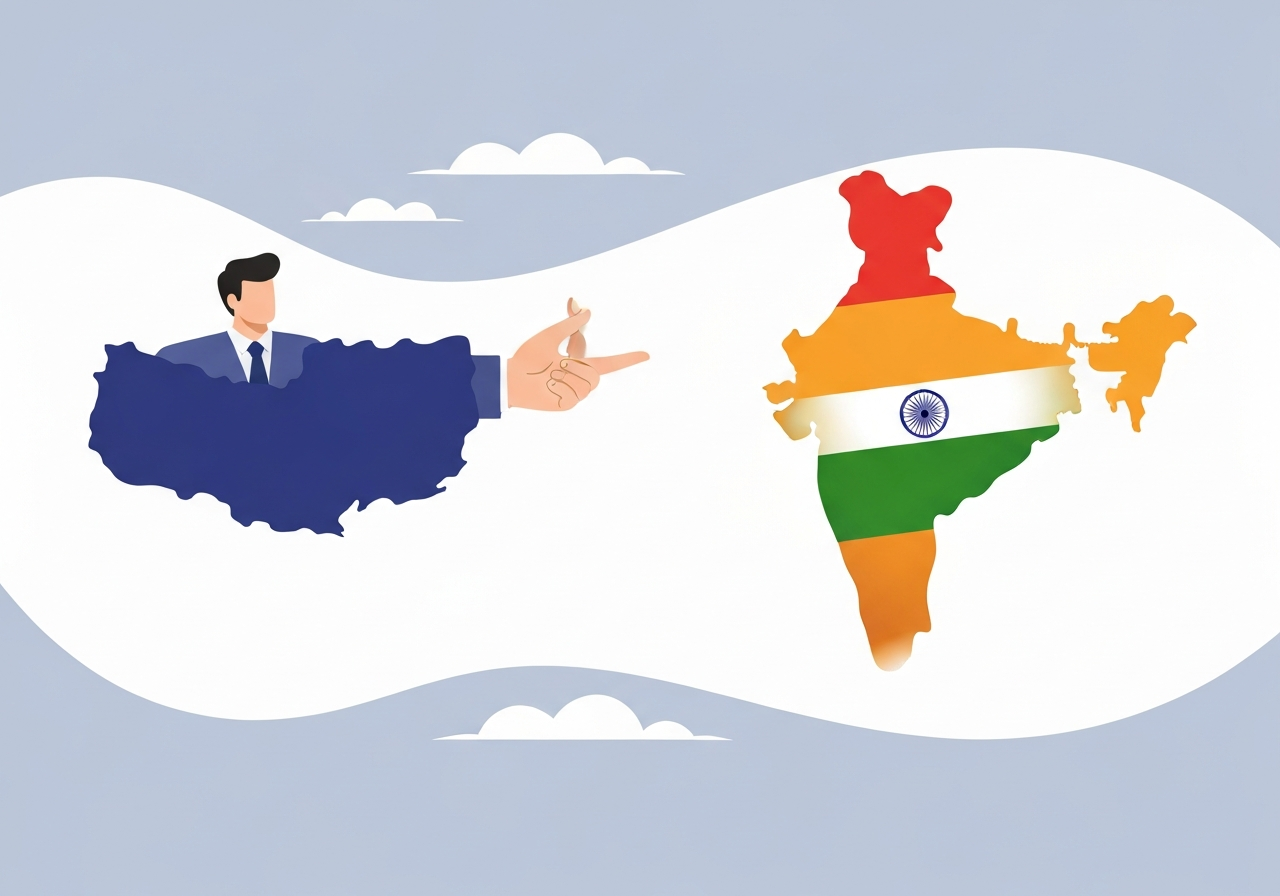
US President Donald Trump and Indian Prime Minister Narendra Modi agreed a trade package in a phone call that the White House says will reduce US tariffs on Indian goods and remove a Russia-linked penalty. The deal, announced by Mr Trump on his social platform and confirmed to the BBC by a White House official, includes dropping a 25% tariff penalty tied to India’s Russian oil purchases and lowering other US duties to an agreed 18% rate. Mr Trump also said India committed to buying more than $500 billion of American goods, and Modi posted that he was “delighted” by the outcome. The announcement follows India’s separate free-trade agreement with the EU announced last week.
Key Takeaways
- The US will remove a 25% tariff penalty that had been tied to India’s purchase of Russian oil and set a new overall US tariff rate on Indian goods at 18%, the White House told the BBC.
- President Trump said India agreed to stop buying Russian oil and to increase purchases of US energy and other goods, including a pledge of over $500 billion in US purchases.
- The move follows US tariffs imposed in August that included applied duties up to 50% on certain Indian imports; American importers previously paid roughly 2.5% on average for goods from India.
- India’s leaders framed the deal as mutually beneficial for two large democracies and an opportunity to expand cooperation in trade and energy.
- A coalition of some 800 US small businesses warned the arrangement locks in higher import costs compared with pre-tariff levels, calling the new rate a permanent increase for importers.
- US stock indices rose modestly after the announcement; markets appear to have welcomed reduced bilateral trade friction.
Background
Tension in US-India trade relations rose after the Trump administration applied steep tariffs on a range of Indian imports in August, with some duties reaching 50% and a distinct 25% penalty linked to New Delhi’s continued purchases of Russian oil. Those US measures caused Indian exports to the US to fall sharply and prompted New Delhi to seek alternative markets and partnerships to offset lost sales.
Separately, India concluded a landmark free-trade agreement with the European Union last week after nearly two decades of intermittent talks; the EU estimates the pact could roughly double its exports to India by 2032. The EU deal and the new US understanding both reflect a recalibration of trade ties as geopolitical fault lines shift around energy supplies and supply-chain realignment.
Main Event
Mr Trump announced the bilateral agreement on his Truth Social account following a morning phone call with Mr Modi. According to Mr Trump, the leaders discussed trade and the Russia-Ukraine war; the president said Modi agreed to halt purchases of Russian oil and to increase energy purchases from the United States and “potentially Venezuela.”
The White House later confirmed to the BBC that the specific tariff penalty tied to Russian-oil purchases will be removed and that other US tariffs on Indian goods would be reduced to an 18% rate. The confirmation framed the change as part of a negotiated package rather than a unilateral waiver.
Indian officials responded positively on social media, with Mr Modi calling the outcome “wonderful” for India’s 1.4 billion people and emphasising the opportunity for deeper cooperation between two large democracies. The deal was also described by analysts as a strategic response to the EU-India agreement.
Analysis & Implications
Economically, the deal recalibrates trade costs: American importers will still face higher duties than the pre-tariff era, when average import levies on Indian goods were around 2.5%. For exporters in India, the 18% applied rate and removal of the 25% Russia-linked penalty should improve access to US markets compared with the immediate post-August environment.
Strategically, the oil-purchase element speaks to geoeconomic leverage. If New Delhi follows through on reducing or halting purchases of Russian crude, it would materially affect Russia’s export diversions and global energy flows. The practical effect will depend on the timeline, enforcement mechanisms and availability of alternate suppliers; those details were not disclosed in the initial announcement.
Politically, the agreement signals US willingness to temper punitive measures in exchange for concessions that align with its broader geopolitical aims. For India, the deal brings potential trade relief while allowing New Delhi to balance its energy security needs and diplomatic ties with multiple partners.
Comparison & Data
| Measure | Prior | Agreed |
|---|---|---|
| US applied tariff level on certain India goods (Aug) | Up to 50% | 18% (agreed) |
| Russia-linked penalty | +25% applied | Dropped |
| Average tariff faced by US importers pre-tariffs | ~2.5% | 18% (agreed) |
The table compares headline duty rates before and after the announced deal. Numbers reflect applied tariffs and public averages reported around the August measures and the White House confirmation; they do not represent final, legally implemented schedules, which require agency processes.
Reactions & Quotes
“He agreed to stop buying Russian oil, and to buy much more oil from the United States,”
Donald J. Trump, US President (post on Truth Social)
The White House framed the announcement as a negotiated tariff adjustment tied to broader trade concessions. Markets reacted modestly positively to the reduction in bilateral friction.
“Big thanks to President Trump on behalf of the 1.4 billion people of India for this wonderful announcement,”
Narendra Modi, Prime Minister of India (post on X)
Mr Modi emphasised the partnership angle and the potential for expanded cooperation; Indian officials highlighted the deal’s economic opportunities for both nations.
“This ‘deal’ locks in a rate six times higher than what we were paying a year ago,”
Dan Anthony, Director, We Pay the Tariffs (US small-business coalition)
US small-business groups cautioned that the agreed rate leaves importers with substantially higher costs than before the tariffs were first applied.
Unconfirmed
- Whether the $500 billion figure Mr Trump cited for Indian purchases of US goods represents signed contracts, a multi-year target, or a projected commitment; details have not been published.
- The precise timeline and enforcement mechanism for India to stop buying Russian oil—whether immediate, phased, or conditional—were not specified in the initial statements.
- Claims that India will reduce all tariffs and non-tariff barriers to zero were asserted by Mr Trump; there is currently no public, verifiable schedule detailing complete elimination of barriers.
- Mr Trump’s suggestion that India may increase oil purchases from Venezuela is unverified and lacks confirmed commercial agreements in the public record.
Bottom Line
The announced US-India package represents a tactical détente: the US is rolling back a punitive Russia-linked tariff while securing high-level commitments from India on energy and expanded purchases of US goods. For both capitals, the deal reduces immediate trade friction and creates political momentum for deeper cooperation.
However, the real economic and strategic impact depends on follow-through. Critical elements—contractual details for the $500 billion pledge, the schedule for halting Russian oil purchases, and the legal process to implement new tariff rates—remain to be documented. Observers should watch official notices from trade agencies and subsequent bilateral implementation steps to assess the agreement’s lasting effects.