
Lead
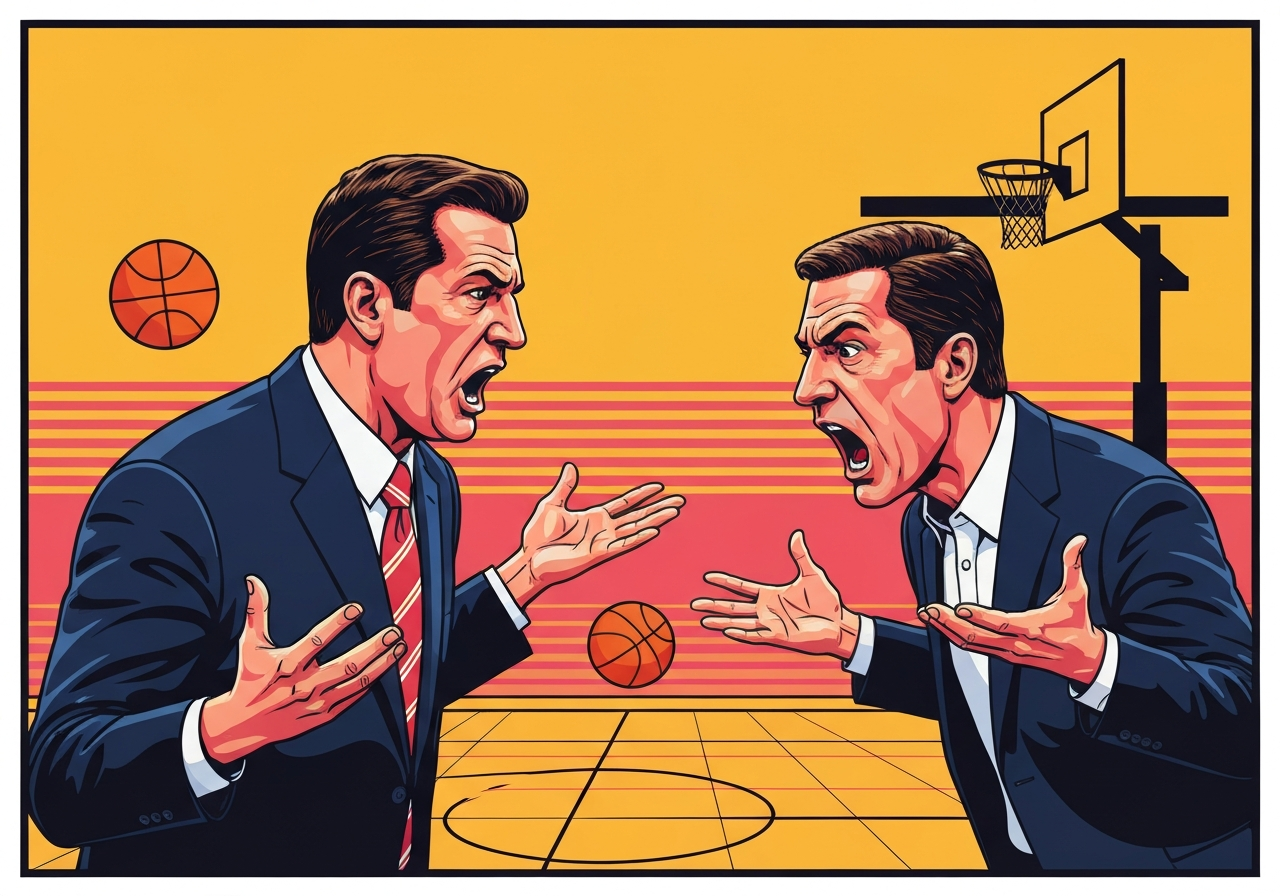
After Michigan’s 83-71 win in East Lansing on Friday, Michigan coach Dusty May and Michigan State coach Tom Izzo publicly accused the other side of dangerous or unsportsmanlike actions. The dispute centers on a sequence in which Michigan State guard Jeremy Fears Jr. made contact with Michigan’s Yaxel Lendeborg that May said appeared to be a trip. Izzo rejected a one-sided reading of the game, saying there were questionable plays against Michigan as well, and he framed some incidents as intense competitive contact. Both programs remain in the Big Ten title chase, with a potential season-deciding rematch scheduled March 8 in Ann Arbor.
Key Takeaways
- Final score: Michigan 83, Michigan State 71 in East Lansing on Friday; the game was widely contested and heated.
- Specific incident: Jeremy Fears Jr. made contact with Yaxel Lendeborg during one sequence that coaches and observers debated as an apparent trip.
- Coach Dusty May called the contact intentional, saying, “Appeared? It wasn’t an illusion,” and pointed to multiple plays he considered dangerous.
- Tom Izzo countered that there were plays by Michigan that deserved scrutiny and said some contact was part of the game, adding he would address any dirty acts if shown.
- Game flow: Michigan led by 16 at halftime; Michigan State took its first lead with 7:27 left in the second half; Michigan closed with a 19-8 run in the final four minutes.
- Atmosphere: Michigan State fans directed expletive-filled chants at May before tipoff, adding to the tension surrounding the rivalry.
- Stakes: Both teams remain contenders for the Big Ten regular-season crown; the March 8 meeting in Ann Arbor could be decisive.
Background
The Michigan–Michigan State rivalry is longstanding, often producing intense, closely contested games with high stakes in the Big Ten standings. Coaches Dusty May and Tom Izzo both lead programs accustomed to physical play and passionate fan bases; games between the two frequently feature emotional moments and strong crowd involvement. This season both teams have been in the mix for the conference title, amplifying the importance of each matchup and the scrutiny of on-court incidents.
Officiating and player safety have become recurring themes in college basketball nationwide, and clashes between top programs tend to spotlight those issues. In this environment, any contested contact draws attention from coaches, league officials and media. The Friday game added to that trend: a large halftime lead shifted late, tempers flared on the court, and both sideline benches and the crowd were vocal throughout.
Main Event
The game opened with Michigan building a sizable lead and carrying a 16-point advantage into the break. Michigan State mounted a second-half comeback and briefly seized the lead with 7:27 remaining, fueling a tense finish in front of a hostile crowd. In the decisive stretch, Michigan answered and turned the closing minutes into a decisive 19-8 run over the final four minutes to secure the 83-71 victory.
One sequence became the focal point afterward: Fears Jr. and Lendeborg collided in a play that, on replay, appeared to include contact consistent with a trip. May described the play as intentional and said there were multiple plays across the 40 minutes that he considered dangerous, praising his players’ restraint in response. Izzo, when asked, disputed a one-sided narrative and said Michigan had its own questionable contacts, framing much of the action as part of heated competition between his guard and Michigan’s Elliot Cadeau.
Both coaches refused to escalate beyond public statements, though May emphasized the availability of film and suggested the pattern was easy to find on replay. Izzo pushed back with his own view of several no-calls he found puzzling and insisted he would address any clear dirty play if presented. Neither coach reported having contacted the other’s staff directly about the incidents following the game.
Analysis & Implications
At the team level, the exchange places additional scrutiny on both programs ahead of the regular-season finale. A high-profile public dispute between head coaches can harden narratives in the media and among officials; that may affect how referees manage the next meeting. For players, heightened focus on specific matchups (notably Fears Jr. vs. Elliot Cadeau) increases the risk that competitive physicality will be policed more tightly in future contests.
From a league perspective, the Big Ten could face pressure to review game video for any fouls that were missed or plays that crossed into unsportsmanlike conduct. The conference’s handling — whether a formal review, clarifying guidance to officials, or disciplinary action — would signal how it balances protecting players with preserving the flow and physical nature of conference basketball.
Public exchanges like this can also influence recruiting narratives and program reputations. While both Michigan and Michigan State routinely recruit at a high level, repeating allegations of dangerous play could factor into how prospects and their families perceive program culture. Conversely, coaches’ ability to manage players’ emotions and maintain discipline may gain emphasis in assessments of team leadership.
Comparison & Data
| Metric | Michigan | Michigan State |
|---|---|---|
| Final score | 83 | 71 |
| Halftime margin | +16 (led) | -16 (trailing) |
| First lead change | N/A | Spartans took first lead with 7:27 left |
| Closing run | 19-8 over final 4 minutes | 8 points in closing 4 minutes |
The numbers underline a game of momentum swings: Michigan’s large halftime cushion was erased by a second-half rally that produced a late Spartan lead, but Michigan’s decisive run in the final four minutes secured the victory. Those swings help explain why tempers boiled over — large leads and sudden reversals often intensify physical play and bench reactions.
Reactions & Quotes
Coaches framed the incident differently in postgame remarks, emphasizing either a pattern of dangerous plays or the heat of competition.
“Appeared? It wasn’t an illusion.”
Dusty May, Michigan head coach
May used that phrasing to argue the contact was deliberate and to note multiple instances he considered unsafe on film.
“I have no idea, but I thought there were a couple of plays the other way too… Michigan is over. I don’t care what Dusty says.”
Tom Izzo, Michigan State head coach
Izzo pushed back on a one-sided reading and characterized some of the contact as part of normal competitive play, while also signaling willingness to address specific dirty acts if shown evidence.
Unconfirmed
- Whether the contact by Jeremy Fears Jr. was officially deemed an intentional trip by league or game officials has not been publicly confirmed.
- No public record yet indicates the Big Ten or NCAA will open a formal review or discipline any participants related to Friday’s incidents.
- Claims that multiple dangerous plays occurred across the full 40 minutes remain May’s assessment; independent confirmation via league statement or official report is pending.
Bottom Line
The postgame exchange between Dusty May and Tom Izzo highlights how rivalry intensity, momentum swings and high stakes can turn routine physicality into accusations of unsportsmanlike conduct. Both coaches signaled different readings of the same events: May urged scrutiny of what he described as dangerous plays, while Izzo framed several incidents as competitive heat and disputed a one-sided narrative.
Looking ahead, the Big Ten and its officiating body may decide whether to review key sequences; either way, the March 8 rematch in Ann Arbor now carries heightened significance beyond standings. For fans and league officials alike, the priority will be balancing the traditional physicality of this rivalry with clear safeguards for player safety and fair enforcement of rules.
Sources
- ESPN — sports journalism report by Paul Biancardi and Myron Medcalf (story and game recap).