
Lead
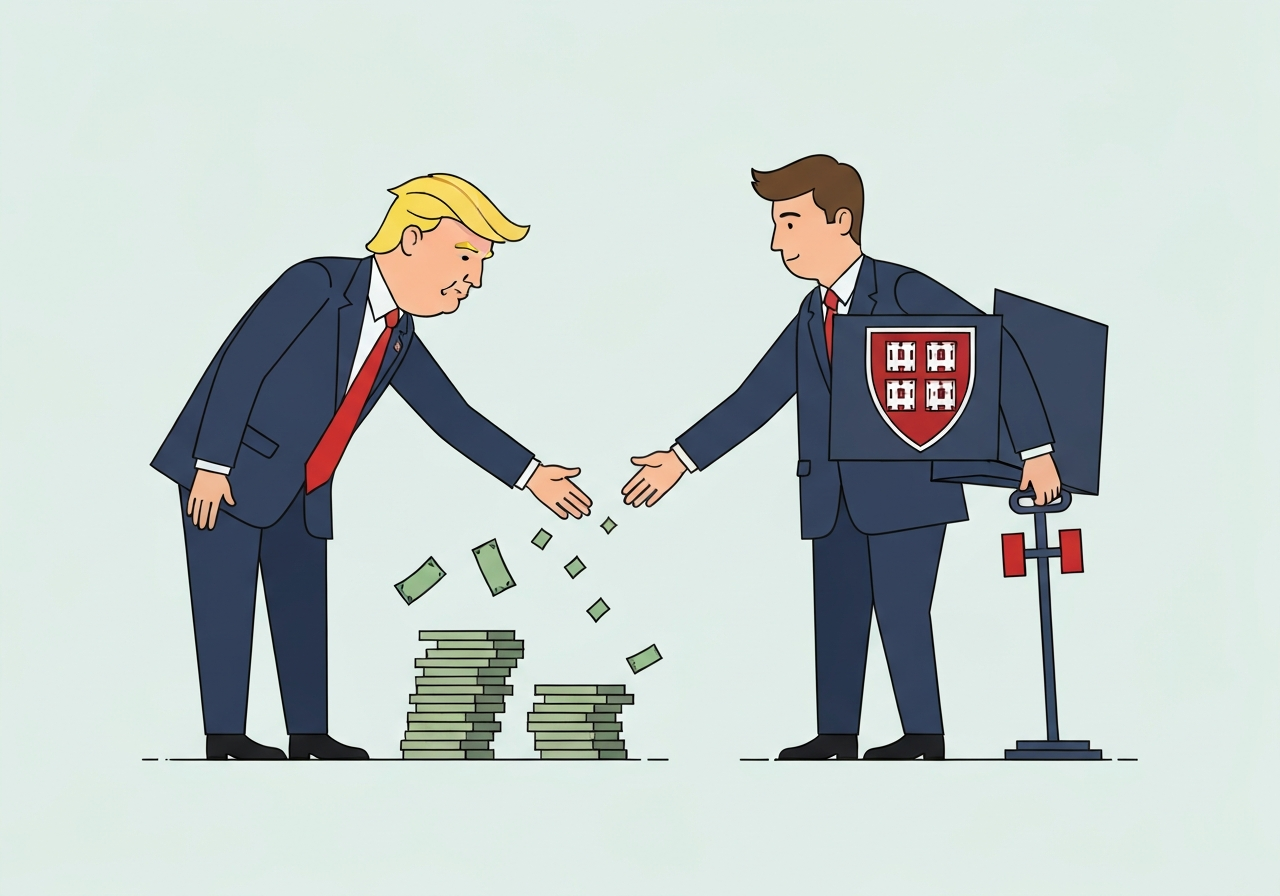
On Feb. 2, 2026, President Trump’s administration quietly abandoned a prior demand that Harvard pay $200 million to the U.S. Treasury as part of talks to resolve accusations about mishandling antisemitism, according to people familiar with the negotiations. The move came after sustained internal opposition at Harvard from faculty, students and alumni and amid political pressures on the White House, including falling approval ratings and controversy over immigration enforcement and two fatal federal-agent shootings in Minnesota. Administration and university officials say the concession aims to clear a major stumbling block and reopen talks, even as both sides weigh political and institutional risks.
Key Takeaways
- On Feb. 2, 2026, the White House dropped its insistence on a $200 million payment from Harvard, per multiple sources.
- Harvard resisted the payment for months amid internal protest from faculty, students and alumni who view any cash payment as capitulation.
- Hard-line administration figures had pushed the payment as part of broader pressure over alleged mishandling of antisemitism at the university.
- The administration has repeatedly threatened cuts to federal research grants, a leverage point that could jeopardize Harvard’s funding model.
- Political context — sagging presidential approval and controversy over immigration and two Minnesota shootings by federal agents — influenced the timing of the concession.
- Some Harvard leaders fear backlash if a deal appears to ease pressure on the president; others see little choice given potential grant disruptions.
Background
Harvard has been a primary target in the Trump administration’s broader campaign to exert greater influence over higher education institutions. Officials in the administration framed the pressure as a response to complaints that Harvard officials had not adequately addressed antisemitic incidents on campus. For months, internal Harvard debate has been heated: many students, faculty and alumni argued a payment to the government would amount to abandoning institutional principles and rewarding political coercion.
Federal research funding is a central revenue stream for major research universities like Harvard, making threats to cut grants a particularly acute point of leverage. Past episodes in which administrations conditioned funding or oversight on compliance have raised alarms across academia about precedent and institutional autonomy. The negotiation unfolded against a broader political landscape: recent declines in the president’s approval ratings and public outrage over immigration enforcement and the shooting deaths of two Americans by federal agents in Minnesota.
Main Event
According to four people briefed on the talks, the White House abandoned the $200 million payment demand in recent days, signaling a shift intended to remove an immediate obstacle to a broader settlement. Those people, who spoke on the condition of anonymity to describe private deliberations, said the concession reflected both political calculation and negotiating pragmatism. Administration officials privately acknowledged that insisting on a direct payment had become politically costly and legally awkward.
Harvard leaders, meanwhile, had consistently rejected the payment idea, citing both the symbolic consequences and the risk of alienating core constituencies on campus. Internally, university officials discussed the possibility of reputational damage if a settlement appeared to reward presidential pressure. At the same time, some university figures warned that prolonged conflict with the administration could imperil federal grants and research funding essential to Harvard’s operations.
The administration has used multiple levers in the dispute, including public criticism and explicit threats to restrict research grants. Harvard officials told advisers the university could not sustain a substantial loss of federal support without long-term consequences for laboratories, fellowships and collaborative programs. With the $200 million demand removed from the table, both sides appeared to refocus on other remedies and compliance measures to resolve the complaint.
Analysis & Implications
Dropping a headline monetary demand reduces immediate transactional friction but does not eliminate the underlying power dynamic between the federal government and major research universities. The administration retains other tools—most notably control over research and federal contracting—that can exert sustained pressure. Universities dependent on federal grants face hard choices when political disputes threaten essential funding streams.
The optics of the episode matter politically. For the White House, extracting any formal concession or remedial commitments from Harvard would be a public-relations win amid a difficult stretch in public opinion. For Harvard, even a non-monetary settlement risks being portrayed by critics as capitulation, potentially fueling protests and alumni dissent. The university must weigh the concrete costs of lost grants against the less quantifiable costs to institutional trust and campus morale.
Longer-term, the episode could set a template for how administrations pursue compliance from universities—favoring regulatory pressure and targeted funding controls over direct financial penalties. That precedent may prompt universities to reassess governance safeguards, legal defenses and public-communication strategies in disputes with federal authorities. Congressional oversight and potential litigation are likely to follow, which could reshape the contours of federal-university relations.
Comparison & Data
| Item | Earlier Position | Current Position |
|---|---|---|
| Monetary payment | $200 million demand | Demand dropped |
| Leverage used | Public threats, funding warnings | Same tools remain available |
The simplified table above contrasts the most visible concession (the $200 million payment) with the broader set of enforcement mechanisms still at the administration’s disposal. While the headline demand is gone, funding controls and regulatory pressure remain significant leverage points that could produce comparable outcomes without a direct cash transfer.
Reactions & Quotes
Public statements have been limited as negotiators work behind closed doors and university community members press leaders for clarity.
“The payment demand had become politically untenable and was removed to allow talks to continue,”
Official briefed on negotiations (anonym.)
This comment, from a person with direct knowledge of the discussions, framed the concession as a tactical move rather than an outcome resolving all disputes. The official emphasized that other enforcement options remained under consideration.
“Many on campus view any financial transfer as surrender; the community pushed back strongly,”
Harvard faculty member (anonym.)
Faculty and student activists said internal pressure had been sustained and intense, and that their opposition played a central role in Harvard’s public stance. Harvard leadership has publicly said it will defend academic freedom while also complying with lawful requirements.
“Federal funding is the single clearest vulnerability for top research universities and will shape future bargaining,”
Higher-education analyst
Analysts note that the episode may encourage closer scrutiny across campuses of contingency plans for grant disruptions and legal strategies to resist political pressure.
Unconfirmed
- No public, signed settlement has been released as of Feb. 2, 2026; details of any remaining agreement are not confirmed.
- Reports that specific grant programs have already been cut have not been independently verified; officials described threats rather than confirmed cancellations.
- Internal Harvard deliberations and any votes by governing bodies over a final deal have not been publicly disclosed and remain unconfirmed.
Bottom Line
The White House’s decision to drop a $200 million cash demand removes a dramatic bargaining chip and narrows the terms in dispute, but it does not end the contest between federal authorities and elite research universities. Harvard still faces tangible risks if the administration turns to grant restrictions or other regulatory pressures, and the university must carefully weigh compliance, legal exposure and campus trust.
For the administration, the concession may allow a tactical win if it secures remedial commitments without the political cost of a direct payment. For higher education nationally, the episode signals an era of intensified leverage where funding and regulatory tools can produce outcomes similar to a cash settlement, reshaping institutional strategies for defending autonomy and managing political conflicts.
Sources
- The New York Times (news report)
- Harvard University (official institution)
- The White House (official press site)