
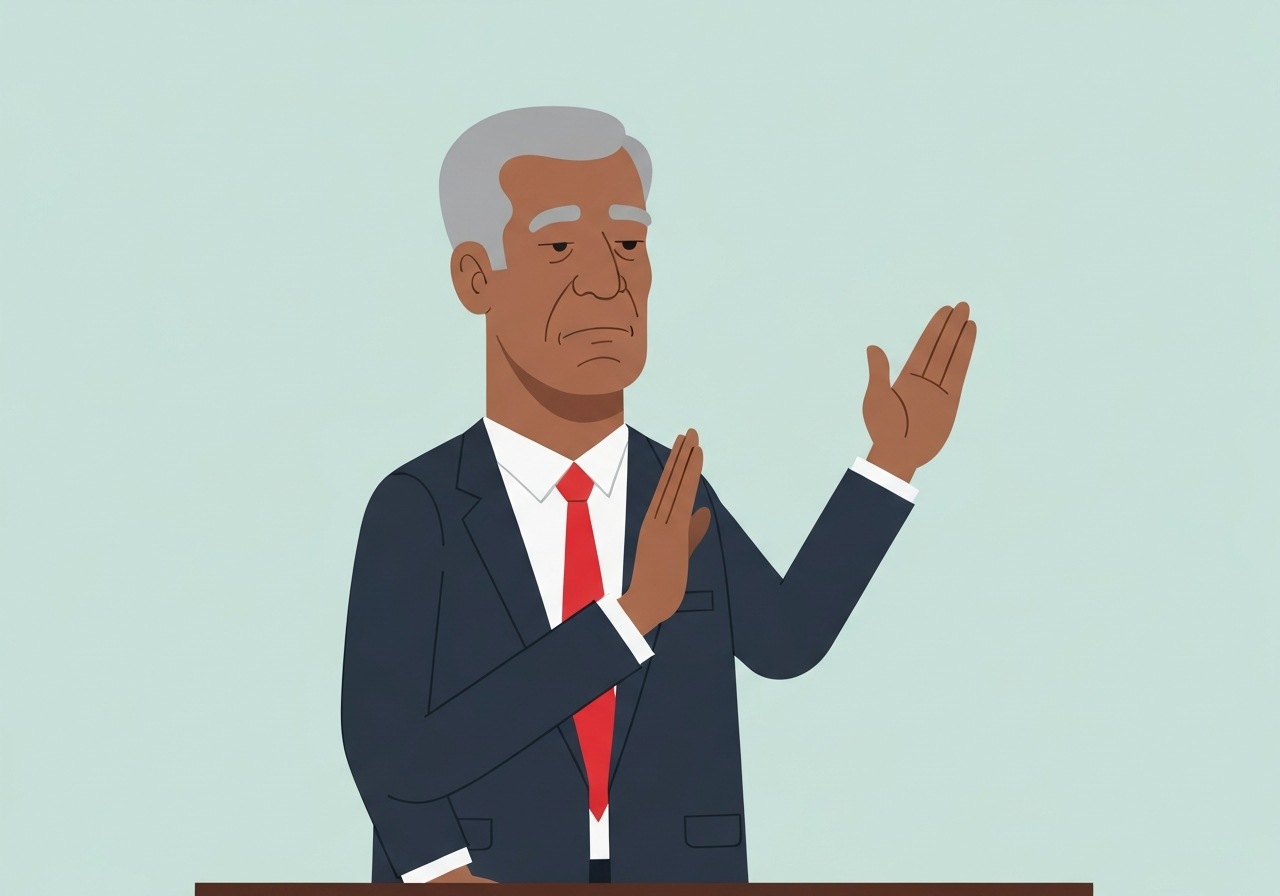
Former NFL coach Tony Dungy said on Tuesday he would not disclose whether he voted for Bill Belichick or Patriots owner Robert Kraft on the 50-person Pro Football Hall of Fame ballot, telling reporters he had not heard the results and would not speculate. The remark came amid a wider scramble to identify which voters left Belichick off their ballots after the legendary coach failed to be named in initial media reports. Dungy’s decision to stay silent drew attention because of his ties to former Colts general manager Bill Polian, who publicly said he did vote for Belichick. Voters will learn who is elected when the Hall of Fame makes its formal announcement on Thursday.
Key takeaways
- There are 50 voters on the Pro Football Hall of Fame ballot; each voter selects three candidates from a five-person slate.
- Five finalists were reported: Bill Belichick, Robert Kraft, Ken Anderson, Roger Craig and L.C. Greenwood.
- A candidate needs at least 40 votes (80% of 50) for induction; if none reaches 40, the top vote-getter is elected.
- Bill Polian publicly stated he voted for Belichick; Tony Dungy declined to confirm his own ballot at a Tuesday press event.
- Dungy said he would not speculate prior to the official announcement and that he had not heard who made the Hall on his end.
- Public and media interest has focused on identifying which voters omitted Belichick after initial reports suggested he was not elected.
Background
The Pro Football Hall of Fame uses a voting body of 50 designated selectors who each choose three candidates from a list of finalists. The ballot process is designed to produce an 80% threshold—40 votes—for automatic induction, a rule intended to protect the Hall’s exclusivity and historical consistency. This year’s five finalists included well-known figures: Bill Belichick and Robert Kraft alongside Ken Anderson, Roger Craig and L.C. Greenwood. The controversy arose when media coverage suggested Belichick did not receive enough votes, prompting a high level of scrutiny over individual ballots.
Voter behavior is typically private until the Hall’s formal announcement, but public figures sometimes disclose their choices after results are released. That discretion is meant to preserve integrity and avoid pressure on selectors. Tony Dungy, a Hall of Famer and former head coach of the Tampa Bay Buccaneers and Indianapolis Colts, is a longtime respected selector whose relationships within the league have made his ballot a focus this cycle. Bill Polian, the former Colts general manager and a colleague of Dungy, has said publicly that he cast a vote for Belichick, raising questions about whether Dungy followed suit.
Main event
On Tuesday, during a press gathering, Ryan Glasspiegel of Front Office Sports asked Dungy directly whether he had voted for Belichick or owner Robert Kraft. Dungy responded that he was a voter who had not heard the results and declined to speculate before the Hall’s official announcement. He emphasized procedural respect and said voters sometimes prefer to withhold comment until results are public. His reticence immediately became a focal point for reporters seeking clarity about the rumored snub.
The media effort to identify which of the 50 selectors excluded Belichick intensified after outlets suggested the coach had not cleared the 40-vote threshold. That effort relies partly on public statements from voters who choose to reveal their ballots after the fact; a few selectors have historically volunteered their choices, but many do not. The possible scenarios are straightforward: if Belichick received 39 votes, at least one other finalist reached 40 and was elected; if he received fewer, the distribution of votes among the other candidates determined the outcome.
Beyond individual ballots, the episode has sparked debate about how modern coaching careers are evaluated relative to earlier eras, and how off-field factors influence selectors. The presence of high-profile owners and coaches on a short ballot intensified media attention, turning routine voting into a public fascination as reporters and fans try to reconstruct the outcome ahead of Thursday’s announcement.
Analysis & implications
The immediate implication is reputational: a high-profile omission—or even uncertainty about voters’ choices—can generate questions about the Hall’s selection criteria and the perceived weight of modern accomplishments. If Belichick was close to induction but missed by one or a handful of votes, that result will likely prompt analysis of how voters balance championship totals, sustained success and organizational context. Media-driven attempts to identify dissenting selectors can create pressure on future voters to disclose or defend their choices.
Politically within the league, ballots can reflect networks and longstanding professional relationships. Dungy’s ties to Bill Polian, who said he voted for Belichick, made Dungy’s silence more newsworthy; but silence does not equate to a particular choice. The Hall’s confidentiality norms are intended to minimize lobbying and second-guessing, so Dungy’s approach aligns with an institutional preference for restraint. Public disclosure by some voters and not others can nevertheless skew perceptions of consensus.
For the Hall of Fame as an institution, this episode underscores the tension between transparency and tradition. Fans and media increasingly demand real-time answers, but rapid disclosure can undermine deliberative processes. If the Hall faces sustained criticism about ballot outcomes, it may face renewed calls for procedural adjustments—though any change would require consensus among selectors and the Hall’s governing bodies. Internationally and commercially, controversy can elevate interest in the Hall, bolstering viewership for the induction announcements even as it raises questions about selection methodology.
Comparison & data
| Finalist | Ballot context |
|---|---|
| Bill Belichick | Head coach; subject of media reports suggesting he may have fallen short of 40 votes |
| Robert Kraft | Owner; on the same five-person ballot |
| Ken Anderson, Roger Craig, L.C. Greenwood | Other finalists; voters choose three of five |
| Voting mechanics | 50 selectors, each picks 3; 40 votes required for induction (80%) |
The table above summarizes the five-person ballot and the mechanics that shape outcomes. With 50 selectors and a 40-vote threshold, a single vote can alter who reaches the required supermajority. This arithmetic helps explain the intense interest in individual selectors’ choices when a high-profile candidate appears to be near the margin.
Reactions & quotes
Reporters and analysts framed Dungy’s refusal to disclose as consistent with the Hall’s tradition of voter discretion, noting both the procedural logic and the public curiosity driving the exchange.
“I’m a voter. I have not heard who’s in or who’s out,”
Tony Dungy
Earlier public commentary from another selector changed the calculus for observers: Bill Polian said he cast a vote for Belichick, a statement that fueled speculation about whether other former Colts associates voted similarly.
“I voted for Bill Belichick,”
Bill Polian
Fans and commentators have weighed in on social platforms, with many calling for clarity about voting decisions and others urging respect for the Hall’s rules. The split reaction underscores the broader debate over transparency versus tradition in institutional honors.
Unconfirmed
- Which specific selector(s) omitted Bill Belichick is not confirmed until the Hall’s announcement and any voluntary disclosures after the fact.
- Exact vote tallies for each finalist have not been released publicly at the time of Dungy’s comments.
- Any suggestion that Dungy’s silence indicates a specific voting choice remains speculative without confirmation.
Bottom line
Tony Dungy declined to reveal whether he voted for Bill Belichick, citing that he had not heard results and preferred not to speculate before the Hall of Fame’s formal announcement. His reticence reflects both an institutional norm of voter discretion and heightened media attention because of his league connections. The arithmetic of a 50-person electorate and a 40-vote threshold means narrow margins can produce outsized controversy, which in turn fuels public scrutiny of individual selectors.
Readers should expect definitive clarity only after the Hall’s announcement on Thursday and any subsequent voluntary disclosures by voters. Until then, most statements about who did or did not vote for Belichick remain unconfirmed; the episode nevertheless spotlights ongoing debates about transparency, selection criteria and the influence of personal networks on honors in professional sports.
Sources
- NBC Sports — (media report on Dungy’s comments)
- Front Office Sports — (media outlet; reporter who questioned Dungy)
- Pro Football Hall of Fame — (official institution; voting rules and announcement authority)