
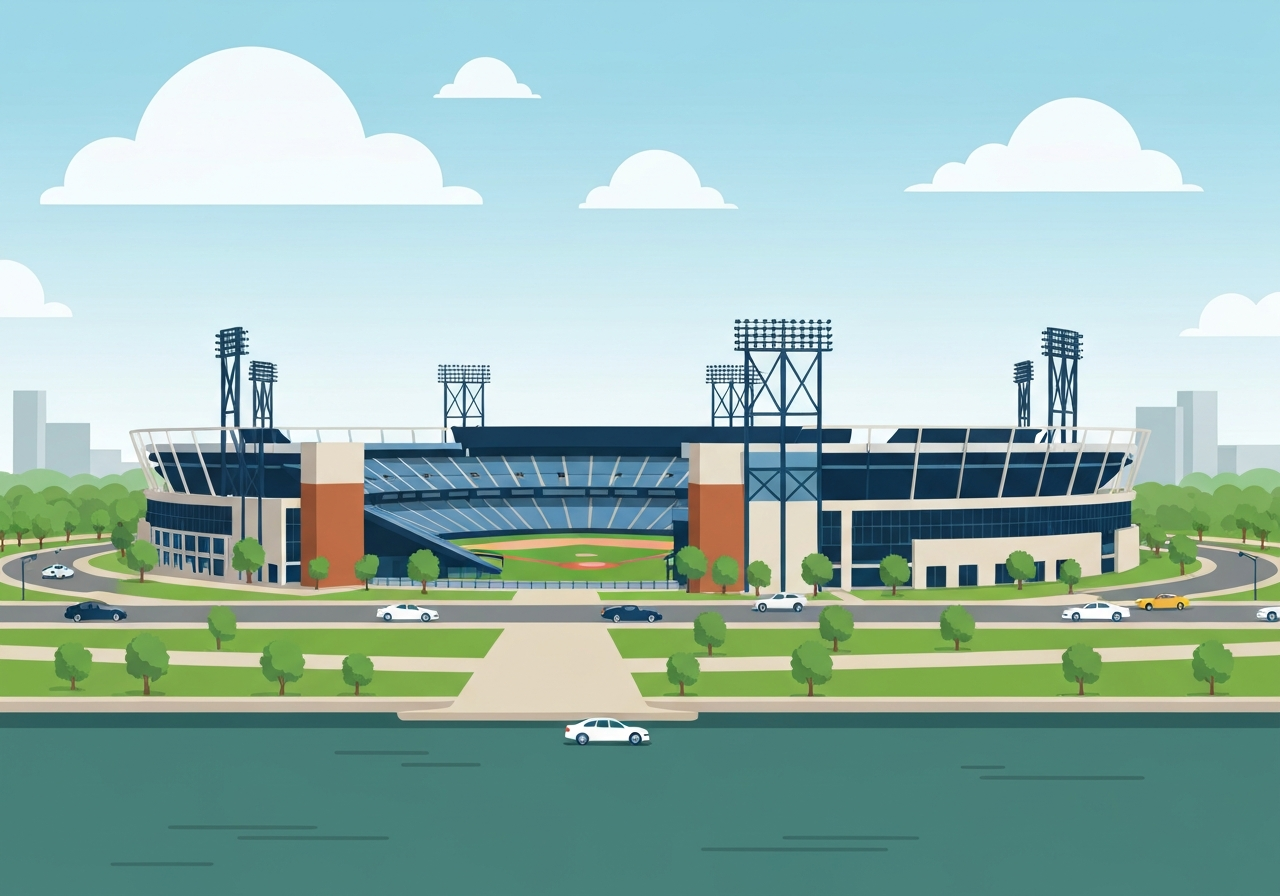
On Feb. 5, 2026, the Tampa Bay Rays released initial renderings for a proposed downtown Tampa ballpark and mixed-use complex at the Hillsborough College site. The images show a design that would seat approximately 31,000 fans and include adjacent entertainment, retail and public spaces. The package is an early step in a multi-stage effort that still requires land agreements, municipal approvals and financing commitments. The release has already reignited debate over location, public cost and the timeline for a potential move from Tropicana Field.
Key takeaways
- The Rays unveiled conceptual renderings on Feb. 5, 2026, for a stadium site at the Hillsborough College property in Tampa.
- The proposed ballpark would hold about 31,000 spectators, according to the team’s materials.
- Renderings show mixed-use elements—retail, entertainment and public plazas—intended to activate the surrounding blocks.
- The proposal is preliminary: land acquisition, zoning approvals and financing have not been finalized.
- Local leaders and residents have signaled a mix of support and concern over traffic, costs and neighborhood impact.
- The project would mark a major step toward replacing the Rays’ current home if approvals and funding proceed.
Background
The Rays have long explored alternatives to Tropicana Field amid declining attendance and repeated relocation discussions. Over the past decade the club and local officials examined multiple sites as they weighed options for a modern, MLB-caliber ballpark. Tampa’s growth and rising downtown development pressure have made riverfront and near-downtown parcels particularly attractive to teams seeking to boost game-day economics and year-round use.
Hillsborough College’s site emerged in planning conversations because of its central location and transit access, but the property’s disposition requires negotiations with the institution and city agencies. Public funding and private investment must be structured to meet municipal rules and state oversight, a process that typically involves environmental reviews, traffic studies and community hearings. Past stadium deals in other markets show that timelines from concept to groundbreaking often span several years.
Main event
The Rays released a set of renderings depicting a bowl-style ballpark with civic plazas and adjacent commercial development. According to the materials distributed on Feb. 5, the design emphasizes sightlines, pedestrian connectivity and multiple entry points intended to reduce congestion on game days. The visuals also include proposed entertainment venues and dining corridors intended to generate non-game-day foot traffic.
Rays officials characterized the package as an early vision rather than a final plan, and they signaled readiness to enter discussions with city leaders and community stakeholders. Municipal planners and elected officials have acknowledged receipt of the renderings; several said they would review details before committing to meetings on zoning or incentives. The team’s announcement did not include a formal financing plan or final construction schedule.
Public reaction was mixed within hours: some neighborhood groups praised the potential economic lift and downtown activation, while other residents cited concerns about displacement, parking and increased traffic. Business leaders flagged the potential for new commercial activity but said exact economic benefits hinge on final lease structures and long-term investment commitments. City staff noted that any public contribution would require council approval and transparent vetting.
Analysis & implications
If built, a 31,000-seat stadium in downtown Tampa would recalibrate the Rays’ market strategy by concentrating fans closer to the city core and transit links. That shift could increase game-day spending in nearby restaurants and hotels, and may allow the team to capture more premium ticket revenue. However, such gains depend on complementary investments—transit capacity, parking management and surrounding land-use controls—to convert renderings into sustained economic activity.
From a fiscal perspective, the key question is how costs would be allocated across private investors, team revenue streams and any public support. Large stadium projects often require complex public-private financing packages; negotiations typically hinge on projected tax increments, special districts or direct subsidies. The absence of a disclosed funding plan means fiscal risks remain unquantified for taxpayers and municipal budgets.
The regional political implications are significant: county and city leaders must weigh short-term construction impacts against long-term economic forecasts. Supporters argue the site could anchor downtown revitalization, while critics emphasize the opportunity cost of public funds and the risk of uneven neighborhood benefits. Legal and environmental reviews may also shape the viable project footprint and timetable.
Comparison & data
| Item | Approximate capacity |
|---|---|
| Proposed Rays stadium (renderings) | 31,000 |
| Current Rays home (Tropicana Field, approximate) | ~25,000 |
The renderings place the proposed stadium several thousand seats above the commonly cited capacity figures for Tropicana Field, reflecting a design that targets a mid-size MLB crowd. Seating and premium amenities are central to projected revenue models, but final capacity and configuration will depend on detailed architectural and code reviews.
Reactions & quotes
Team materials framed the images as an initial concept designed to prompt discussions with the city and public. Municipal officials said they will assess the filing through standard planning channels before taking positions.
“These are initial renderings showing what a ballpark and adjacent mixed-use development could look like at the Hillsborough College site.”
Tampa Bay Rays (team release)
Local stakeholders emphasized that community engagement and financial transparency will determine the proposal’s prospects. Business groups noted the potential upside if the project attracts year-round visitors, while neighborhood advocates urged careful review of displacement risks.
“We welcome a conversation but will scrutinize traffic, housing impacts and public costs as details emerge.”
City planning official (statement)
Unconfirmed
- Exact terms for acquiring or leasing the Hillsborough College property remain unconfirmed and subject to negotiation.
- There is no publicly released, detailed financing plan describing private investment levels or any proposed public contributions.
- Final stadium capacity, design alterations and construction timeline are not yet finalized and may change through approvals.
Bottom line
The Feb. 5, 2026 renderings mark a visible first step in a long and politically complex process to move the Rays to a downtown Tampa site. The images crystallize the club’s preferred scale—about 31,000 seats—and a mixed-use program intended to create year-round activity, but they do not commit land deals, funding or municipal approvals.
Over the coming months, expect focused scrutiny on financing, traffic and community impact studies, along with public hearings and negotiating sessions with city leaders. For residents and policymakers, the central questions will be whether the projected economic benefits justify any public investment and how the project will manage neighborhood effects if it proceeds.
Sources
- Tampa Bay Times — News report (initial public coverage of Rays renderings, Feb. 5, 2026)