
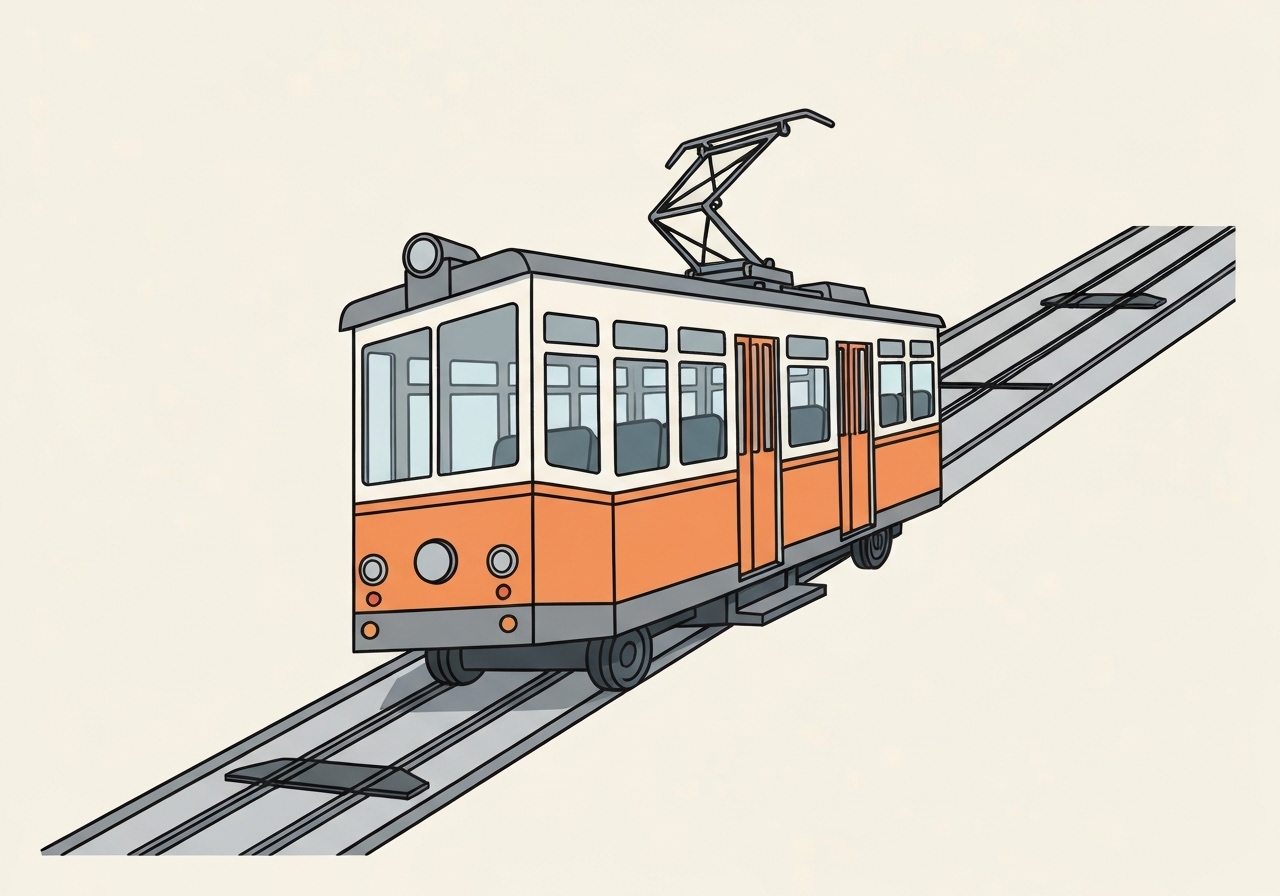
— Early investigators say a connecting cable gave way moments before the Gloria funicular derailed near Avenida da Liberdade in central Lisbon, causing a crash that killed 16 people, including 11 foreign nationals, and injured 21.
- The connecting cable linking the two cabins broke shortly before the accident, investigators report.
- The incident unfolded in under 50 seconds after the cabins lost balancing force.
- Inspectors found the cable had passed a visual check the same morning and the maintenance schedule was current.
- The yellow Gloria car veered off its tracks and struck a building on Avenida da Liberdade.
- Sixteen people died and 21 were wounded; 11 of the dead were foreign nationals.
- The tram involved has been in service since 1914.
- Two independent inquiries are under way: one by the GPIAAF and another by public prosecutors.
- A preliminary investigation report is expected within 45 days; a final report will follow later.
Verified Facts
Portugal’s air and rail accident investigations bureau (GPIAAF) released initial findings indicating the accident began when the cable linking the pair of funicular cabins disconnected. Inspectors said the cabins moved only about 6 metres (20 feet) before they lost the counterbalancing force the cable provided.
According to the preliminary timeline, the sequence that led to the derailment took place in less than 50 seconds. Emergency teams at the scene reported that the connecting cable appeared to have failed at the point where it attached to the upper cabin.
GPIAAF noted that the funicular had undergone a scheduled visual inspection the morning of the accident and that the maintenance plan was up to date. That inspection reportedly found no anomalies in the cable or braking systems prior to the crash.
| Metric | Value |
|---|---|
| Fatalities | 16 (including 11 foreign nationals) |
| Injured | 21 |
| Distance moved after failure | About 6 m / 20 ft |
| Vehicle in service since | 1914 |
| Preliminary report due | Within 45 days |
Context & Impact
The Gloria funicular is a historic yellow-and-white car that runs on a steep central Lisbon slope and is a familiar sight for residents and tourists. The collapse has been described by officials as one of the worst recent tragedies in the city.
The crash struck a busy stretch near Avenida da Liberdade, heightening concerns about the safety of heritage transport systems and prompting calls for thorough technical review of cable-driven railways across Portugal.
Authorities have mobilised search, rescue and victim-support services. The incident has also triggered an immediate review of inspection and maintenance practices for similar installations nationwide.
Two distinct probes—one technical and one judicial—are running in parallel, which investigators emphasise are independent and serve different legal and safety purposes.
“The scheduled maintenance plan was up to date, and a scheduled visual inspection had been conducted on the morning of the accident, which detected no anomalies in the vehicles’ cable or braking systems,”
GPIAAF (initial report)
Unconfirmed
- Whether material fatigue, a manufacturing defect, undetected internal cable damage, or external factors caused the cable to disconnect is not yet established.
- Full nationality breakdown and identities of all victims are pending confirmation from authorities and family notifications.
Bottom Line
Investigators have established that a connecting cable failed shortly before the Gloria funicular left its rails, triggering a rapid and deadly accident. With two separate inquiries ongoing and a preliminary report due within 45 days, officials say more definitive causes and safety recommendations will follow.