
Lead
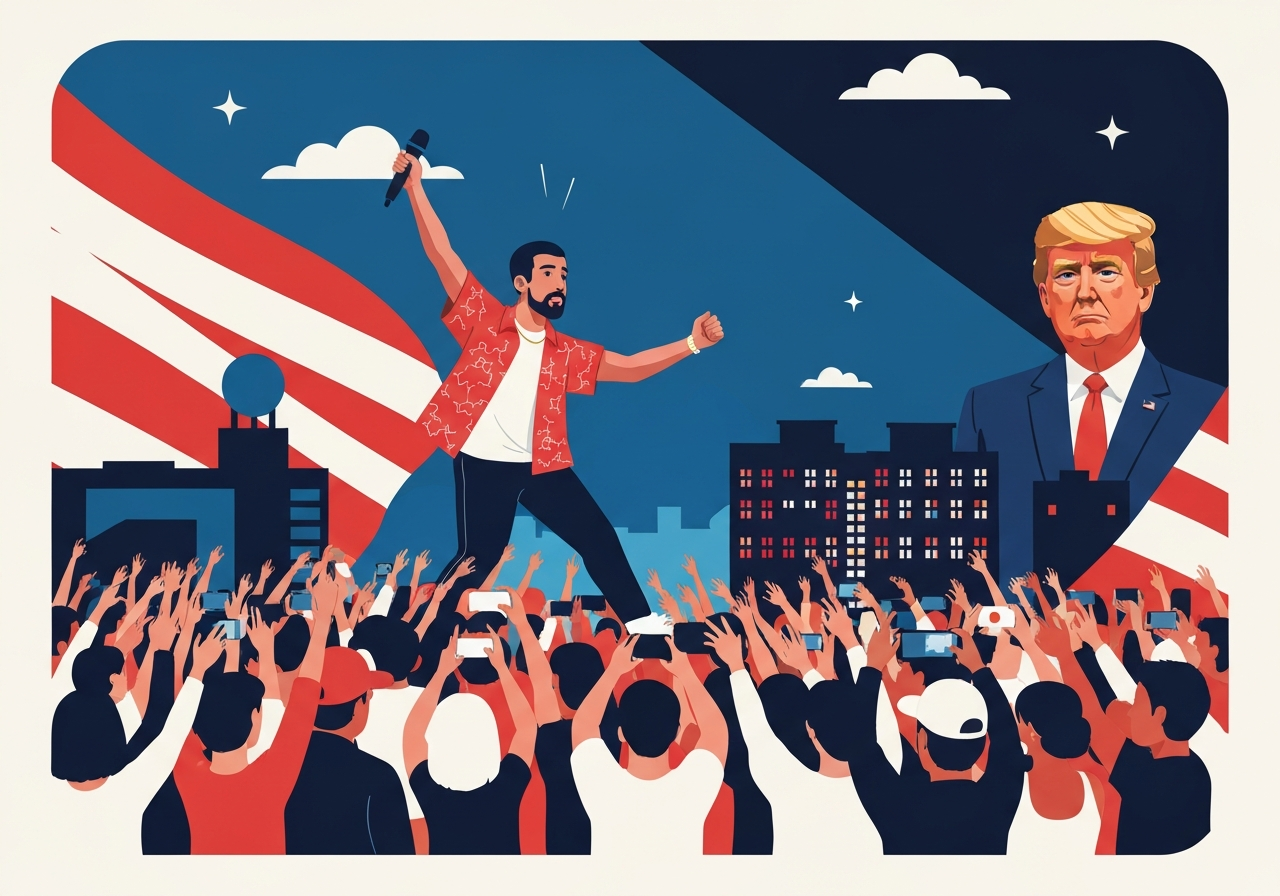
On Feb. 7, 2026, the Super Bowl halftime show by Puerto Rican star Bad Bunny and a wave of protests over an ICE crackdown have sharpened political tensions ahead of the US midterms. Republicans say slipping support on immigration and the economy, two issues that helped Donald Trump win in 2024, could be endangered by the cultural spotlight. The ICE enforcement actions that preceded nationwide demonstrations followed the killing of two Americans in Minneapolis, fueling public anger. Campaign strategists on both sides now see the halftime platform and street protests as intertwined factors that could shape turnout and messaging.
Key Takeaways
- Bad Bunny performed at the Super Bowl halftime show on Feb. 7, 2026, and has been an outspoken critic of the administration’s immigration policies.
- Republican operatives report rising concern that Trump’s 2024 advantages on immigration and the economy are eroding ahead of the 2026 midterms.
- ICE operations and an administration crackdown preceded protests nationwide after the killing of two Americans in Minneapolis, an incident central to recent unrest.
- Political analysts warn that high-profile cultural moments on massive stages can amplify grievances and alter turnout dynamics in competitive districts.
- Democratic campaigns are seizing the moment to highlight immigration policy and accountability, while some Republicans are framing the issue around law and order.
- The convergence of a global celebrity performance and street protests has intensified media coverage and public debate on immigration enforcement.
Background
Donald Trump won the 2024 presidential election with messaging that emphasized tightening immigration controls and reviving the economy, winning support from key voter blocs. Since then, immigration has remained central to policy and political debate, with the administration pursuing an assertive enforcement approach through agencies including ICE. That enforcement intensified after a high-profile fatal incident in Minneapolis, in which two Americans were killed; the deaths touched off demonstrations and sharpened criticism of enforcement tactics. Cultural figures such as Bad Bunny have increasingly used platforms to critique those policies, turning entertainment events into arenas for political expression.
The 2026 midterms arrive in a polarized environment where symbolic moments can carry electoral weight. Parties and campaigns are attentive to cues that could mobilize or demobilize voters: economic indicators, immigration incidents, and cultural signals from entertainers with global followings. Immigrant communities, suburban voters, and younger demographics who follow artists like Bad Bunny may respond differently than older or rural voters who prioritize enforcement. The interplay between policy actions, public reaction, and cultural commentary sets the stage for a campaign season in which messaging battles may be as important as policy proposals.
Main Event
Bad Bunny’s halftime performance on Feb. 7, 2026, drew enormous international attention and was framed by commentators and some activists as a direct cultural rebuttal to the administration’s immigration posture. Reporters noted that the artist has previously criticized immigration policy, and his visibility on one of the world’s biggest stages heightened scrutiny of Washington’s approach. At the same time, protests tied to recent ICE activity occurred in multiple cities, and organizers linked demonstrations to the Minneapolis killings that had provoked national outrage.
Republican officials privately and publicly expressed anxiety that the convergence of the halftime spectacle and protests could blunt their midterm messaging. Party strategists argue that perceived declines in support on immigration and economic stewardship threaten vulnerable races. Democrats and progressive groups moved quickly to spotlight the enforcement actions and the Minneapolis incident, casting them as evidence of policy excess and motivating their base. Media coverage amplified both the cultural performance and street-level unrest, making them daily talking points across cable and social platforms.
On the ground, demonstrations varied in size and intensity by city, with some events remaining peaceful and others prompting heavier police responses. Local officials in affected jurisdictions balanced public-safety duties with protections for free expression, while national actors weighed messaging that could resonate in key suburban and urban districts. The administration defended its enforcement priorities as matters of law and order, even as critics called for investigations and policy recalibration.
Analysis & Implications
The immediate political effect of a halftime performance and concurrent protests is inherently hard to quantify, but several plausible channels of influence exist. First, high-visibility cultural interventions can shift news cycles and prime voters to view immigration as the salient issue, benefiting the party that best controls the framing. Second, protests that spotlight enforcement outcomes can mobilize opposition turnout, particularly among younger and minority voters who are attentive to cultural figures and social justice narratives. Third, the administration’s attempt to present enforcement as strength could backfire if incidents are perceived as excessive or unaccountable.
For Republicans, the risk is twofold: losing messaging control and alienating persuadable voters in toss-up districts. If economic anxieties persist alongside immigration backlash, the party may face narrower paths to retaining or gaining seats. Democrats see an opening to consolidate a coalition around accountability and rights, using cultural champions like Bad Bunny to amplify outreach to younger Latinos and urban voters. Both sides will likely adjust ground tactics, ad buys, and targeted messaging in response to observed shifts in sentiment after the Super Bowl and protests.
Beyond immediate electoral math, the episode highlights the expanding role of cultural platforms in policy debates. Super Bowl viewership guarantees massive reach, and when entertainers address political issues, their impact can extend from social media to local organizing. Policymakers and enforcement agencies may confront greater reputational costs for actions that coincide with high-profile cultural backlash, prompting calls for more transparent oversight or recalibration of tactics to avoid political fallout.
Comparison & Data
| Context | 2024 Role | Early 2026 Spotlight |
|---|---|---|
| Immigration | Central theme in Trump 2024 campaign | Heightened by ICE operations and protests after Minneapolis killings |
| Cultural Influence | Limited direct electoral tie-ins | Amplified by Bad Bunny’s global halftime audience |
The table above maps qualitative shifts rather than new numeric polling, reflecting that the core change is about salience and narrative rather than a single data point. Campaigns will monitor district-level turnout and issue polling in the coming weeks to measure whether the cultural moment alters voter behavior in competitive seats.
Reactions & Quotes
the performance is expected to underscore the political and cultural divide
Bloomberg (news)
ICE activity and the Minneapolis killings have spurred protests nationwide
Bloomberg (news)
Republican strategists say slipping support on immigration and the economy could cost them the midterms
Bloomberg (news)
Explainer
Unconfirmed
- That the halftime show will decisively change midterm outcomes; causal effects on vote totals remain unverified and require post-election analysis.
- Precise nationwide turnout shifts tied directly to the Minneapolis killings or ICE actions have not been confirmed and need empirical measurement.
- Any internal polling that attributes movement solely to the halftime performance has not been released publicly and remains speculative.
Bottom Line
This convergence of a high-profile cultural performance and protests over ICE enforcement has intensified an already fraught midterm landscape, elevating immigration as a contested and highly visible issue. For Republicans, the episode poses strategic risks if it pushes persuadable voters away on immigration and economic concerns that were central to 2024 success. Democrats and progressive groups can leverage the moment to mobilize sympathetic constituencies and frame enforcement as a matter of accountability.
Ultimately, the electoral impact will depend on whether the cultural spotlight and protests shift turnout or persuasion in a meaningful way in battleground districts. Campaigns, media outlets, and researchers will now track polling, turnout data, and district-level results to determine how much this flashpoint mattered in the end.