
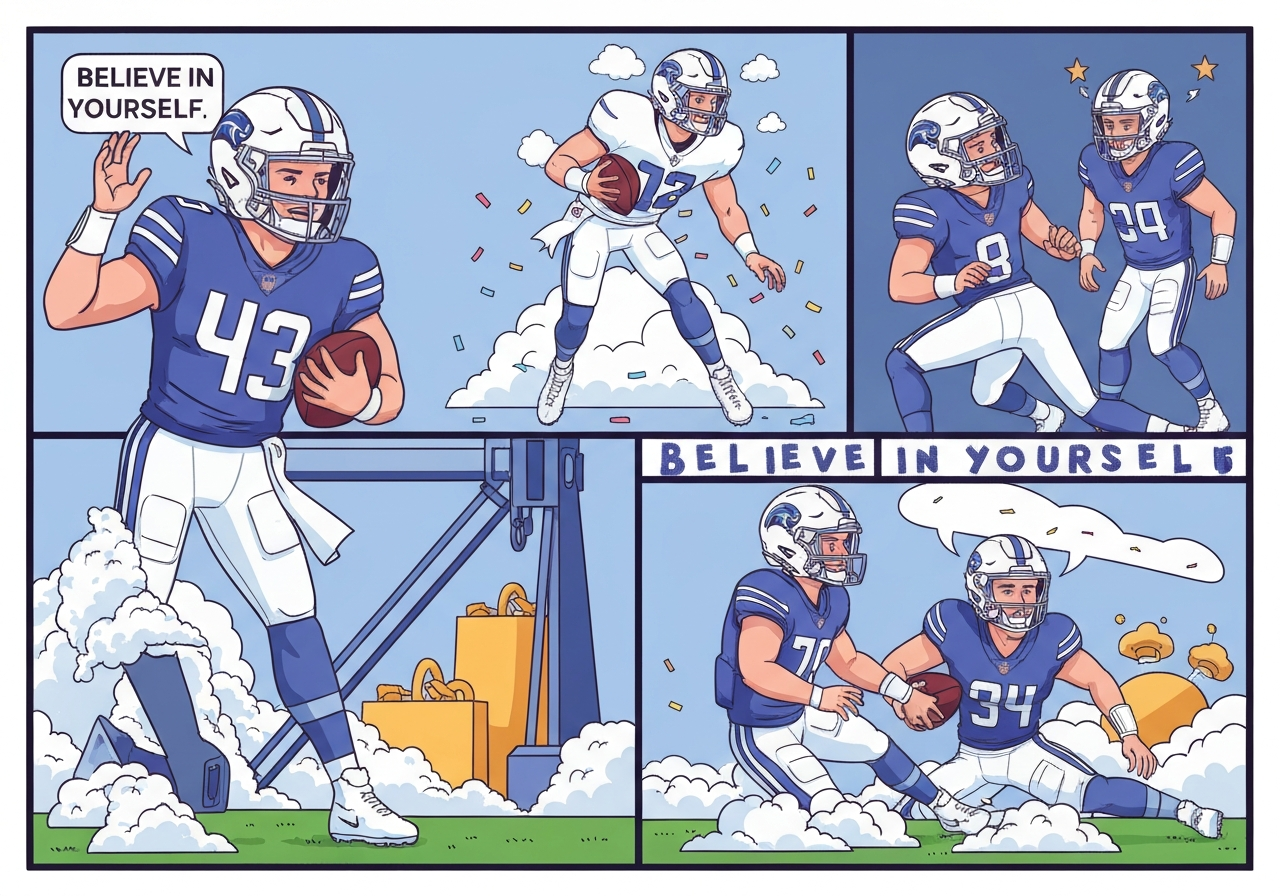
Sam Darnold, the Seahawks quarterback, capped an unlikely journey by becoming a Super Bowl champion in Super Bowl LX, a 29-13 Seattle victory over the New England Patriots. Once the No. 3 overall pick, Darnold was traded by the Jets three years after his selection and cycled through the Panthers and 49ers before his sixth season concluded. He reasserted himself with the Vikings last year and then led Seattle to the top of the NFC in the regular season. After the title game he praised teammates and reflected on his path in a postgame interview with Melissa Stark of NBC.
Key takeaways
- Darnold was part of a 29-13 Seahawks win over the Patriots in Super Bowl LX, finishing the game without costly turnovers.
- He was originally selected with the No. 3 overall pick and was traded by the Jets three years after that selection.
- Before completing his sixth NFL season he had stints with the Panthers and 49ers, then rebuilt value with the Vikings.
- With Seattle he helped the team finish atop the NFC during the regular season and reached the Super Bowl.
- In his postgame remarks Darnold said, “It’s unbelievable,” and later, “As long as you believe in yourself, anything is possible.”
- Darnold credited Seattle’s defense and special teams for the championship, singling them out in his comments to NBC.
Background
When a quarterback is picked third overall there is immediate expectation: starting jobs, long-term commitment and leadership responsibility. Darnold’s career did not follow that straightforward trajectory; he struggled to meet those expectations in New York and was traded three years after his draft selection. That early period set the tone for a peripatetic stretch in which he moved through Carolina and San Francisco before the end of his sixth season, a run that left many observers uncertain about his long-term outlook.
Opportunities to reset arrived when he joined Minnesota, where he regained form and confidence during the prior season. Seattle acquired him with an eye toward stabilizing the position and adding a veteran presence who had tasted both high expectations and adversity. The Seahawks’ coaching staff and supporting units—particularly a defense and special-teams group that proved decisive in the playoffs—provided the structure for Darnold to convert regained momentum into team success.
Main event
In Super Bowl LX, Seattle controlled the game tempo and limited the Patriots’ scoring chances. Darnold managed the offense with an emphasis on ball security, avoiding the turnovers that had derailed parts of his earlier career. The 29-13 final underscored a balanced team effort: the offense sustained drives, the defense created stops and special teams contributed field-position advantages.
Darnold did not replicate the statistically dominant performance he produced in the NFC Championship, but his conservative, mistake-free approach fit the game plan and preserved the lead when it mattered most. Postgame, he highlighted the collective effort over any single achievement, pointing to the defense and special teams by name and expressing pride in the roster’s resilience.
Speaking with Melissa Stark, Darnold framed his journey as one of persistence. He said the victory felt “unbelievable,” and when asked what others could take from his story he offered a succinct message about self-belief. Those remarks were seized upon as emblematic of a career that wandered but ultimately reached the sport’s summit.
Analysis & implications
Darnold’s title alters how his career arc will be evaluated. For a player once viewed as a draft disappointment, winning a Super Bowl with a team that climbed to the NFC’s top spot reshapes narratives about talent evaluation and the possibility of late-career reversals. Teams and evaluators may place greater emphasis on fit, coaching stability and surrounding roster quality when assessing quarterbacks with early setbacks.
For the Seahawks, the championship validates roster construction choices that prioritized defensive strength and situational football. Seattle’s ability to incorporate a quarterback with a mixed résumé into a complementary offensive scheme points to coaching and front-office flexibility. That model could influence how other franchises structure midseason acquisitions and one-year trials for veteran quarterbacks.
Economically, Darnold’s success could affect quarterback market dynamics, especially for middling veterans who demonstrate situational competence. If teams view such players as lower-cost, lower-risk upgrades who can thrive in the right system, demand for short-term veteran QBs may rise and contract structures could tilt toward incentives tied to team milestones rather than guaranteed salary alone.
At the individual level, Darnold’s legacy now includes a championship, which will factor into future evaluations by franchises, commentariat and fans. While long-term Hall of Fame considerations remain distant and performance-based, winning a Super Bowl is a durable credential that changes the baseline assessment of a career that once seemed imperiled.
Comparison & data
| Team | Situation | Notable outcome |
|---|---|---|
| New York Jets | No. 3 pick; early starter | Traded three years after selection |
| Carolina Panthers | Short stint | Departed before end of sixth season |
| San Francisco 49ers | Short stint | Departed before end of sixth season |
| Minnesota Vikings | Rebuild season | Regained form prior to joining Seattle |
| Seattle Seahawks | Starter; led NFC in regular season | Won Super Bowl LX (29-13) |
The table above places the major stops of Darnold’s career in context: an early high draft grade, a period of instability, a rebound with Minnesota and a culminating championship in Seattle. Those data points frame how clubs and analysts will reference his trajectory going forward.
Reactions & quotes
“It’s unbelievable.”
Sam Darnold
After the game Darnold used that single-word reaction to convey the personal magnitude of the achievement while immediately shifting praise to teammates and support staff.
“As long as you believe in yourself, anything is possible.”
Sam Darnold
When asked what lesson others might take from his path, Darnold offered this succinct mantra, which he suggested had guided him through years of uncertainty and roster changes.
Unconfirmed
- Whether Darnold intentionally paraphrased Kevin Garnett when he said “believe in yourself” is unconfirmed; no direct attribution was provided.
- Long-term effects on Darnold’s career earnings and contract offers are speculative and have not been finalized.
- How other teams will change their quarterback-evaluation models in direct response to this specific outcome remains to be seen.
Bottom line
Sam Darnold’s Super Bowl LX victory with the Seahawks reframes a career that many saw as derailed after an uneven start. His path—from a No. 3 overall pick to multiple team stops and then a championship—is a reminder that player valuation depends on context, system fit and opportunity as much as raw draft pedigree.
For Seattle, the title validates a construction that paired a competent, risk-averse offensive plan with a high-performing defense and special teams. For the league, the story offers a concrete example that resilience and situational alignment can produce the sport’s highest reward even after an inauspicious beginning.