
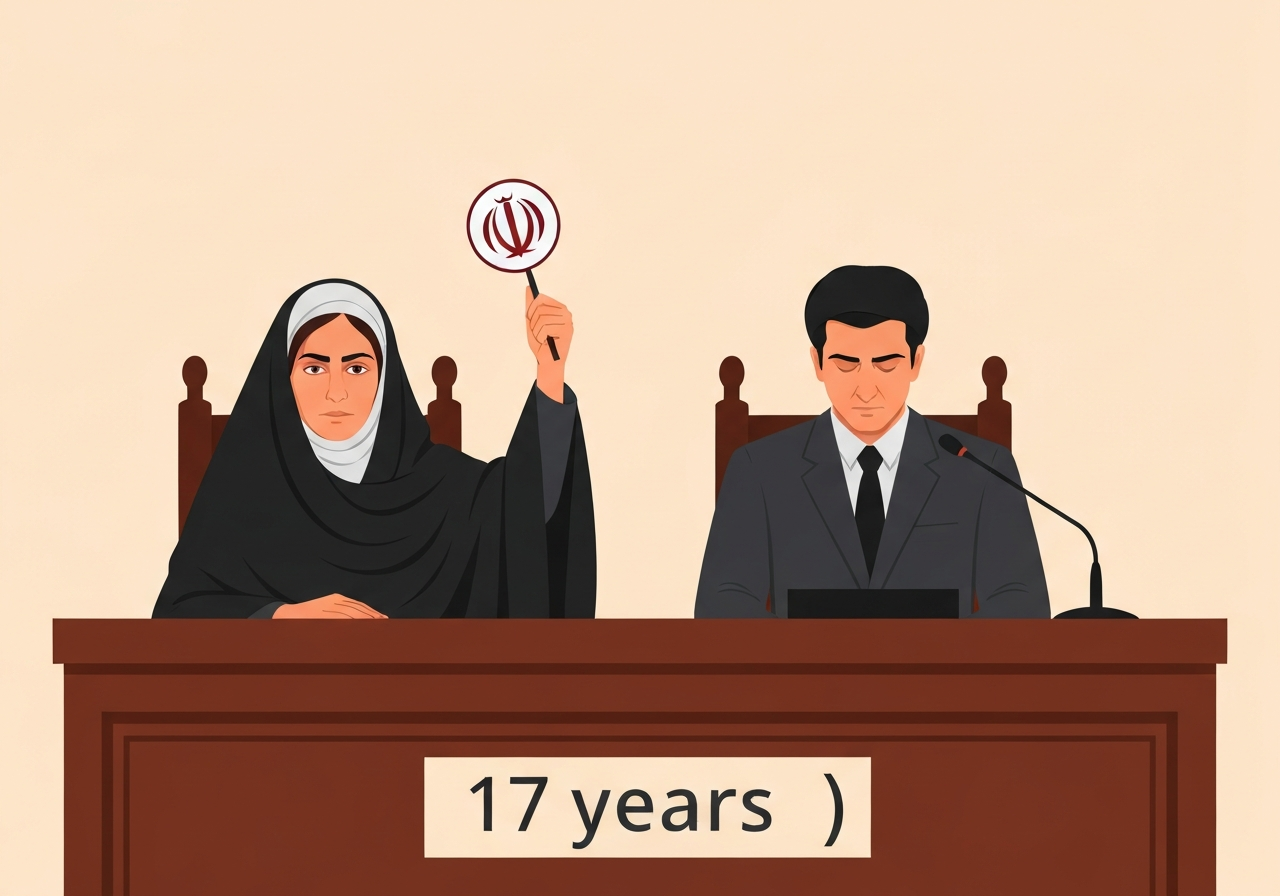
Lead: Narges Mohammadi, the 2023 Nobel Peace Prize laureate, was handed a new prison term on Feb. 8, 2026, bringing the total time she faces to 17 years, her foundation and lawyers said. The 53-year-old activist ended a six-day hunger strike on Feb. 8 after being hospitalized amid worsening health, the Narges Foundation reported. Authorities convicted her in a separate trial on charges of “assembly and collusion against national security” and “propaganda against the Islamic Republic,” and ordered a two‑year travel ban and internal exile to Khusf. Her legal team and rights advocates describe the proceedings as part of a broader crackdown on dissent following nationwide protests.
- New sentence: A court sentenced Ms. Mohammadi to more than 7.5 years in a new case, bringing her cumulative term to 17 years, according to the Narges Foundation and lawyer Chirinne Ardakani.
- Hunger strike and health: She began a hunger strike in early February to protest detention and lack of medical access and ended it after six days when hospitalized due to deteriorating health.
- Prior convictions: Ms. Mohammadi previously served a 10-year sentence at Evin prison and received a medical furlough in 2024 before being rearrested in late December in Mashhad.
- Additional restrictions: The court imposed a two-year ban on international travel and ordered two years of internal exile to Khusf, more than 450 miles from Tehran.
- Allegations of mistreatment: Family members report she told them she was beaten after her December arrest and briefly required hospital care.
- Context of repression: Lawyers say the trial occurred amid a broad government campaign targeting activists after mass protests swept Iran.
Background
Narges Mohammadi has been a central figure in Iran’s rights movement for more than a decade, campaigning against the death penalty, mandatory hijab rules and the use of prolonged solitary confinement. Her activism led to repeated arrests and prison terms; in 2023 she was awarded the Nobel Peace Prize while serving a 10‑year sentence at Tehran’s Evin Prison. In 2024 she received a medical furlough to treat several health problems, a temporary release that preceded her December rearrest at a memorial in Mashhad for a prominent human rights lawyer.
The political environment in Iran has grown increasingly repressive since large-scale protests erupted in recent years, prompting a wide-ranging security response from authorities. Human rights groups and legal advocates say courts have broadened the use of national-security statutes to criminalize peaceful dissent. Ms. Mohammadi’s case has become emblematic for international campaigners who argue that the judiciary is being used to silence prominent critics and deter public mobilization.
Main Event
On Feb. 8, 2026, the Narges Foundation and Ms. Mohammadi’s lawyers announced that a new court had convicted her on charges described as threats to national security and anti‑state propaganda. The sentencing adds more than seven years to the 10 years she was already serving, lifting her total to 17 years behind bars, the foundation said. Her legal representative, Chirinne Ardakani, characterized the trial as unjust and part of a larger campaign against dissent that intensified after the mass protests.
Ms. Mohammadi was arrested in late December at a memorial event in Mashhad and, according to family accounts, said she had been beaten during the arrest and briefly required hospitalization. The new sentence reportedly stems from actions during her 2024 medical furlough. In addition to imprisonment, the court ordered a two‑year travel ban and internal exile to Khusf, depriving her of residence in Tehran for a further two years.
She began a hunger strike in early February to protest what she and supporters called unlawful detention and denial of adequate medical care. After six days without solid food and amid health decline, the foundation said she was hospitalized and then ended the strike. Her family and lawyers had limited contact with her; the foundation reported she had not been permitted family or legal calls since Dec. 14 and was allowed a brief call with lawyer Mostafa Nili on Feb. 8.
Analysis & Implications
Domestically, the new sentence reinforces a chilling environment for prominent activists: stacking multiple convictions and extra-legal restrictions such as internal exile and travel bans increases the barriers to advocacy and civic organizing. For Iran’s human-rights community, Mohammadi’s case may serve as both a rallying point and a warning that visible dissent carries escalating personal cost. Courts’ repeated application of broadly worded national security charges allows authorities flexibility to criminalize a wide range of activities.
Internationally, the sentence complicates Tehran’s relations with democratic governments and rights bodies that have repeatedly condemned the jailing of dissidents. The Nobel Peace Prize elevated Ms. Mohammadi’s profile, and her continued imprisonment is likely to keep diplomatic and NGO attention focused on Iran’s human-rights record. That attention can translate into pressure—statements, sanctions, or targeted measures—but past responses have produced limited immediate change in Iran’s domestic judicial practices.
Medically, the case raises urgent questions about access to care for prisoners with known health problems. Authorities granted a medical furlough in 2024, which underscores both recognition of her health needs and the fragility of that accommodation when political priorities shift. Denial of timely medical attention for high‑profile prisoners can compound international criticism and increase the reputational cost to the state, even as the authorities appear willing to accept those costs when pursuing security objectives.
Comparison & Data
| Year | Sentence (years) | Notes |
|---|---|---|
| Prior to 2024 | 10 | Served at Evin prison; Nobel Prize awarded in 2023 in absentia |
| Feb. 2026 | +7.5 | New conviction for assembly/collusion and propaganda |
| Total | 17 | Includes travel ban and 2 years internal exile |
The tally shows how successive prosecutions can result in cumulative sentences well beyond an initial term, a pattern seen in other high‑profile Iranian dissidents’ cases. The added penalties—travel restrictions and residence mandates—extend control over daily life even after release from formal incarceration.
Reactions & Quotes
“The trial against Narges Mohammadi is unjust and part of wider repression against dissenting voices,”
Chirinne Ardakani, human rights lawyer (Narges Foundation)
Ardakani linked the case to a broader government campaign in response to mass protests, framing the sentence as politically motivated. The statement was issued by the foundation representing Ms. Mohammadi and has circulated among international rights groups.
“She was denied meaningful access to family and counsel for weeks, which amplifies concerns about due process,”
Mostafa Nili, defense lawyer (reported)
Nili confirmed a brief legal call on Feb. 8 and described restrictions on communication. Lawyers and relatives have repeatedly cited curtailed contact as an obstacle to mounting an effective defense.
“Her hospitalization and the decision to end the hunger strike reflect serious medical deterioration,”
Narges Foundation (statement)
The foundation, based in France, has monitored her condition and publicized the timeline of her hunger strike and subsequent hospitalization to international audiences and rights organizations.
Unconfirmed
- Independent verification of the alleged beating during her December arrest is lacking; reports come from family accounts and have not been substantiated by third-party medical records publicly available.
- Details of the evidence used in the Feb. 8 trial—such as specific acts or documents cited—have not been made public, limiting outside assessment of the legal basis for the convictions.
- The precise terms and enforcement mechanisms for her internal exile and travel ban (e.g., monitoring arrangements) have not been disclosed by official sources.
Bottom Line
Narges Mohammadi’s new sentence—pushing her cumulative prison time to 17 years—signals a continuing pattern in which Iranian authorities use successive prosecutions and ancillary restrictions to neutralize prominent dissidents. The combination of lengthy prison terms, travel bans and internal exile reduces an activist’s ability to maintain networks and public influence even beyond incarceration. Her hospitalization and the six‑day hunger strike underscore the acute health and humanitarian dimensions of detaining politically sensitive prisoners.
For international observers, Mohammadi’s case will likely remain a focal point for criticism of Iran’s human‑rights practices and could sustain pressure from governments and rights organizations. Yet past responses have delivered limited change to judicial behavior in Tehran, suggesting that while diplomatic and advocacy attention is important, it may not by itself alter immediate outcomes for individuals. Monitoring her health, access to counsel, and the transparency of legal proceedings will remain priorities for rights groups and foreign governments in the near term.
Sources
- The New York Times — international news report