
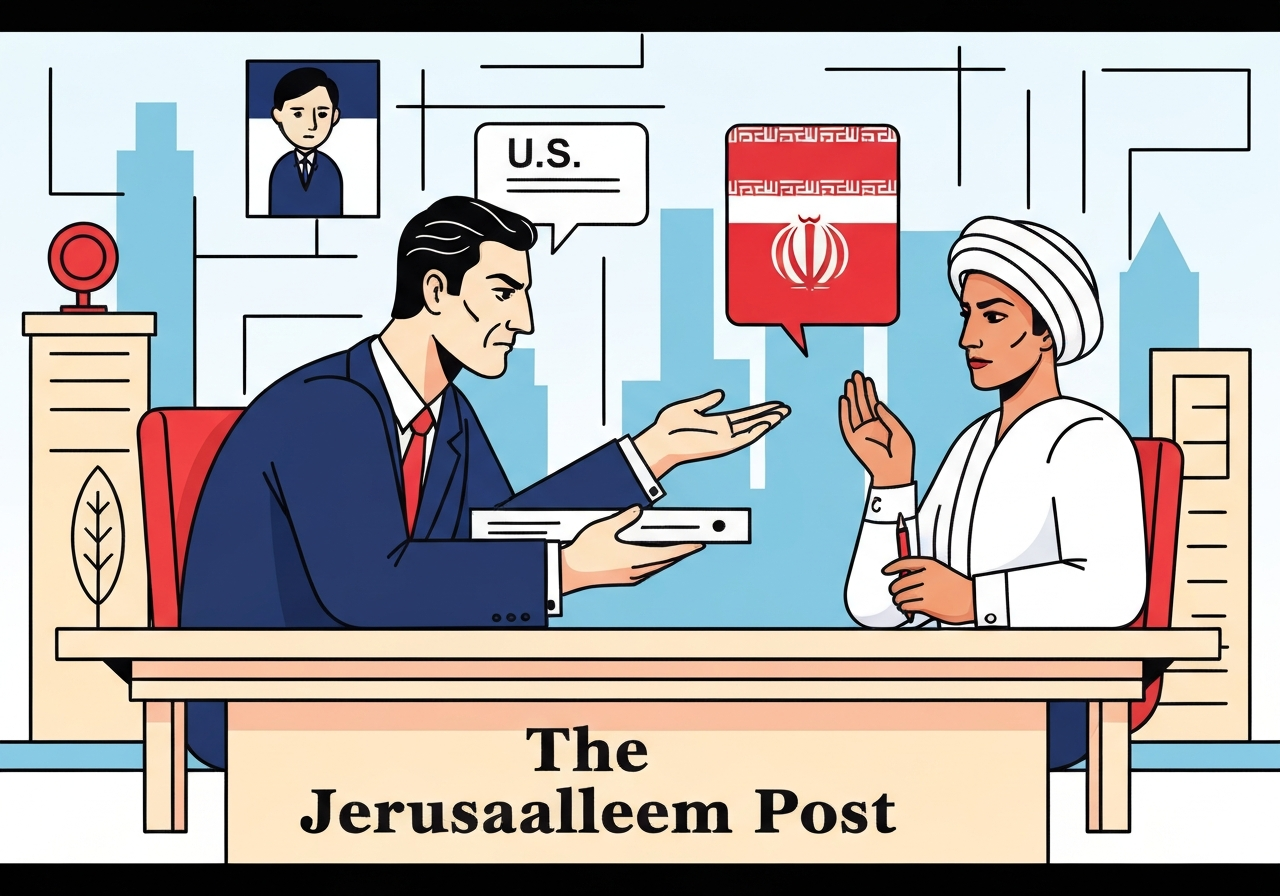
Lead: The Trump administration told Iranian delegates they must come to their next round of talks with substantive concessions after a preliminary meeting in Oman on Friday, two US sources told The Jerusalem Post on February 8, 2026. The Iranian delegation was led by Foreign Minister Abbas Araghchi, who said a complete halt to uranium enrichment is unacceptable and that enrichment must continue for peaceful purposes. US envoys — including special envoy Steve Witkoff, Jared Kushner and CENTCOM Commander Adm. Brad Cooper — met Araghchi in Muscat to set the framework for further negotiations. Israel has signaled intense interest: Prime Minister Benjamin Netanyahu planned a White House visit this week to discuss the issue with President Donald Trump.
Key Takeaways
- Friday, February 6, 2026: US envoys Witkoff, Kushner and Adm. Brad Cooper met Iran’s Foreign Minister Abbas Araghchi in Oman to discuss how future talks will proceed.
- The US has told Tehran it expects “meaningful substance” at the next meeting, according to two people briefed on the talks who spoke to The Jerusalem Post.
- Iran rejects a full halt to uranium enrichment; Araghchi said enrichment must continue under assurances it is for peaceful use only.
- Tehran insists ballistic missiles and regional proxy activity are off the negotiations’ agenda; Israel insists those topics must be addressed.
- Israel’s security cabinet reiterated demands to prevent Iran from obtaining nuclear weapons, limit ballistic missiles, and end support for proxy groups.
- Iranian Army Commander Maj.-Gen. Amir Hatami said Iranian forces are monitoring regional activity and are prepared to respond to aggression.
- Officials described the Oman meeting as procedural and focused on process rather than resolving core disputes; the US expects concrete proposals next session.
Background
Diplomatic engagement over Iran’s nuclear program has a long history, most recently anchored by the 2015 Joint Comprehensive Plan of Action (JCPOA). Since the US withdrawal from the JCPOA and subsequent policy shifts, talks have alternated between stasis and episodic, lower-profile contacts aimed at testing openings. Nuclear enrichment levels, stockpile limits and verification measures remain the core technical issues, while ballistic missiles and regional proxy activities are persistent regional security concerns.
Iran frames its nuclear activities as a sovereign right for peaceful energy and research, insisting on enrichment capacity subject to assurances. Regional actors — notably Israel and several Gulf states — view Iran’s missile development and proxy networks as integral to any comprehensive security solution. The mix of domestic politics in Tehran, Washington’s strategic priorities, and allied security anxieties complicates negotiators’ ability to bundle concessions across disparate issue sets.
Main Event
On Friday in Oman, US special envoy Steve Witkoff, presidential adviser Jared Kushner and Adm. Brad Cooper met Iran’s Abbas Araghchi and other senior Iranian officials. Sources described the session as a constructive first encounter that concentrated on how negotiations would be organized rather than on final terms. Officials from both sides used the meeting to set expectations and to identify topics for future, more substantive sessions.
US interlocutors communicated that the next session should include tangible offers from Tehran on the nuclear file and related security concerns. According to sources who spoke to The Jerusalem Post, Americans want a clear, verifiable package rather than open-ended assurances. Iranian statements after the meeting emphasized that enrichment cannot be completely suspended and that any talks should preserve Iran’s right to peaceful nuclear activity.
Tehran also pushed back on expanding the agenda. Araghchi explicitly ruled out making Iran’s missile program and regional alliances the subject of this negotiation track, saying the talks should focus on nuclear scenarios in which enrichment continues under safeguards. Israel’s leaders, by contrast, have urged that missiles and proxies be part of any negotiation, underscoring a fundamental agenda disagreement between Tehran and its regional adversaries.
Within Israel, the security cabinet met on Sunday to review the unfolding diplomacy. Officials reiterated a position that talks must ensure Iran cannot acquire nuclear weapons and that restrictions on missile development and proxy support be included. Iran’s military leadership publicly warned that its forces remain alert, describing the presence of US naval assets in the region as familiar and within Tehran’s long-standing security calculus.
Analysis & Implications
The demand from Washington that Tehran arrive with “meaningful substance” signals a shift from exploratory contact to conditional engagement: the US appears to be testing whether Iran is willing to convert process into measurable concessions. If Iran declines to narrow centrifuge activity or stockpiles, talks risk returning to a stalemate. Verification and intrusive monitoring will likely be central bargaining chips and sources of friction.
Tehran’s refusal to accept a full stop on enrichment narrows the set of outcomes acceptable to both sides. For Iran, maintaining enrichment capacity is a domestic political and strategic priority; for the US and Israel, perceived breakout risk is the core concern. That divide makes parity-style compromises (e.g., limits on enrichment levels combined with enhanced inspections) the most plausible near-term option, but such packages require detailed verification protocols.
Israel’s insistence on linking missiles and proxy activity to the negotiations raises the prospect of either a wider diplomatic package or a bifurcated process in which nuclear issues are negotiated separately from regional security concerns. A bifurcated approach may allow quicker progress on technical nuclear restraints but leaves open the risk that unresolved missile and proxy questions sustain regional tensions and potential escalatory cycles.
Domestically, Iran’s leadership must balance external concessions with internal political stability; any deal perceived as excessive weakness could provoke backlash from hard-line factions. On the US side, the Trump administration’s willingness to press for concrete terms now reflects both political calculus ahead of international timelines and allied demands, particularly from Israel, for clear safeguards against nuclearization.
Comparison & Data
| Issue | 2015 JCPOA | Current Talks (Feb 2026) |
|---|---|---|
| Uranium enrichment | Limits on levels and stockpile; extended breakout timelines | Iran insists on continued enrichment; US seeks verifiable limits |
| Ballistic missiles | Not comprehensively restricted by JCPOA | Israel demands restrictions; Iran excludes missiles from agenda |
| Regional proxies | Outside JCPOA scope | Israel wants them addressed; Iran says off the table |
The table highlights continuity and divergence from the 2015 framework. While JCPOA-era measures focused on enrichment limits and verification, the current discussions reflect a renewed push by regional actors to fold missile and proxy concerns into any settlement — a shift that could complicate negotiations and lengthen timelines.
Reactions & Quotes
Israeli officials framed the diplomacy as a test of Tehran’s intentions and stressed ready responses if Iran violates Israeli sovereignty. Ahead of his White House trip, Prime Minister Netanyahu emphasized the need for hard guarantees on both nuclear and missile-related threats.
“The discussions should focus on scenarios in which uranium enrichment continues, alongside assurances that the enrichment is solely for peaceful purposes.”
Abbas Araghchi, Iranian Foreign Minister
Iran’s foreign minister reiterated Tehran’s position that enrichment cannot be halted, while calling for safeguards and verification to assure peaceful intent. That posture appeared aimed at preserving domestic political ground while engaging diplomatically.
“Time and again, the Iranian regime has proven that its promises cannot be trusted. Any such attempt will be met with force and decisive action.”
Official Israeli security cabinet talking points
Israeli cabinet material distributed before a security session stressed mistrust of Tehran and warned of severe consequences for perceived aggression. Those remarks underline how Israel’s security calculus is shaping allied pressure on Washington to secure stringent terms.
“We have seen [US ships in the region] many times over the past decades. Our air forces are ready to respond.”
Maj.-Gen. Amir Hatami, Iranian Army Commander
Iranian military leaders framed routine vigilance as preparedness to reply to any aggression, signaling Tehran’s desire to deter military escalation while engaging in talks.
Unconfirmed
- Whether Iran will present concrete, verifiable numerical limits on enrichment at the next meeting remains unconfirmed and was not specified by officials.
- No public, verifiable list of possible US or Israeli concessions was shared; specific tradeoffs under discussion have not been confirmed.
- Claims that missile and proxy issues will be excluded from all future tracks are unverified; negotiations may evolve to include or exclude them depending on political dynamics.
Bottom Line
The Oman meeting marked a cautious step from exploratory diplomacy toward conditional engagement: Washington has asked Tehran to bring substantive, verifiable proposals, while Iran has drawn a firm line against halting enrichment. The core technical dispute — how to limit enrichment while providing Iran political space and domestic credibility — remains unresolved and will determine whether these contacts progress into a negotiated package.
Regional actors, particularly Israel, will continue to press for missile and proxy constraints, raising the stakes and complexity of any comprehensive deal. In the near term, watch for the content of the next session and for diplomatic moves around Prime Minister Netanyahu’s White House meeting; concrete, inspectable measures will be the decisive factor for whether this track advances or stalls.
Sources
- The Jerusalem Post — media report (original article covering the Oman meeting and officials’ statements).
- Tehran Times — Iranian press (reported Iranian reactions and photo coverage referenced in reporting).