
Lead
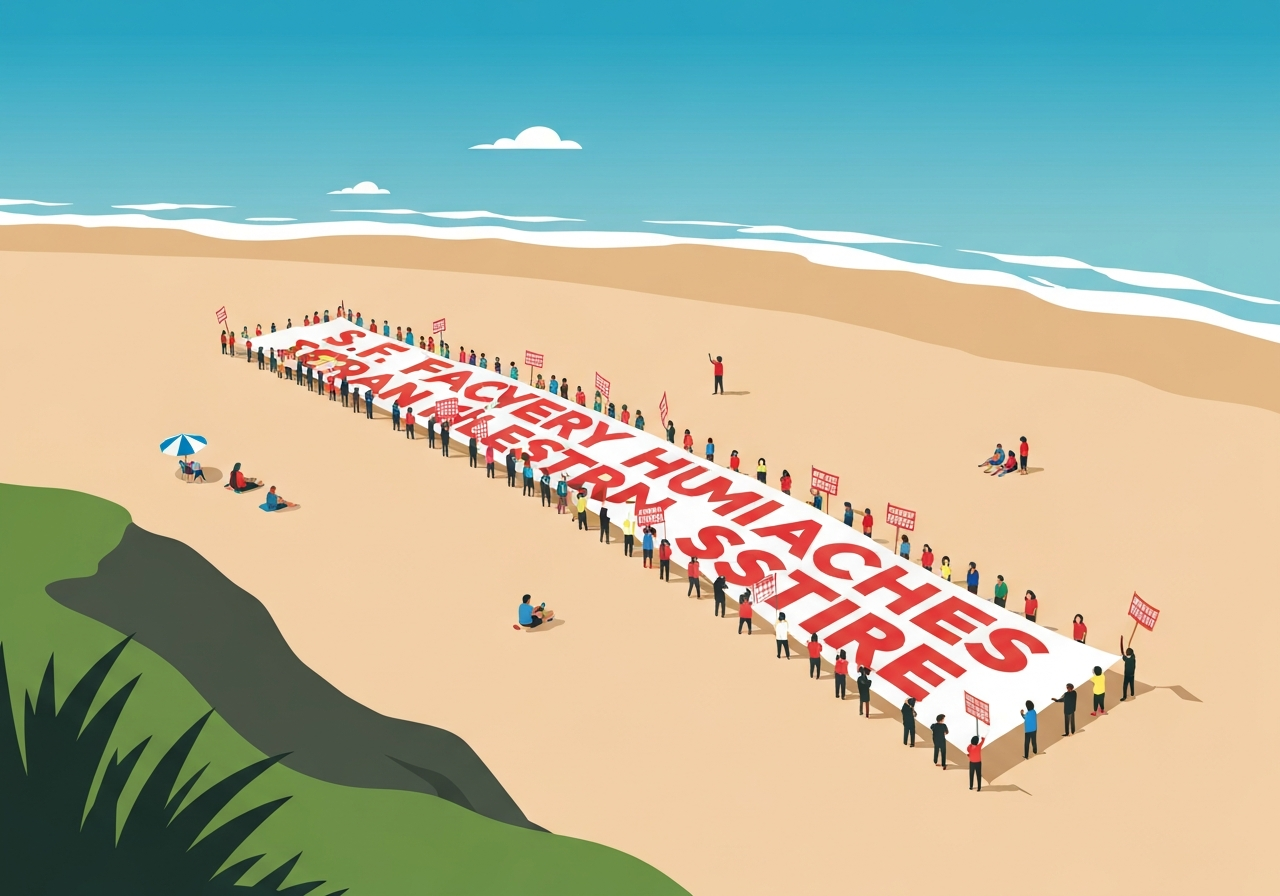
San Francisco teachers entered their third day of striking on Wednesday, Feb. 11, 2026, as negotiators from the district and the union met again while schools remained closed to the district’s roughly 48,000 students. Union supporters staged a noon gathering at Ocean Beach that formed a human banner reading “FOR OUR STUDENTS STRIKE” to press demands on pay and cost-of-living issues. Talks resumed at 11 a.m. Wednesday after union negotiators walked out late Tuesday, prompting officials to warn of continued closures while a deal timeline remained uncertain. City leaders urged both sides to stay at the table until a contract is settled.
Key Takeaways
- The strike reached its third day on Feb. 11, 2026, keeping schools closed to about 48,000 SFUSD students.
- Negotiations resumed at 11 a.m. Wednesday after union representatives left talks around 10 p.m. Tuesday without reviewing the district’s latest offer.
- Union supporters staged a human banner at Ocean Beach at noon to dramatize demands focused on student resources and educator pay.
- SFUSD Superintendent Maria Su described the district’s proposal as “generous,” while stressing fiscal constraints and state controls on spending.
- The district notified parents that schools would remain closed Thursday to give families time to make arrangements amid unclear timing for a settlement.
- The union issued a late-night bargaining update criticizing the district’s priorities and said members would continue picket actions the next morning.
- Mayor Daniel Lurie publicly pressed both sides to remain at the bargaining table but declined to take sides in the dispute.
Background
San Francisco’s strike is the first teachers walkout the city has seen in nearly 50 years and reflects long-running tensions over compensation, benefits and the high local cost of living. Educators and their union have argued that current pay and housing realities make it difficult to retain and recruit staff, pointing to San Francisco’s steep rents and wages that have lagged behind living costs. District officials counter that rising labor costs must be balanced against an overall fiscal picture that includes state-imposed limits and obligations that can force trade-offs elsewhere in the budget.
The main parties are the United Educators of San Francisco (the teachers’ union), San Francisco Unified School District (SFUSD) management and elected city leaders, including the mayor and school board members who face political scrutiny. Parents, students and community groups have been drawn into the dispute—some joining picket lines or organizing support events—while others scramble for childcare and work coverage. Past contracts and regional bargaining outcomes provide a reference point, but the city’s unique housing market and budget context shape this round of talks.
Main Event
On Tuesday night, district officials say union negotiators left the bargaining location shortly before 10 p.m. as the district prepared to present a new proposal and kept the labor side updated every 30 minutes. Union leaders told district negotiators they would return the following morning; talks then resumed at 11 a.m. Wednesday. The departure prompted public rebukes from city officials asking both sides to negotiate continuously until a deal was reached.
Superintendent Maria Su told reporters Wednesday that district negotiators had been ready to bargain overnight and characterized the current proposal as a significant boost in compensation and health benefits. She emphasized the district’s fiscal constraints, saying each spending increase would require offsetting cuts elsewhere and noting the state’s role in district finances. District officials also announced schools would stay closed Thursday because uncertainty remained over when a settlement would be finalized.
Union communications circulated late Tuesday criticized the district’s priorities and pledged continued strike activity, including pickets and a planned noon gathering on Ocean Beach where supporters created a large human banner reading “FOR OUR STUDENTS STRIKE.” Parents and community members joined some picket lines, and a number of families planned to rally near the War Memorial building where negotiations were held to press for the district to meet the educators’ demands.
Analysis & Implications
The standoff highlights a common tension in high-cost cities: how to reconcile demands for teacher pay that reflects local living costs with constrained district budgets. If the parties move toward a deal with material pay increases, SFUSD will face near-term fiscal pressure to identify offsets or seek new revenue sources, which may prompt future debates at the school board and state levels about funding formulas and priorities.
Politically, the strike puts pressure on city leaders and school board members to show they can broker a settlement that stabilizes staffing without destabilizing district finances. Mayor Lurie has framed his role as facilitator, urging continuous bargaining; how effectively he and local officials help bridge the gap could affect public perceptions of city leadership and shape electoral politics around education.
For families and students, the immediate implications are disruption and lost instructional time. Prolonged closures tend to widen disparities if families with fewer resources cannot secure alternate care or learning supports. Operationally, any agreement will need clear implementation timelines for pay changes, staffing plans and measures to limit churn among educators.
Comparison & Data
| Metric | Feb 2026 Strike | Typical SFUSD School Year |
|---|---|---|
| Students affected | ~48,000 | ~48,000 |
| Days of strike (as of Feb. 11) | 3 | 0 (normal) |
| Past local strike precedent | First in nearly 50 years | None in recent decades |
The table summarizes immediate scale and historical context: the strike affects the district’s entire enrollment and is historically rare in the city. While district officials have described their offer as substantial, public details on dollar figures and specific concessions remain limited, complicating external assessment of whose proposal is closer to a sustainable settlement.
Reactions & Quotes
“What I asked of the educators, what I ask of the district today is get back to the table this morning, stay there until a deal gets done.”
Mayor Daniel Lurie (public statement)
“We have been ready to negotiate this entire time. We are prepared and committed to getting this agreement done today.”
Superintendent Maria Su (district statement)
“If the last 48 hours have taught us anything, it is that the district has a priorities problem.”
Union bargaining update (late-night communication)
Unconfirmed
- Precise financial terms of the district’s most recent proposal have not been publicly released and remain unverified.
- Reports that union negotiators were formally “dismissed” by district staff are based on district statements; the union’s account of the late-night departure has not been fully detailed publicly.
- Predictions that the strike will extend beyond Thursday are speculative until both parties disclose progress or a tentative agreement is reached.
Bottom Line
The strike reflects competing priorities: educators seeking pay and conditions aligned with San Francisco’s cost of living, and a district constrained by a complex fiscal picture that it says leaves little uncommitted revenue. Both sides have incentives to reach a deal quickly—educators to restore classroom stability and the district to avoid prolonged disruption—but political and budgetary realities could prolong bargaining.
Near-term, families should expect continued uncertainty as the district announced another day of closures to give parents time to plan. Watch for a possible late-night bargaining update or a mediated agreement; any settlement will need to address implementation timing and fiscal offsets to be sustainable.
Sources
- San Francisco Chronicle — local news report on the strike and negotiations (Feb. 11, 2026)
- San Francisco Unified School District — official district site and public statements (official)
- United Educators of San Francisco (UESF) — union communications and updates (union official)