
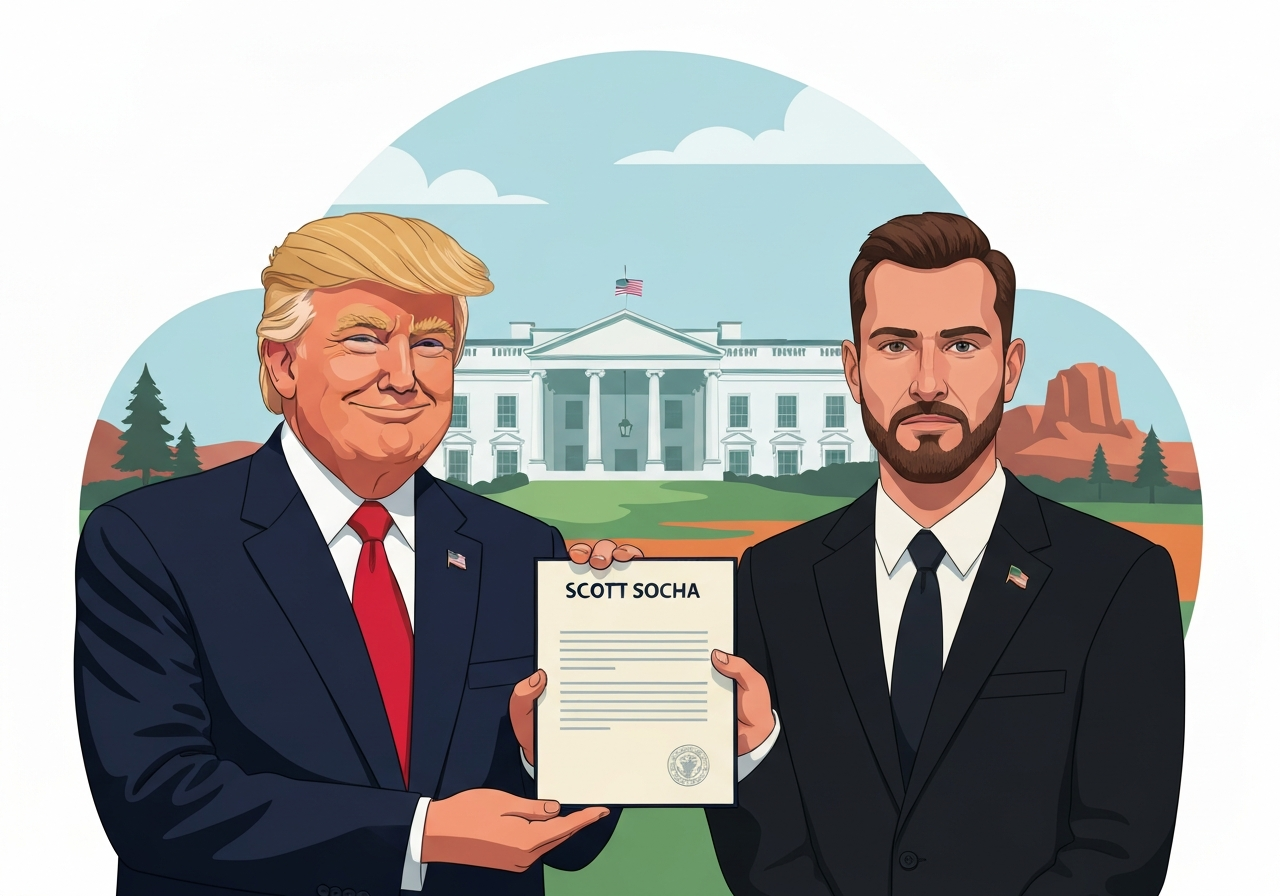
President Donald Trump has nominated Scott Socha, a long-time Delaware North hospitality executive, to serve as director of the National Park Service (NPS). The nomination, announced on 12 February 2026, arrives as the agency contends with a reported 25% reduction in staff and heightened scrutiny over how historic sites are interpreted. Socha, who has managed concessions and lodging tied to multiple parks for nearly three decades and led new business development since 2017, would require Senate confirmation to assume the post. His selection has prompted opposition from conservation groups citing his corporate ties and a prior legal dispute over Yosemite place names.
Key Takeaways
- Scott Socha was nominated by President Trump on 12 February 2026 to lead the National Park Service; the post requires Senate confirmation.
- Socha spent 27 years at Delaware North, which operates hospitality services in seven national parks and manages lodging in five gateway communities.
- The Park Service has reportedly lost roughly 25% of its workforce following personnel cuts associated with the so-called “department of government efficiency” reorganization.
- Delaware North previously pursued a trademark claim after losing a $2bn contract renewal at Yosemite in 2016, asserting rights to names including “Yosemite National Park,” with the dispute settled in 2019.
- Conservation groups such as Save Our Parks and the Center for Western Priorities have urged senators to scrutinize the nomination because of perceived conflicts between concessionaire profit motives and public-land stewardship.
Background
The National Park Service has traditionally been led by officials with backgrounds in conservation, land management, or long service within the agency. Over recent decades, nominees typically rose from careers in public stewardship or scientific administration rather than from private hospitality firms. That conventional pathway reflects the NPS mandate to preserve natural and cultural resources for public enjoyment and education.
Delaware North, a private concessions firm based in Buffalo, New York, has operated hospitality and retail services inside several national parks for decades. After losing a competitive rebid for Yosemite concessions in 2016, the company pursued litigation asserting intellectual property claims for park place names; that case was resolved in 2019, but it remains a flashpoint for critics who view corporate control of park assets skeptically.
The nomination comes amid a politically contentious period for the Park Service, which has seen both staffing reductions and policy disputes over how sites represent difficult chapters of American history. Advocates and oversight bodies have warned that diminished personnel and shifting interpretive guidance could affect preservation, visitor services, and educational programming across the system.
Main Event
Trump’s pick of Scott Socha signals an unconventional choice: Socha is a private-sector executive rather than a career public servant or conservationist. The White House framed the nomination as an effort to bring managerial experience and private-sector efficiency to an agency facing budgetary and operational challenges. The nomination packet notes Socha’s decades in hospitality management and his role expanding concession operations since 2017.
Opponents have seized on Delaware North’s 2016–2019 legal fight over Yosemite names as evidence of possible conflicts of interest. After Aramark won the Yosemite contract rebid in 2016, Delaware North sought compensation and claimed intellectual-property rights to several place names and facility titles; the matter settled three years later. Critics say the episode illustrates how concessionaires can assert commercial claims over elements of public lands.
Advocacy organizations and some former Park Service officials have urged senators to vet Socha’s record closely, emphasizing the agency’s conservation responsibilities and the need to avoid favoring private concessionaires. Supporters inside industry circles argue that someone with hospitality experience could improve visitor services and financial performance at parks that depend on earned revenue for operations.
Analysis & Implications
If confirmed, Socha would be one of the few NPS directors drawn directly from a major concessionaire. That shift raises questions about how leadership background shapes priorities: a director from the concession community may emphasize revenue generation, public-private partnerships, and operational efficiencies more than traditional conservation agendas. Such priorities could alter equipment procurement, contract negotiations, and interpretive programming across park units.
The staffing decline of about 25% reported after the “department of government efficiency” actions reduces institutional capacity for resource management, law enforcement, and educational outreach. With fewer on-the-ground staff, the NPS may rely more on contractors and concessionaires to maintain visitor services, elevating the role of private firms in daily park operations and potentially increasing the influence of those firms on site management decisions.
On the legislative front, Socha’s confirmation process could sharpen congressional oversight of concessionaire relationships and park governance. Lawmakers may seek binding assurances about recusal from contract decisions, transparency in concession negotiations, and safeguards for interpretive integrity—especially where historical interpretation has been politically contested.
Internationally, changes in how the United States manages iconic parks could affect tourism partnerships and conservation collaboration. Global conservation organizations watch U.S. stewardship practices closely; shifts toward commercialization or reduced federal capacity could prompt policy debates in other countries about the role of private entities in protected areas.
Comparison & Data
| Metric | Before 2016–2019 | Current / Reported (2026) |
|---|---|---|
| Delaware North concessions footprint | Hospitality services in multiple parks; large concessionaire | Operates services in seven national parks; lodging in five gateway towns |
| Yosemite contract outcome | Delaware North operator (pre-2016) | Contract awarded to Aramark in 2016; trademark dispute settled 2019 |
| Park Service staffing | Baseline prior to recent cuts | Reported ~25% reduction following efficiency reorganization |
The table above places Socha’s background and key events in context: Delaware North’s long-term commercial presence in parks, the high-profile Yosemite dispute, and a notable contraction in Park Service personnel. These datapoints underline why stakeholders are focused on governance, conflict-of-interest safeguards, and how operational responsibilities might shift if a concessionaire executive leads the agency.
Reactions & Quotes
“The private park concessionaire executive has zero experience in public service or conservation; he’s built a career on extracting profit from our national parks,”
Jayson O’Neill, Save Our Parks (advocacy group)
Save Our Parks framed Socha’s candidacy as emblematic of a broader concern that concessionaire priorities could supplant conservation goals within the Park Service.
“Senators must approach this nomination with the utmost skepticism given Scott Socha’s history and the current state of our national parks,”
Aaron Weiss, Center for Western Priorities (policy group)
The Center for Western Priorities emphasized the need for scrutiny given both the Yosemite litigation history and recent staffing losses at the agency.
“Experience running park concessions can provide practical insight into visitor services and revenue generation,”
Industry representative (hospitality sector)
Industry voices argue that leadership from concessionaires could improve customer-facing operations and help parks sustain earned-income streams, a point proponents will likely raise during confirmation hearings.
Unconfirmed
- Whether Socha would recuse himself from decisions involving Delaware North contracts at the outset of his tenure is not yet stated publicly.
- Any specific plan by the White House to shift interpretive policy at park sites under Socha’s leadership remains unannounced and speculative.
- The full personnel list and exact distribution of the reported 25% staffing reduction across job categories have not been independently verified in the public record.
Bottom Line
Scott Socha’s nomination represents a departure from recent practice of appointing conservation-focused leaders to the National Park Service and raises practical and ethical questions about the relationship between public stewardship and private profit. The Yosemite trademark litigation and Delaware North’s extensive concession footprint are central to critics’ concerns and will shape the confirmation debate.
Senators will have the opportunity to demand commitments on recusal, transparency, and protections for interpretive integrity as part of the confirmation process. The outcome will influence how the Park Service balances earned revenue, visitor services, and its core mission to preserve natural and cultural resources for all Americans.
Sources
- The Guardian — (news report)
- Delaware North — (company website; concessionaire)
- Save Our Parks — (advocacy group statement)
- Center for Western Priorities — (policy organization statement)
- National Park Service — (federal agency information)