
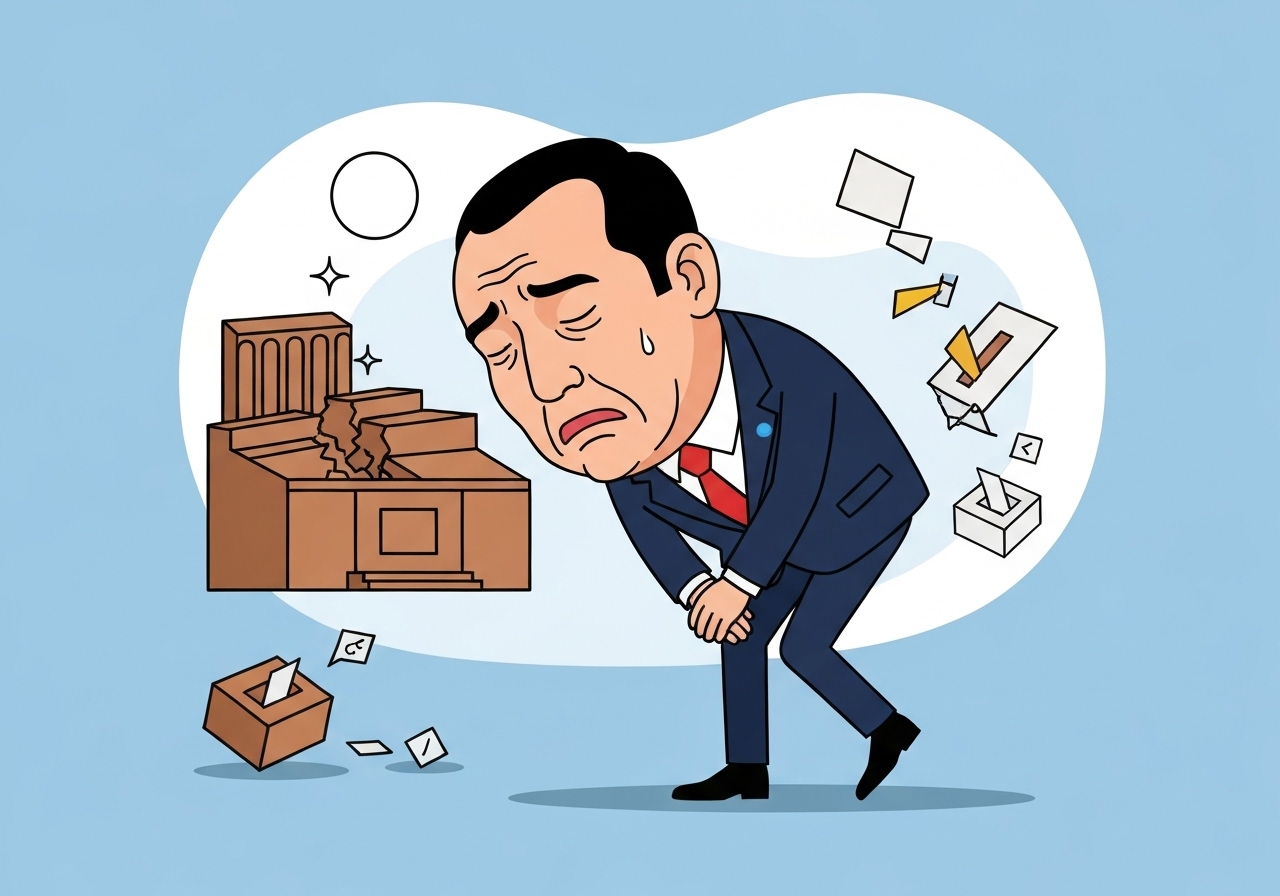
Japan Prime Minister Shigeru Ishiba announced on that he will step down as leader amid deepening divisions in the ruling Liberal Democratic Party and renewed pressure over U.S. trade terms.
Key takeaways
- Ishiba announced his decision on September 7, 2025, and called for an emergency LDP leadership vote.
- He will remain in office until a successor is chosen.
- The move follows the LDP losing its parliamentary majority in a snap election last year and the upper house in July.
- Trade talks with the United States and proposed 15% baseline tariffs on many Japanese goods, including autos, were cited as major pressures.
- Negotiator Ryosei Akazawa reported progress but Reuters said parts of the deal remain unsettled, notably duties on pharmaceuticals and semiconductors.
- Internal party reports blamed seat losses on weak voter outreach, prior scandals, and limited appeal of inflation measures.
Verified facts
On September 7, 2025, Prime Minister Shigeru Ishiba told reporters he had made a difficult decision to step aside and asked the Liberal Democratic Party to hold an emergency leadership election. He said he would continue carrying out official duties until the party selects a successor.
Ishiba has described the U.S. tariff negotiations as a serious national challenge and said he judged this moment, after receiving a report from Japan’s tariff negotiator Ryosei Akazawa, to be the appropriate time to step down.
U.S. President Donald Trump signed an executive order on the preceding Thursday to implement a trade deal with Japan that includes a 15 percent baseline tariff on most Japanese goods, including autos, according to reporting in the original coverage.
Reuters cited negotiator Ryosei Akazawa as saying that aspects of the agreement remain unresolved, particularly the expected U.S. presidential orders covering duties for pharmaceuticals and semiconductors.
Context and impact
The resignation heightens political uncertainty in Japan, which has experienced an erosion of the LDP majority following a snap election late last year and a loss of the upper house in July. That shift forced the party to reassess leadership and strategy.
The outcome may affect the handling of trade relations with the United States and domestic policies aimed at protecting Japan’s large automotive sector from steep duties. Industry leaders have warned that tariff changes could reshape supply chains and competitiveness.
A party report released earlier this week attributed the LDP’s seat losses to the limited appeal of measures to curb inflation, lingering political scandals, and weak mobilization of younger voters, increasing pressure on senior leaders to change direction.
Official statements
Ishiba said he had repeatedly told party members he would not cling to power and that now was the right time to step aside so the LDP can heal its internal divisions.
Prime Minister Shigeru Ishiba, press briefing
Unconfirmed
- Local outlets reported that many senior LDP figures had signaled intentions to resign or push for immediate leadership change; these reports have not been independently confirmed by official party releases.
Bottom line
Ishiba’s decision to step down underscores the political strain facing Japan after electoral losses and fraught U.S. trade negotiations. The timing opens a transition period for the LDP, where the choice of successor will shape Tokyo’s approach to trade, industry protection, and efforts to regain voter support.