
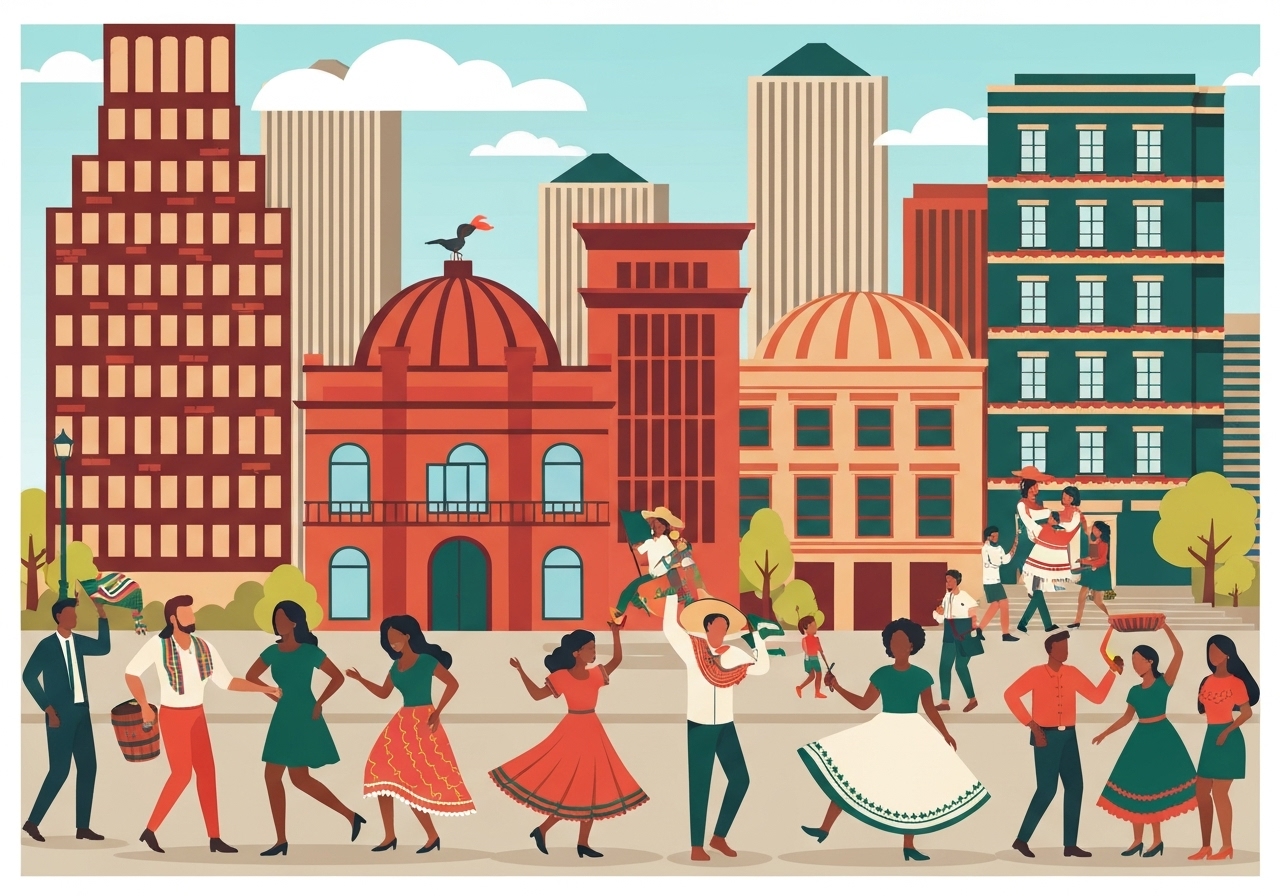
, residents of Chicago’s Pilsen neighborhood held Mexican Independence Day events despite warnings that federal immigration enforcement could intensify in the city, while some nearby festivals were canceled or postponed for safety.
Key Takeaways
- Pilsen held a Mexican Independence Day parade on Sept. 6 with families, performers and community leaders in attendance.
- Some regional events were canceled or postponed amid concerns about possible federal immigration operations.
- Organizers and officials distributed information about immigrant rights and safety steps in advance of gatherings.
- Local leaders, including U.S. Reps. Mike Quigley and Jesús “Chuy” García, participated in Pilsen’s procession.
- City officials have signaled they will resist federal collaboration on civil immigration enforcement.
- Residents reported heightened anxiety: whistles used as alerts, children expressing fear, and teachers noting students’ worries.
Verified Facts
On Saturday, Sept. 6, the Pilsen neighborhood staged a parade and street celebrations with costumed performers, children handing out treats, and crowds lining 18th Street. Bright orange whistles appeared around necks of some participants as a precaution should federal agents arrive.
Several other area events adjusted plans amid concerns. The Wauconda Police Department said a northwest suburban Latino Heritage Festival was canceled, citing “the recent weather situation and immigration concerns” in a social post. Fiesta Patrias in Waukegan — a long-running event — was postponed from Sept. 14 to Nov. 1 for the first time in its 30-year history, and El Grito Chicago announced it would postpone its Grant Park festival, citing community safety.
Officials and community groups distributed flyers reminding families of rights during encounters with immigration authorities, including the right to remain silent and the right not to consent to searches. Nash Elementary teacher Sylvelia Pittman reported hearing students discuss the possibility of ICE arrests, and some children said goodbye to classmates with uncertainty about returning the following week.
Illinois officials have been preparing after warnings that Chicago could be the next focus of expanded federal immigration operations. Reports indicate anticipated deployments could include personnel from Immigration and Customs Enforcement (ICE) and Customs and Border Protection (CBP), among other agencies. Gov. J.B. Pritzker has said federal agents may use the Great Lakes naval base as a command center, and Chicago Mayor Brandon Johnson signed an order clarifying the city will not join federal civil immigration enforcement operations.
Context & Impact
The heightened enforcement rhetoric follows earlier rounds of immigration actions and public criticism of sanctuary-style local policies. Chicago experienced earlier enforcement activity earlier in the administration, and community leaders say the prospect of larger operations is reshaping public gatherings and civic planning.
Local cultural events play a significant role in civic and economic life for Latino neighborhoods. Postponements and cancellations disrupt vendors, performers and community outreach, and they also reduce opportunities for public solidarity at a time when organizers say unity is most needed.
Short-term impacts being reported include:
- Lost income for small vendors and craft sellers who rely on festival weekends.
- Reduced turnout at public spaces that typically draw large family audiences.
- Increased distribution of legal-rights materials and community safety planning.
“I know that the vendors perhaps are upset, but it is what it is — for the safety of the people,”
Margaret Carrasco, Fiesta Patrias president
“We are saddened about the loss of an opportunity to uplift a vision of dignity, strength, and belonging,”
El Grito Chicago organizers
Unconfirmed
- The precise timing, scale and locations of any planned federal immigration operations in Chicago have not been publicly confirmed by federal agencies.
- Reports that the Great Lakes naval base will definitively serve as a command center are based on state comments and have not been independently confirmed by federal authorities.
- The final mix of agencies and personnel that might be deployed for any operation in the city remains unclear.
Bottom Line
Pilsen’s decision to proceed with cultural celebrations underscored a community choosing visible solidarity despite fear. However, the ripple effects of possible federal immigration enforcement are altering event calendars and daily life in Chicago’s Latino neighborhoods, with organizers and city officials prioritizing safety planning and legal-rights information as the situation unfolds.