
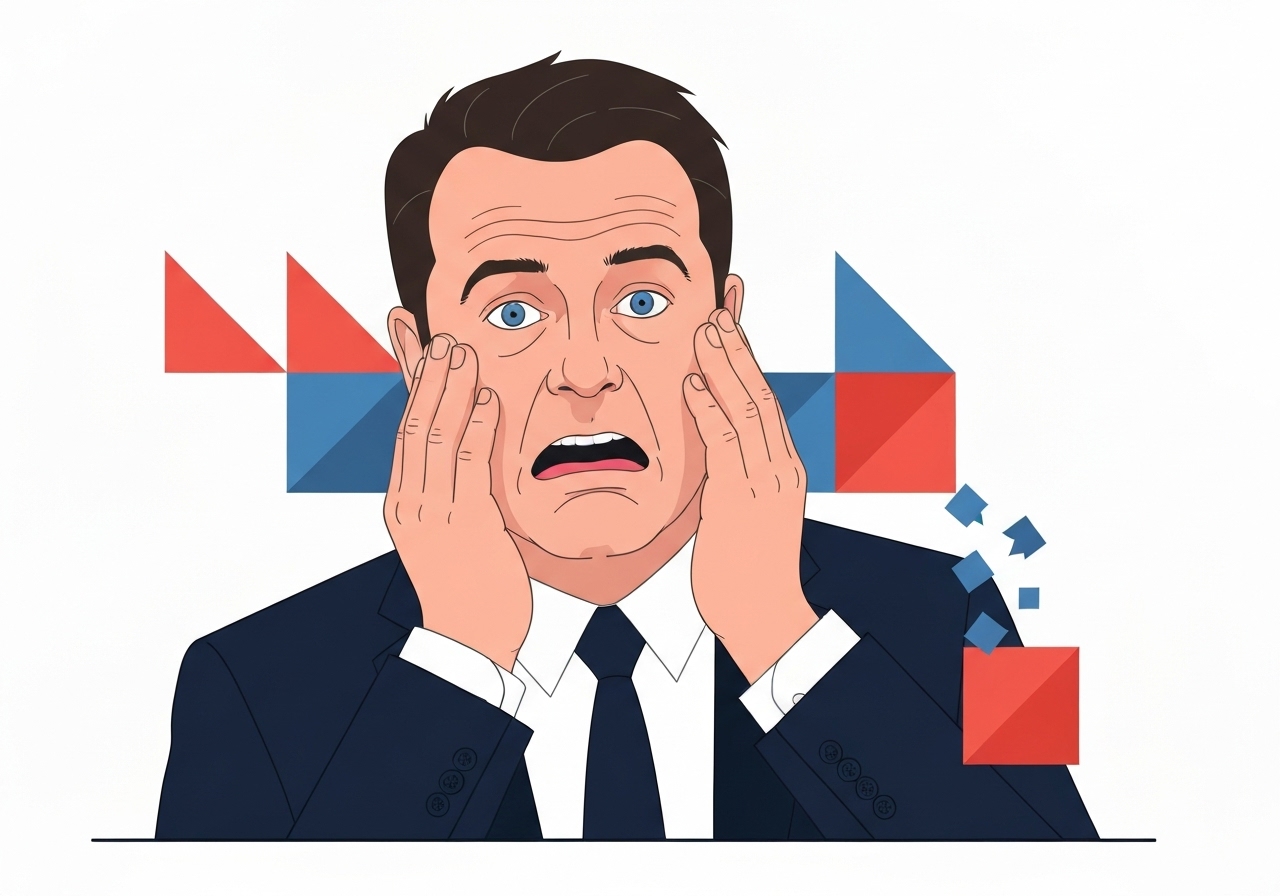
Andy Burnham concerned about balance of cabinet after Angela Rayner exit
— Greater Manchester Mayor Andy Burnham said he is worried the cabinet’s makeup is unbalanced after Angela Rayner resigned as housing secretary, deputy prime minister and deputy leader of the Labour Party, triggering a contest to replace her as deputy party leader and prompting a ministerial reshuffle.
Key Takeaways
- Angela Rayner resigned from three posts after the stamp duty underpayment row, prompting a significant cabinet reshuffle.
- David Lammy became deputy prime minister; Yvette Cooper moved to foreign secretary and Shabana Mahmood to home secretary.
- Andy Burnham expressed concern the new cabinet may lack regional balance and called for debate during the deputy leadership contest.
- Defence Secretary John Healey described the changes as a reset and urged ministers to “go up a gear.”
- Names floated for the deputy Labour leadership include Louise Haigh, Lucy Powell and Emily Thornberry.
- Internal tensions remain over policy issues such as winter fuel payments and disability benefits.
Verified Facts
Angela Rayner left her roles as housing secretary, deputy prime minister and deputy leader of the Labour Party following disclosure that she had underpaid stamp duty. Her resignation has created a vacancy for the party deputy leadership that must be filled through an internal contest.
The reshuffle that followed Rayner’s exit placed David Lammy in the deputy prime minister role. Yvette Cooper was appointed foreign secretary and Shabana Mahmood became home secretary. Lucy Powell, previously Leader of the House, lost her ministerial post as part of the changes.
Andy Burnham, speaking on the BBC programme Sunday with Laura Kuenssberg, said he was “concerned about the balance” of the new cabinet and suggested the deputy leadership election is an opportunity to discuss internal party management and regional representation.
Defence Secretary John Healey described the reshuffle as Prime Minister Keir Starmer resetting his team, urging ministers to increase delivery and saying the government will miss Rayner’s presence and appeal to working-class women.
Context & Impact
The departure of a senior figure who simultaneously held government and party roles has heightened attention on how the Labour leadership manages internal unity and regional representation. Burnham emphasized the value of having senior figures from the north of England to “counter London centricity.”
The deputy leadership contest could expose or soften tensions between Downing Street and Labour’s left — the deputy leader post is distinct from the deputy prime minister role, but Rayner held both, giving extra symbolic weight to the vacancy.
Potential consequences of the reshuffle include renewed scrutiny of policy decisions that have divided MPs, such as winter fuel payments and disability benefits, and further debate about the party’s approach to dissent within its ranks.
- Regional balance: senior northern MPs have been suggested to help broaden representation.
- Party unity: the handling of dissident MPs and whip removals will remain a focal point.
- Public messaging: the new team faces pressure to demonstrate tangible delivery to voters.
Official Statements
“I am concerned about the balance, and we need to use the deputy leadership contest to discuss some of these things,” said Andy Burnham.
Andy Burnham / BBC interview
“We’ve got a good new team in place — now we’ve got to go up a gear,” said Defence Secretary John Healey, urging ministers to show they can improve people’s lives.
John Healey / Official statement
Unconfirmed
- Which candidates will formally stand in the deputy Labour leadership election — several MPs are reported to be considering bids, but nominations are not final.
- Whether the deputy leadership contest will result in a sustained realignment of influence between Downing Street and the party left.
Bottom Line
The Rayner resignation and ensuing reshuffle have reshaped the front bench and opened an internal contest that could influence Labour’s direction and regional representation. Observers will watch whether the new team can quickly demonstrate delivery and whether the deputy leadership race eases or amplifies intra‑party divisions.