
Lead
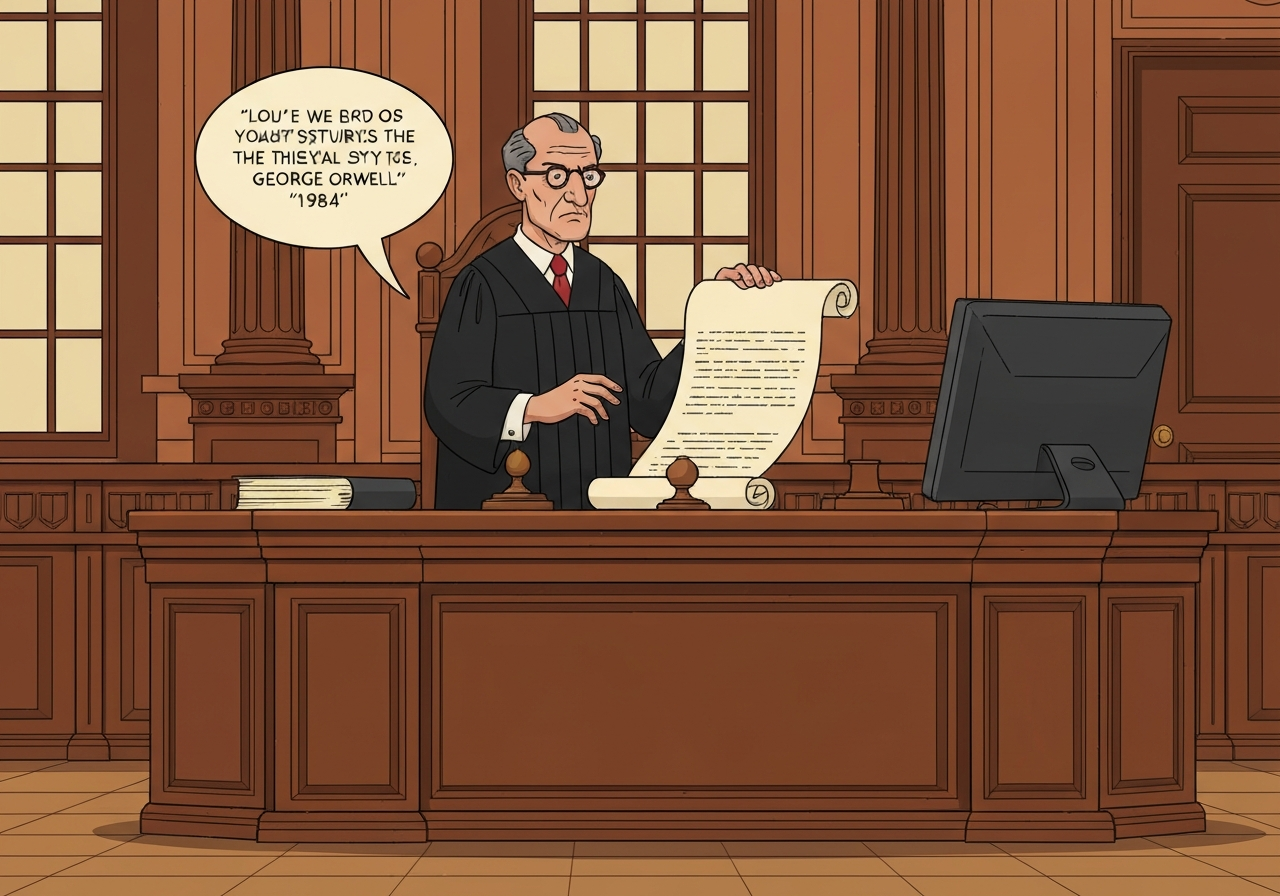
On February 16, 2026, U.S. District Judge Cynthia Rufe ordered the federal government to return long-standing slavery exhibit panels removed from the President’s House Site in Independence National Historical Park in Philadelphia. Rufe, an appointee of President George W. Bush, cited George Orwell’s novel 1984 in her written ruling as she granted the City of Philadelphia’s request for restoration while litigation proceeds. The panels were taken down in January 2026 by federal crews, prompting the city to sue the administration for failing to consult as required by law. The judge concluded the Interior Department lacks unilateral authority to alter those displays without following statutory consultation procedures.
Key Takeaways
- Federal judge Cynthia Rufe issued the order on February 16, 2026, directing the Trump administration to restore slavery exhibit panels at the President’s House Site in Philadelphia.
- The panels were removed in January 2026 by work crews operating at Independence National Historical Park, leading the City of Philadelphia to file suit in federal court.
- Rufe referenced George Orwell’s 1984, invoking phrases such as “Ministry of Truth” and “Ignorance is Strength” to frame her concerns about government control over historical narratives.
- The judge cited congressional language that limits the Interior Department’s authority to unilaterally alter or control the park.
- The dispute is part of a broader federal push, including an executive order signed in March 2025 and a White House review of Smithsonian exhibits, to remove material officials consider “anti-American.”
- Philadelphia officials including City Council President Kenyatta Johnson and Pennsylvania Gov. Josh Shapiro publicly criticized the removals; officials signaled plans to enforce the court’s restoration order while litigation continues.
Background
Independence National Historical Park contains multiple interpretive displays about the Revolutionary era and the early republic; the President’s House Site highlights the residence once occupied by Presidents George Washington and John Adams. For years, the site included large panels that addressed the presence of enslaved people in Philadelphia and the contradictions between slavery and the new nation’s founding ideals. Those panels were understood by many historians and local officials as integral to the park’s educational mission and to Philadelphia’s efforts to present a fuller account of American history.
Tensions over historical interpretation have grown at the federal level since the Trump administration began a campaign to reassess museum content it considers critical of American history. In March 2025 the president signed an executive order directing agencies to remove content that “inappropriately disparage[s] Americans past or living,” and the White House later initiated a review of Smithsonian institutions. Supporters of the removals argue they are correcting what they see as partisan or negative framings; opponents say the moves erase uncomfortable but documented facts.
Main Event
In January 2026, federal work crews removed several large informational panels from the President’s House Site at Independence National Historical Park. The panels had summarized research on enslaved and free Black Philadelphians and described how enslaved labor intersected with the lives of the city’s early leaders. The City of Philadelphia filed suit soon after, asserting the Interior Department must consult local authorities under statutes that constrain federal alteration of park displays.
On February 16, 2026, Judge Rufe granted the city’s request to restore the panels while the case moves forward. In her opinion she explicitly referenced George Orwell’s 1984 to underscore the seriousness of government efforts to control historical messaging, writing that the court would not allow the government to “dissemble and disassemble historical truths” within the park’s bounds. The judge emphasized that existing congressional provisions “specifically limited” the department’s unilateral authority over the site.
The ruling directs the federal government to replace the removed panels at the President’s House Site and preserves the status quo pending further litigation. The White House, Interior Department and Philadelphia Mayor’s office were contacted for comment; as of publication, the administration had not issued a full public response to the order. Philadelphia officials signaled they would enforce the restoration while pursuing the broader case in court.
Analysis & Implications
Legally, the decision underscores the limits that Congress can place on executive control of federally managed historic sites. Judge Rufe’s ruling rests on statutory language that requires consultation before altering park installations, a constraint that could curtail similar unilateral changes at other federally managed historic venues. If sustained on appeal, the precedent may compel federal agencies to negotiate more closely with local governments and legislators when modifying interpretive material.
Politically, the case amplifies debates about who gets to shape public memory. The administration’s efforts to remove or revise content it deems “anti-American” have become a flashpoint ahead of the nation’s 250th anniversary in July 2026. Restoring the panels temporarily preserves a narrative that acknowledges slavery’s role in early American life, while the broader review of cultural institutions suggests further disputes are likely at museums and memorials nationwide.
From a cultural standpoint, the dispute highlights the friction between preservation of historical complexity and political priorities that favor celebratory national narratives. Museums and park sites often balance commemoration with critique; judicial enforcement of consultation requirements can be expected to protect that balance in cases where statutory language applies. Still, the outcome of this litigation on appeal will be decisive for future federal actions affecting interpretive content.
Comparison & Data
| Event | Date |
|---|---|
| Executive order directing removals | March 2025 |
| Smithsonian review letter | December 2025 |
| President’s House panels removed | January 2026 |
| Judge Rufe’s restoration order | February 16, 2026 |
| Nation’s 250th anniversary | July 2026 |
This timeline places the Philadelphia ruling in the context of an administration-wide push that began with an executive order in March 2025 and accelerated through a December 2025 review of Smithsonian content. The sequence shows a rapid escalation from policy directives to on-the-ground removals and then to judicial pushback within a year.
Reactions & Quotes
Local and state officials framed the ruling as a defense of inclusive history and civic accountability.
Black history is American history, and we won’t let Trump erase our story.
Kenyatta Johnson, Philadelphia City Council President (post on X)
The governor of Pennsylvania sharply criticized the removals as an attempt to sanitize the past.
The removal whitewashes history and undermines our ability to teach a full account of the nation’s past.
Josh Shapiro, Governor of Pennsylvania (public statement)
In court, the judge’s opinion framed the dispute within legal limits on agency authority rather than solely as a political argument.
The government cannot dissemble and disassemble historical truths when it has limited statutory authority to alter the park.
Judge Cynthia Rufe (federal ruling)
Unconfirmed
- Whether additional exhibit removals at other Independence Park locations are planned but not publicly announced remains unconfirmed.
- Any internal White House discussions coordinating a broader campaign against specific exhibits have not been independently verified.
Bottom Line
The federal judge’s order to restore slavery panels at the President’s House Site temporarily halts a high-profile example of federal efforts to reshape historical interpretation at cultural sites. Legally, the ruling reinforces that agencies must follow consultation requirements and cannot unilaterally erase established interpretive material where Congress has placed limits. Politically and culturally, the case signals that debates over public history will remain contentious through the 250th anniversary and likely produce further litigation and negotiation over how the nation’s past is presented.
For now, the panels will be returned while the courts examine whether the Interior Department exceeded its authority. The appeal process and any subsequent rulings will determine whether this decision stands as a lasting constraint on federal control of museum and park narratives or becomes a temporary reprieve in a broader policy campaign.
Sources
- CNN (national news coverage)
- The White House (official statements & executive orders)
- City of Philadelphia (local government)
- U.S. District Court for the Eastern District of Pennsylvania (federal court information)
- American Battle Monuments Commission (federal agency)