
Lead
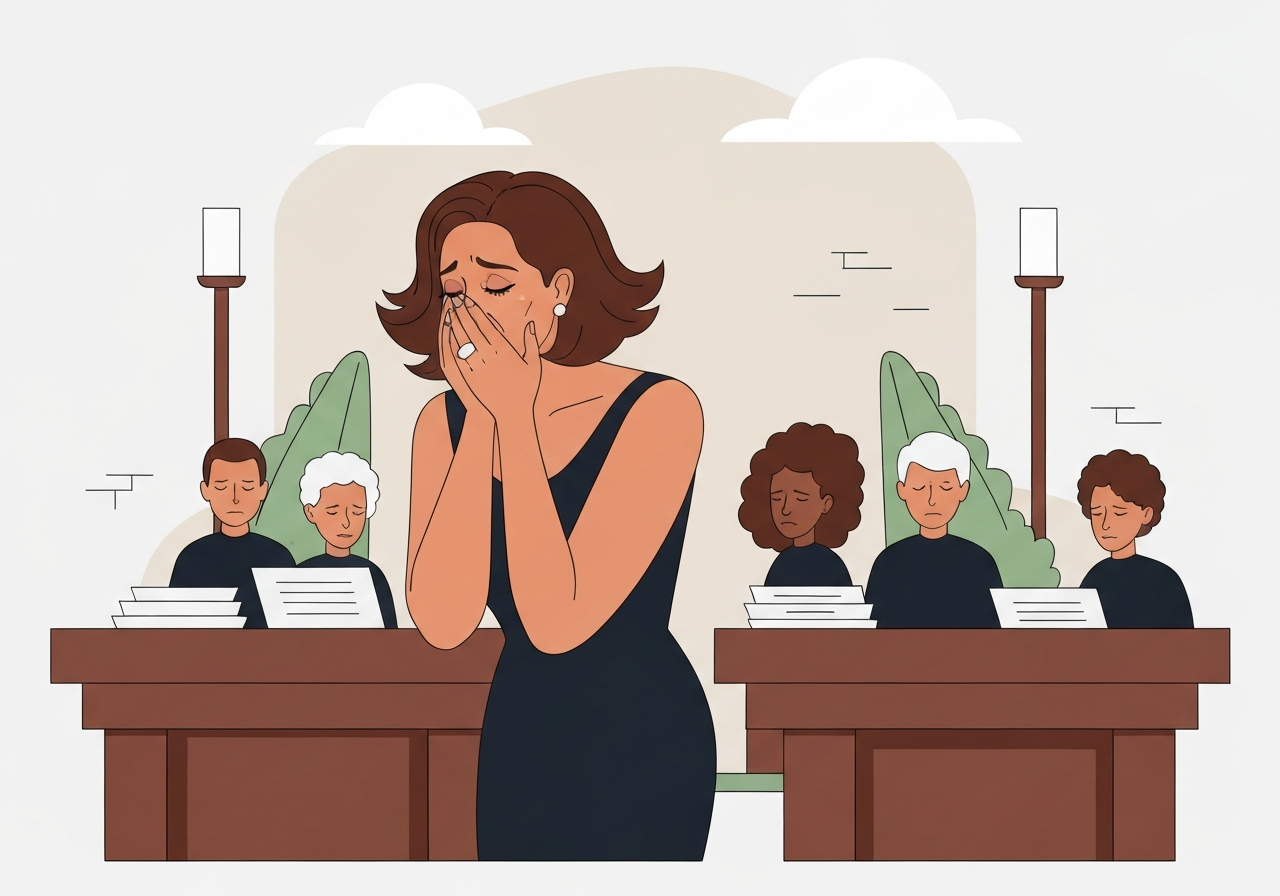
Wendy Williams attended the funeral for her father, Thomas Williams, near Miami on Monday, February 16, 2026, and appeared visibly distraught as she left the service. Photographs from the event show Williams dressed in black and accompanied by her niece, Alex Finnie, and Finnie’s partner, Eric Houston. The appearance comes amid an ongoing, court-supervised guardianship that has constrained Williams’ movements and public communications. Her attorney has signaled renewed legal action following recent medical testing reported in the case.
Key Takeaways
- Thomas Williams died in February 2026, passing just days before his 95th birthday.
- Wendy Williams attended the funeral near Miami on Monday, February 16, 2026, and was photographed leaving the ceremony wearing black and sunglasses.
- Photographs show Williams accompanied by her niece Alex Finnie and Alex’s boyfriend Eric Houston.
- Williams has been under a guardianship for more than three years as of 2026; the guardianship was originally justified in part by claims of dementia.
- Recent neurologist testing reported to the court found no evidence of frontotemporal dementia, a finding Williams’ legal team says will prompt a demand for a jury trial.
- Attorney Joe Tacopina has stated he will seek a jury trial and push to terminate the guardianship if the judge declines to lift it.
Background
Thomas Williams, the father of television host Wendy Williams, died in February 2026 shortly before what would have been his 95th birthday. The family held a ceremony near Miami, where Williams’ attendance was closely watched given her high-profile legal and medical history. Over the last three-plus years Wendy Williams has been subject to a guardianship that restricts many aspects of her personal autonomy, including travel and decision-making, according to court filings and reporting.
The guardianship arose after concerns were raised about Williams’ health and capacity, with a judge citing alleged cognitive decline in earlier proceedings. More recently, her legal team secured fresh neurologic testing that it says contradicts previous claims of frontotemporal dementia, the specific diagnosis used to justify the guardianship. That medical development has become a central element in ongoing motions and public debate about the scope and duration of the guardianship.
Main Event
On Monday, February 16, 2026, Williams attended the funeral for her father in the Miami area. Photographs taken outside the service show Williams wearing black clothing and sunglasses, flanked by family members as she departed the venue. Observers described her as appearing emotionally shaken; she did not make a public statement at the scene.
The appearance was notable because Williams has not regularly traveled or engaged in public events since the guardianship was put in place. Earlier this year she reportedly questioned whether she would be allowed to attend her father’s birthday, and Thomas Williams died just days before turning 95. Those developments have intensified scrutiny of the guardianship process and the family’s internal dynamics.
Following the funeral, Williams’ attorney, Joe Tacopina, reiterated plans to use recent medical testing in court. Tacopina has said he will press for a jury trial and argue that the evidence supports returning decision-making authority to Williams. The court calendar and any upcoming hearings were not immediately changed by the funeral.
Analysis & Implications
The public funeral appearance underscores the tension between personal loss and ongoing legal conflict. For Williams, the event may increase public sympathy while also focusing attention on how the guardianship has affected her ability to attend family milestones. The case highlights a broader issue in elder- and disability-related guardianships: the balance between protection and personal liberty when medical assessments are contested.
If the recently reported neurologic testing is accepted by the court, it could reshape the facts that supported the original guardianship order. Tacopina’s announcement to demand a jury trial signals a shift from procedural motions to a substantive fact-finding process, which could take months and attract further media and legal scrutiny. A jury determination would be an uncommon step in guardianship litigation and could set a local precedent for similar disputes.
Beyond the courtroom, there are reputational and practical consequences. Media coverage of the funeral and the surrounding legal fight may influence public opinion and potential future settlements among family members. In practical terms, the outcome of any trial or settlement will determine who controls medical decisions, travel permissions, and financial matters for Williams going forward.
Comparison & Data
| Event | Date / Status |
|---|---|
| Thomas Williams — Death | February 2026, died days before 95th birthday |
| Funeral attended by Wendy Williams | Monday, February 16, 2026 (near Miami) |
| Wendy Williams’ guardianship | In place for more than three years as of 2026 |
| Recent neurologic testing reported | 2026 — testing reported to show no frontotemporal dementia |
The table summarizes core dates and statuses that are central to the current legal and personal developments. The most consequential data point for ongoing litigation is the 2026 neurologic testing outcome, which counsel say undermines a prior medical basis for guardianship. Any formal court filings that reference the tests will be decisive for next steps.
Reactions & Quotes
We will demand a jury trial and, if necessary, ask jurors to restore her rights if the judge will not end this guardianship.
Joe Tacopina, Attorney for Wendy Williams (reported)
Attendees described the scene as solemn; Ms. Williams appeared deeply affected while surrounded by close family.
Funeral attendee (anonymous)
Legal observers have noted that Tacopina’s move toward a jury trial is a tactical escalation that could prolong litigation. Family members and onlookers reacted emotionally to the funeral images, while advocates for guardianship reform pointed to the case as an example of why transparency and independent evaluation matter.
Unconfirmed
- The exact date and content of the neurologic tests have not been released publicly and have not been independently verified in medical records.
- Specific internal decisions by the guardianship team about travel permissions and prior denials have not been documented in a public court filing available at the time of reporting.
- Personal conversations within the family about attendance or estrangement have not been independently confirmed beyond accounts reported to the press.
Bottom Line
Wendy Williams’ attendance at her father’s funeral brought public attention back to a long-running guardianship dispute that now includes new medical findings her legal team highlights. The images of a grieving daughter leaving the service frame the case not only as a legal contest but as a personal tragedy for a family in the public eye.
Legal next steps will likely revolve around whether the court accepts the recent neurologic testing and how strongly a judge weighs that evidence against earlier findings. If Tacopina follows through with a jury demand, the dispute may enter an extended fact-finding phase with broader implications for guardianship practice and public perceptions of capacity evaluations.
Sources
- TMZ (entertainment news report on funeral attendance and guardianship updates)