
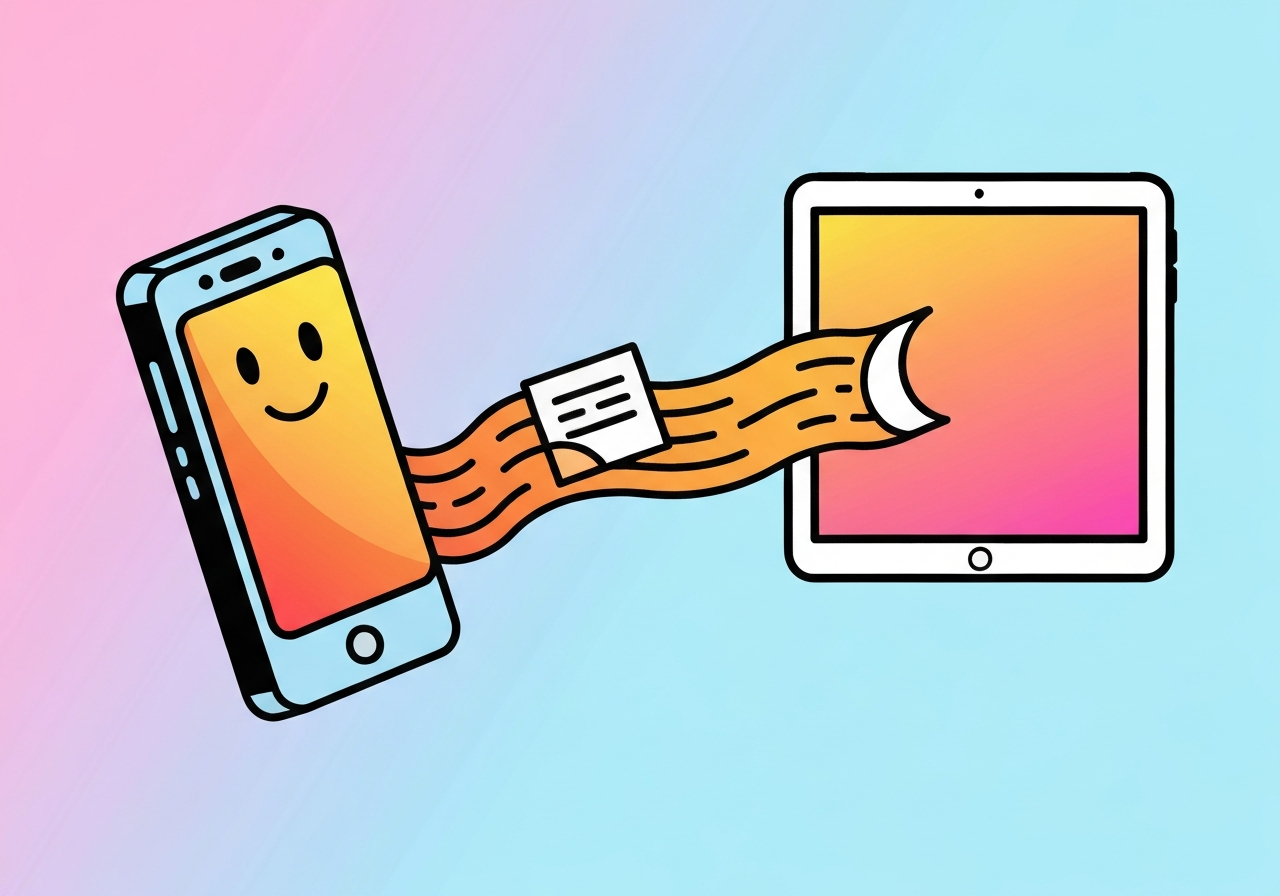
On Feb 17, 2026, Google expanded the AirDrop-compatible file transfers it first introduced for Pixel 10 phones to most of the Pixel 9 line, enabling cross-platform sharing with Apple devices while excluding the budget Pixel 9A. Files sent from a Pixel to an iPhone, iPad or Mac appear on the Apple device as AirDrop transfers; on Android they are handled by Google’s Quick Share. To work, the receiving Apple device must be set to be discoverable to anyone (a setting that can be limited to ten minutes) and the Pixel must be in receive or discoverable mode; the recipient then taps to accept the transfer. Google told reporters the company intends to broaden support to more Android devices over time but offered no timeline for adding the 9A.
Key takeaways
- As of Feb 17, 2026, most Pixel 9 models can exchange files with Apple devices using AirDrop; this follows an earlier rollout for Pixel 10 phones.
- The Pixel-to-Apple transfer presents as AirDrop on iPhone, iPad and Mac, while Android devices use Quick Share to send and receive.
- Devices must be set to discoverable to anyone for transfers to succeed; discoverability on Apple devices can be limited to a 10‑minute window.
- The Pixel 9A is excluded from this compatibility; Google said it plans to expand support to more Android hardware but gave no firm schedule.
- Acceptance requires a simple tap on the receiving device, preserving the familiar user flow for AirDrop users.
- Early concerns that Apple might block the interoperability have not materialized: the feature remains functional after the Pixel 10 launch.
Background
Apple’s AirDrop has long been a convenient, largely closed-file sharing system within the Apple ecosystem, while Android vendors have offered various alternatives such as Google’s Quick Share and Samsung’s Nearby Share. In late 2025 Google engineered a compatibility layer so Pixel phones could present transfers to Apple devices as native AirDrop items, addressing a frequent point of friction for users who switch platforms or rely on mixed-device workflows. The initial rollout targeted Pixel 10 models; users and commentators wondered whether Apple would respond by blocking the compatibility or changing AirDrop’s behavior.
Those concerns have eased as the functionality persisted and Google widened the feature set to include most Pixel 9 hardware. The mechanics require both devices to be discoverable; Apple’s discoverability option includes a temporary “allow for 10 minutes” setting intended to limit exposure, while Pixel users must enable receive mode or set their device to be discoverable to everyone. Hardware differences and software constraints often determine which models can support interoperability features, which helps explain why lower-cost variants like the 9A can be left out of early compatibility waves.
Main event
Google announced that, like the Pixel 10 line before it, the Pixel 9 family (with the notable exception of the Pixel 9A) now supports transfers that appear as AirDrop on Apple devices. When a Pixel initiates a transfer to an Apple device, the recipient will see the familiar AirDrop prompt; accepting completes the transfer while the sending Pixel uses Quick Share on Android. The process preserves the simple tap-to-accept flow users expect on Apple hardware and keeps the Android-side handling within Google’s Quick Share framework.
Operationally, the Apple recipient must be discoverable to anyone for the interaction to succeed; Apple’s temporary discoverability window of ten minutes can be used to reduce exposure. On the Pixel side, users must either enable a receive mode or set their device to be discoverable to all nearby devices. Because the feature maps to existing OS-level prompts on both platforms, it requires no third-party apps and relies on system-level discovery and acceptance dialogs.
The Pixel 9A has been left out of this expansion. Google communications manager Alex Moriconi told reporters the company is “eager to extend the capability to additional Android devices over time,” but provided no timeline for adding the 9A. For now, owners of the budget 9A must fall back to Bluetooth, cloud links, or other file-transfer methods.
Analysis & implications
The move reduces a practical barrier between Apple and Android devices, addressing a common complaint about cross-platform hassles for photos, contacts and small files. For consumers who frequently move between iPhone and Pixel devices, the smoother workflow may reduce friction and make mixed-device households more convenient. From a user-experience perspective, mapping transfers to native OS prompts on both sides preserves familiar behaviors and lowers the learning curve.
Strategically, the expansion highlights a pragmatic approach by Google: enable interoperability where feasible while leaving the final control to OS-level discoverability settings. That keeps the onus on user consent rather than on covert cross-platform hacks. It also reduces a point of differentiation Apple has enjoyed; while AirDrop itself remains an Apple service, its ability to accept transfers from non-Apple hardware weakens purely ecosystem-based lock-in for routine file sharing.
There are also regulatory and security angles to consider. Greater interoperability tends to reduce antitrust complaints that platform owners use proprietary protocols to lock in users, but it can also raise privacy questions if discoverable modes are left on by default. The ten-minute discoverability option on Apple devices mitigates some risk, but organizations and privacy-conscious users should review settings and consider limiting discoverability in public spaces.
Comparison & data
| Device / Feature | Appears as AirDrop on Apple | Android handling | Notes |
|---|---|---|---|
| Pixel 10 series | Yes | Quick Share | Initial rollout in late 2025 |
| Pixel 9 series (most models) | Yes | Quick Share | Expanded on Feb 17, 2026; 9A excluded |
| Pixel 9A | No | Bluetooth / other | Excluded from current compatibility |
This table isolates support status across recent Pixel generations. The key operational constraints are discoverability settings on Apple devices (including the 10‑minute temporary option) and corresponding receive settings on Pixel phones. The practical effect is near-seamless transfers among supported models while leaving a class-based gap for the budget 9A.
Reactions & quotes
“We’re eager to extend the capability to additional Android devices over time,”
Alex Moriconi, Google communications manager (paraphrased)
Google framed the expansion as part of ongoing work to improve cross-platform sharing; the company emphasized it intends to broaden support but did not specify which models or dates are next. The quote above was paraphrased from comments provided to reporters on Feb 17, 2026.
“This narrows a friction point between ecosystems, letting users move files without resorting to cloud links,”
Independent mobile usability expert (paraphrase)
Experts say the convenience gains are immediate for everyday users while privacy-conscious users should pay attention to discoverability defaults. The user experience benefit is large where both devices are supported, but hardware exclusions create a two-tier experience.
Unconfirmed
- Whether Google will add Pixel 9A to the AirDrop-compatible list and, if so, when — Google has not provided a timeline.
- Any future changes Apple might make to AirDrop behavior in response to broader cross-platform compatibility remain speculative at this time.
- Exact hardware or software prerequisites that prevented 9A support have not been publicly disclosed by Google.
Bottom line
Google’s expansion of AirDrop-compatible transfers to most Pixel 9 devices on Feb 17, 2026, removes a frequent annoyance for users who move files between Pixel phones and Apple devices. The approach preserves the simple tap-to-accept flow and leans on existing discoverability controls to limit exposure, making this a practical win for everyday cross-platform sharing.
However, the exclusion of the Pixel 9A underscores that interoperability is uneven across price tiers; owners of budget models must still rely on older methods for now. The most important developments to watch are whether Google will publish a timeline for adding more devices, and whether Apple alters AirDrop behavior in response to rising cross-platform usage.