
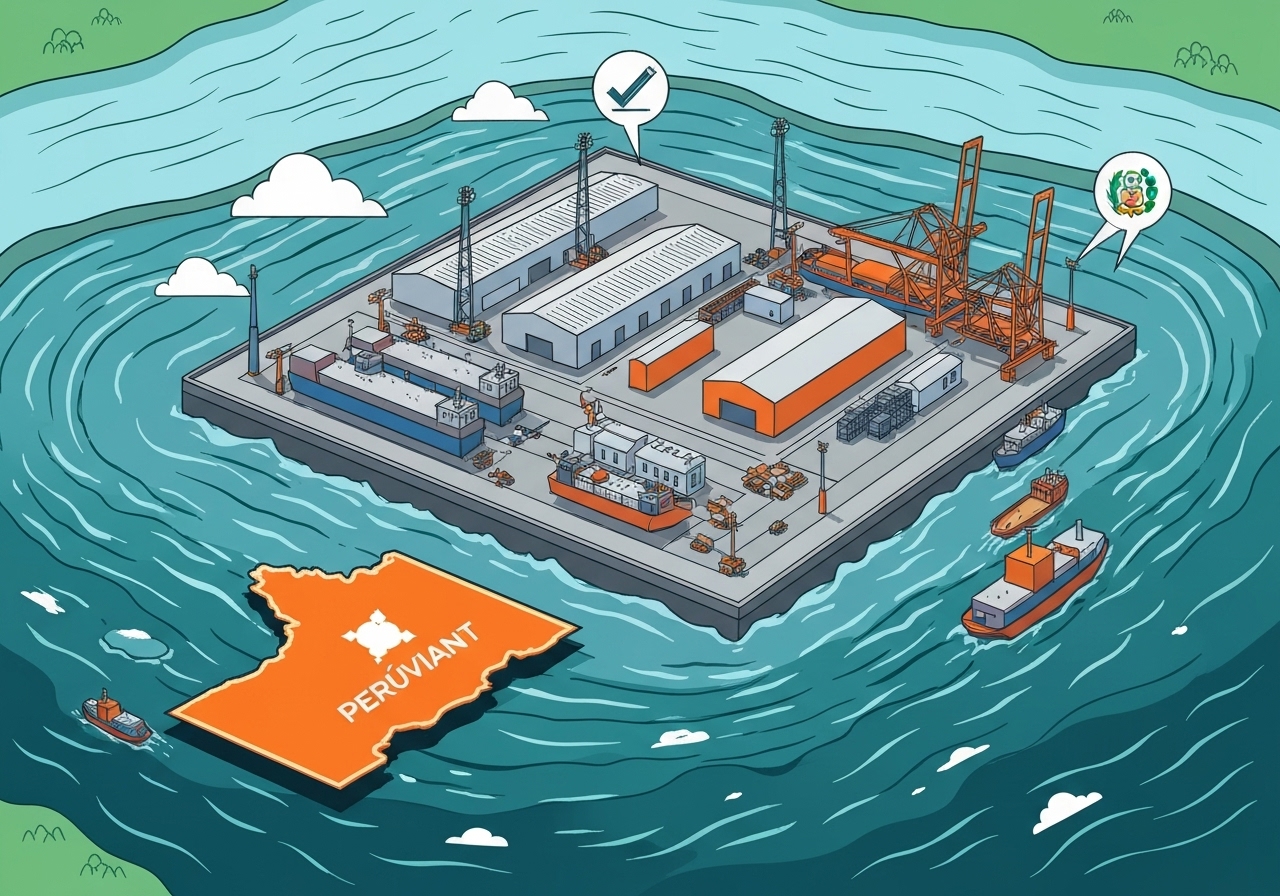
Lead: On Sept. 7, 2025, residents and officials in Leticia — Colombia’s only Amazon port town of about 55,000 people at the country’s southern tip — warned that drought, sedimentation and a southward shift of the Amazon River could cut the town off from its main waterway within years, disrupting supplies and fueling a fresh border dispute with neighboring Peru.
Key Takeaways
- The Amazon is gradually moving south, reducing water flow past Leticia and exposing parts of the cargo wharf during dry months.
- A Colombian Navy study forecasts that Leticia could lose direct river access within about five years if current trends continue.
- Leticia relies on river traffic for most food and goods; there are no road links to the rest of Colombia, only an airport.
- The tiny island of Santa Rosa, formed in 1974 and home to roughly 3,000 people, has become a flashpoint after Peru upgraded its local status in July 2025.
- Political gestures — including President Gustavo Petro’s public protest and a presidential candidate’s flag-raising — have amplified nationalist tensions.
- Technical fixes such as dredging could restore access but are costly and require bilateral cooperation.
Verified Facts
Leticia sits at Colombia’s southernmost tip and functions as the country’s sole river port on the Amazon. The town’s population is about 55,000. There are no road links connecting Leticia to other Colombian regions; most bulk goods arrive by boat from Peru and Brazil, and an airport provides the only reliable overland alternative.
Local workers report regularly extending the cargo wharf to reach receding water during dry seasons. When water levels fall, forklifts and mechanized loading equipment are unusable and cargo is carried by hand across muddy banks, slowing deliveries and raising costs.
Colombian authorities, citing a navy study, say that continued drought, sediment buildup and natural meandering are shifting the Amazon’s deepest channel southward. That shift could leave Leticia without practical river access within approximately five years unless intervention occurs.
Santa Rosa island, formed in 1974, lacks a formal allocation in the 1922 Colombia–Peru border treaty because the treaty uses the river’s deepest navigable channel (the thalweg) to define the frontier. About 3,000 Peruvians live on Santa Rosa. Peru’s congress upgraded the settlement’s status in July 2025, prompting Colombian President Gustavo Petro to visit Leticia and publicly reject Peruvian sovereignty claims.
Context & Impact
The Amazon’s changing course affects law and livelihoods. Under the treaty principle that the deepest channel marks the boundary, a moving river can alter which country controls riverine features and adjacent islands. Legal outcomes depend on how the thalweg is determined and whether both states accept new measurements.
For Leticia residents, the immediate impacts are economic and humanitarian: higher food and transport costs, fragile supply chains, and slower emergency response. Tourism and cross-border commerce — activities that knit together Colombian, Peruvian and Brazilian towns on the triple frontier — could suffer if boat traffic declines.
Politically, the dispute has shifted from local concern to national attention. Territorial questions are politically sensitive in Colombia, and public demonstrations of sovereignty have escalated rhetoric on both sides.
- Short-term local impacts: higher retail prices, interrupted deliveries, longer wait times for goods and services.
- Medium-term regional effects: increased diplomatic friction, potential need for joint river management, and pressure to fund dredging or infrastructure projects.
“Colombia does not recognize Peruvian sovereignty over Santa Rosa.”
President Gustavo Petro
Official Statements
Colombian leaders, including President Petro, have publicly challenged Peru’s actions regarding Santa Rosa. Peruvian officials removed a Colombian flag raised by a visiting presidential candidate within minutes, and Peru’s recent administrative change for Santa Rosa has increased Lima’s on-island presence.
Unconfirmed
- The exact methodology and public availability of the Colombian Navy study predicting a five-year loss of river access are not publicly detailed.
- The time frame for Leticia becoming effectively landlocked could change if dredging or other engineering interventions are implemented.
- Long-term legal resolution over Santa Rosa depends on diplomatic negotiations and technical channel surveys; outcomes remain uncertain.
Bottom Line
Leticia’s vulnerability combines environmental change, fragile logistics, and historic border complexity. Technical responses such as dredging could restore navigation but will require funding and binational cooperation. The immediate diplomatic calendar includes a bilateral border commission meeting scheduled in Lima for Sept. 11–12, 2025; those talks will be a key opportunity to seek practical, cooperative solutions.