
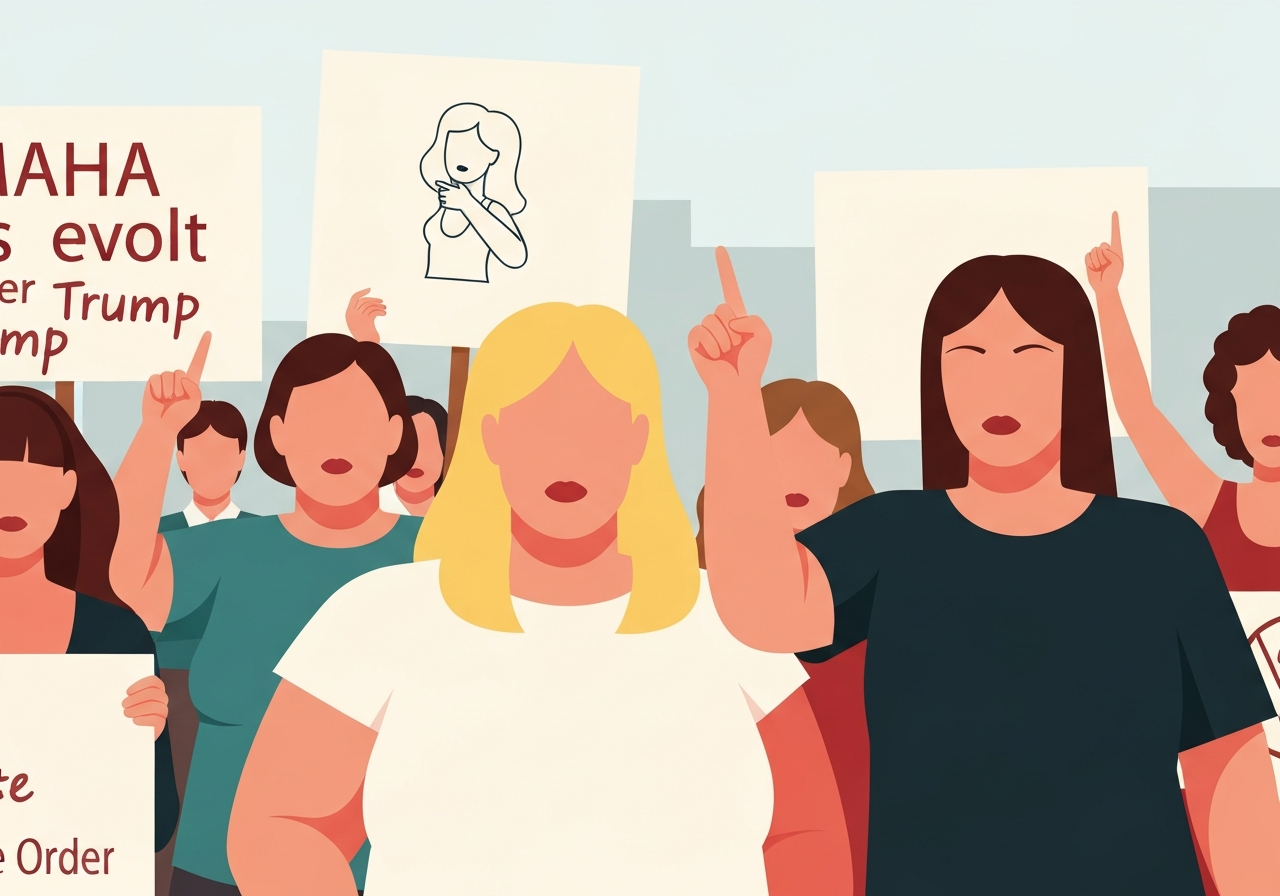
— A core contingent of Health Secretary Robert F. Kennedy Jr.’s largely female MAHA (Make America Healthy Again) supporters felt betrayed after President Trump signed an executive order to boost domestic production of glyphosate, a controversial herbicide linked to thousands of lawsuits. The move, announced this week in Washington, drew immediate anger from activists who had shifted from the Democratic Party to back Mr. Trump in 2024 based on promises to address environmental toxins. Rank-and-file MAHA participants described the order as a reversal of those promises, while Secretary Kennedy defended the policy as strengthening “our defense readiness and our food supply.” The policy shift now threatens the fragile political alliance between the president and a health-conscious voting bloc.
Key Takeaways
- President Trump issued an executive order on Feb. 19, 2026 to expand domestic production of glyphosate, aiming to reduce import reliance and increase agricultural inputs.
- MAHA supporters—often called MAHA Moms—were a key cohort who left or distanced themselves from the Democratic Party to support Trump in 2024 because of his pledge to confront environmental toxins.
- Glyphosate has been the subject of thousands of lawsuits in the U.S.; Robert F. Kennedy Jr. has been publicly associated with litigation and advocacy against corporate pesticide practices.
- Some grassroots MAHA organizers say the order undermines trust: one organizer asked how to mobilize these voters for Republican midterms after feeling deceived.
- Secretary Kennedy issued a public statement framing the order as bolstering national security and food supply chains, a position that softened criticism from some leaders.
- Political operatives warn the rupture could have measurable effects in swing districts where health and food-safety messages resonated in 2024.
Background
The MAHA movement, built around Robert F. Kennedy Jr.’s public profile as a vaccine- and environmental-safety critic, drew an unusual coalition of health-conscious voters ahead of and during the 2024 campaign. Many of these supporters—predominantly women active in wellness networks—became a visible voting bloc after Kennedy endorsed and later joined the Trump administration as Health Secretary. Their priorities have included stricter limits on pesticides, greater transparency in food ingredients, and skepticism of what they see as close ties between regulators and industry.
Glyphosate, the active ingredient in many weedkillers including Roundup, has been at the center of scientific and legal controversies for more than a decade. Plaintiffs in thousands of U.S. lawsuits have alleged links between glyphosate exposure and cancer; at the same time, regulators and manufacturers have disputed the strength and interpretation of the evidence. That long-running dispute helped make glyphosate soil a politically charged issue for the MAHA constituency.
Main Event
On Feb. 19, 2026, the White House released an executive order directing federal agencies to encourage and facilitate increased U.S. production of key agricultural chemicals, including glyphosate. The stated goals were to cut reliance on foreign supply chains and to ensure continuity in fertilizer and crop-protection supplies for American farmers. The policy language prioritized industrial capacity and national preparedness over immediate domestic restrictions on any specific active ingredient.
Within hours, local MAHA organizers and national movement activists registered disbelief and anger. In forums and livestreams, women who had campaigned on food-safety promises framed the order as a breach of faith. Several grassroots leaders said they had expected administration policies to restrict, not expand, access to a chemical they consider hazardous.
Secretary Kennedy issued a succinct defense, saying the order would strengthen “our defense readiness and our food supply,” and urging critics to weigh strategic supply-chain risks. Some MAHA leaders accepted his explanation; others said the reasoning did not match their priorities. The split exposed an emerging fault line between movement elites who move inside government channels and rank-and-file activists who judge outcomes by concrete policy results.
Analysis & Implications
Politically, the episode illustrates the fragility of nascent coalitions built on single-issue alignment. MAHA’s appeal to primarily female, health-focused voters was an asset to Mr. Trump in 2024; a perception that he has stepped away from that promise risks eroding those gains ahead of the midterm cycle. Organizers and party strategists will now face the task of either repairing trust or conceding those precincts to opponents who emphasize food and environmental safety.
Substantively, the order signals a policy tilt toward prioritizing industrial resilience and domestic production over stringent chemical restrictions. For farmers and agribusiness, expanded glyphosate availability promises predictable access to a widely used herbicide. For public-health advocates, however, the move raises concerns about regulatory direction: whether the administration will favor short-term supply stability over longer-term exposure reduction strategies.
Legal and regulatory implications are also notable. Secretary Kennedy’s historical association with lawsuits against manufacturers puts him in a distinct position: he can influence implementation from within, but his presence has not insulated the movement from policy decisions that conflict with its stated aims. The tension highlights a broader governance question about whether activists who enter government can preserve movement priorities when faced with strategic national considerations.
Comparison & Data
| Date | Action | Immediate Effect |
|---|---|---|
| 2024 | MAHA-aligned voters shift away from Democratic ticket | Contributed to narrow electoral gains in select districts |
| Feb. 19, 2026 | Executive order to expand glyphosate production | Spurred backlash from movement activists; administration cites supply-chain resilience |
| Ongoing | Thousands of legal claims involving glyphosate | Continued litigation and public debate over health risks |
The table above places the new order in a short timeline: grassroots political shifts in 2024, the administration’s Feb. 19, 2026 directive, and the enduring legal disputes around glyphosate. Taken together, these touchpoints explain why a supply-side policy move produced a strong emotional reaction among MAHA-aligned voters.
Reactions & Quotes
“Women feel like they were lied to, that MAHA movement is a sham.”
Alex Clark, health and wellness podcaster aligned with Turning Point U.S.A.
Clark’s comment captures the frustration among some organizers who had invested time and energy mobilizing women voters for a platform they say emphasized chemical safety.
“Secretary Kennedy has done everything he said he’s going to do.”
Vani Hari, food-policy activist and MAHA adviser
Hari represents the segment of MAHA leadership that credits Kennedy’s inside-the-Beltway work, even as rank-and-file critics fault the broader administration decision.
“The order will strengthen our defense readiness and our food supply.”
Robert F. Kennedy Jr., U.S. Health Secretary (statement)
Kennedy’s terse defense reframed the decision as strategic and national in scope, a rationale that has limited appeal among activists whose primary concerns are exposure and product safety.
Unconfirmed
- It is unclear which domestic manufacturers will scale up glyphosate production and whether contracts were prearranged before the order was announced.
- There is no public evidence yet of a formal, system-wide reassessment of pesticide risk standards tied to this executive action.
- The precise electoral impact of the rupture between MAHA rank-and-file voters and the administration is not yet measured by independent polling.
Bottom Line
The administration’s Feb. 19 executive order to expand domestic glyphosate production has exposed a political fault line: health-focused women who rallied behind MAHA and, by extension, parts of the Trump coalition, now question the administration’s commitment to their core concerns. Secretary Kennedy’s defense has blunted some leadership criticism, but it has not resolved the underlying credibility gap felt by many grassroots activists.
Going forward, the story will hinge on two forces: specific implementation choices that determine who benefits from increased production, and whether movement leaders can translate inside-government influence into outcomes that assuage rank-and-file skepticism. For political strategists, the episode is a reminder that transactional alignments can be short-lived when policy outcomes run counter to the reasons voters changed their allegiance.
Sources
- The New York Times (major national newspaper) — original reporting on MAHA reactions and the executive order.