
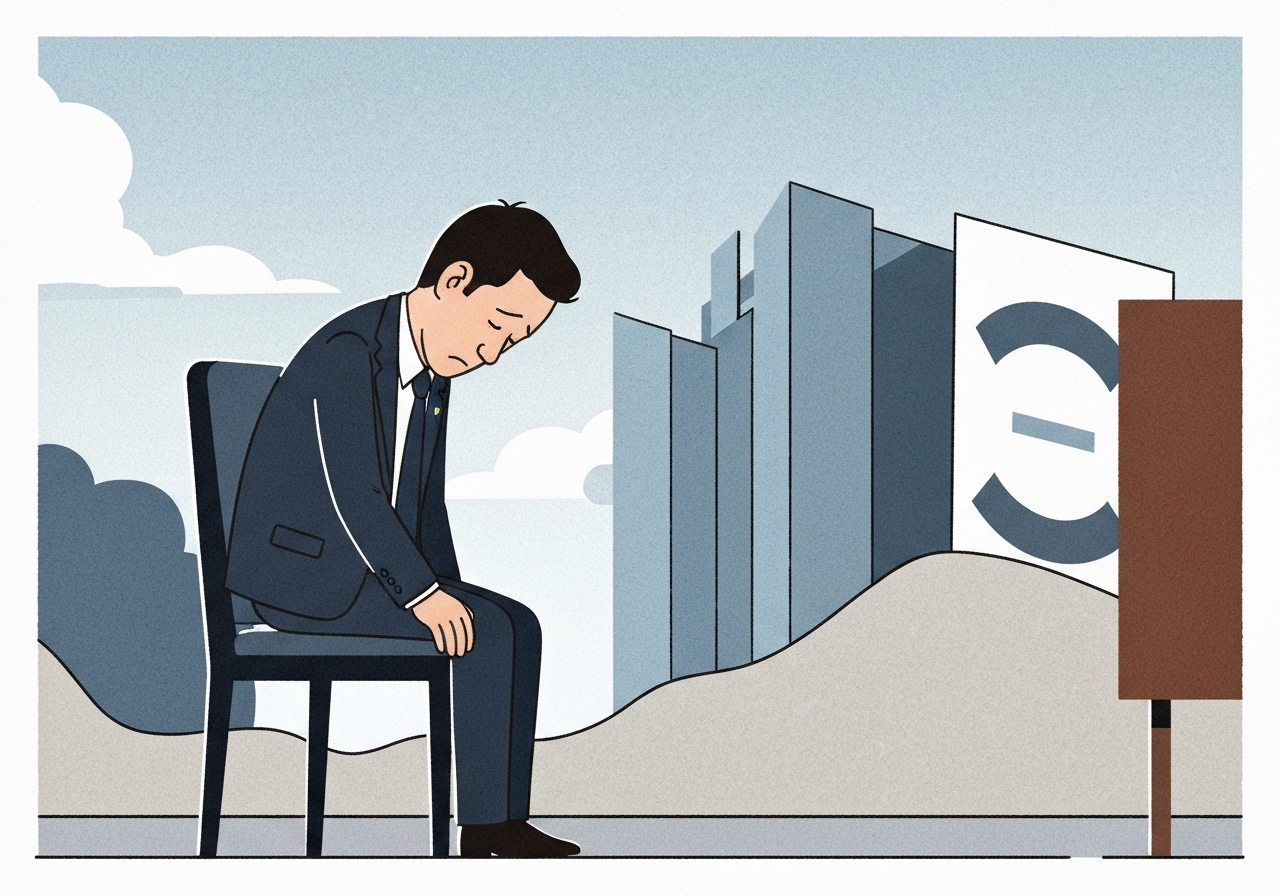
Lead: On Sunday, September 7, 2025 in Tokyo, Prime Minister Shigeru Ishiba said he intends to step down after his Liberal Democratic Party suffered a historic defeat in July’s upper house election, a move he says is meant to prevent deeper party division and ease governance ahead of a party leadership contest.
Key Takeaways
- Ishiba announced his intention to resign on September 7, 2025 after the LDP lost its upper house majority in July.
- The move follows growing pressure from LDP figures seeking responsibility for consecutive electoral setbacks.
- The resignation announcement comes one day before a party decision on an early leadership vote that could amount to a no confidence motion.
- Senior figures including Agriculture Minister Shinjiro Koizumi and former PM Yoshihide Suga reportedly advised or discussed the step.
- The LDP will likely schedule a presidential election, with candidates such as Koizumi, Sanae Takaichi and Yoshimasa Hayashi mentioned as possible contenders.
- With no majority in either chamber, the next leader will need to negotiate with opposition parties to pass legislation.
Verified Facts
Prime Minister Shigeru Ishiba took office in October 2024. In the July 2025 upper house election the ruling coalition failed to secure a majority in the 248-seat chamber, compounding an earlier loss of a lower house majority. Those results triggered internal reviews and calls within the LDP for a leadership change.
NHK and other outlets reported that on September 7 Ishiba told associates he would step down to avoid further fracturing the party. The announcement came after a meeting on Saturday with Agriculture Minister Shinjiro Koizumi and former Prime Minister Yoshihide Suga, who reportedly suggested resignation ahead of the LDP’s Monday vote.
Several senior LDP figures, including former deputy cabinet members and conservative heavyweight Taro Aso, had pushed for an early leadership challenge. LDP Secretary General Hiroshi Moriyama also signaled his intent to resign on September 2, though Ishiba had not formally accepted that resignation before his announcement.
Context & Impact
The LDP’s twin setbacks in 2025 have left the party with reduced control in both houses, creating a minority government that faces a higher risk of no-confidence motions and legislative gridlock. The likely leadership contest will test the party’s capacity to unify behind a new agenda and to regain voter trust ahead of future sessions of parliament.
Policy implications include immediate attention to economic issues cited by Ishiba: trade tensions with the United States, tariff adjustments, rising domestic prices, and proposed rice policy reforms. The loss of a clear majority also raises the prospect that LDP leaders will need to seek ad hoc support from opposition parties to pass key bills.
Potential near-term effects:
- An LDP presidential election likely in early October.
- A temporary caretaker cabinet during the leadership transition.
- Increased bargaining between the LDP and opposition parties on major legislation.
Official Statements
Ishiba said stepping aside was necessary to prevent further division within the party.
Reported by NHK and Associated Press
Unconfirmed
- The precise date when Ishiba will formally submit his resignation to the Diet has not been announced.
- It is not yet confirmed which candidates will declare runs in the LDP presidential contest.
- The final composition and timing of any caretaker cabinet remain unclear.
Bottom Line
Ishiba’s decision to step down is intended to reduce intra-party conflict after severe electoral losses and to clear the way for a leadership contest. The LDP now faces a critical period to choose a successor who can navigate a minority government and rebuild voter confidence before the next parliamentary session.