
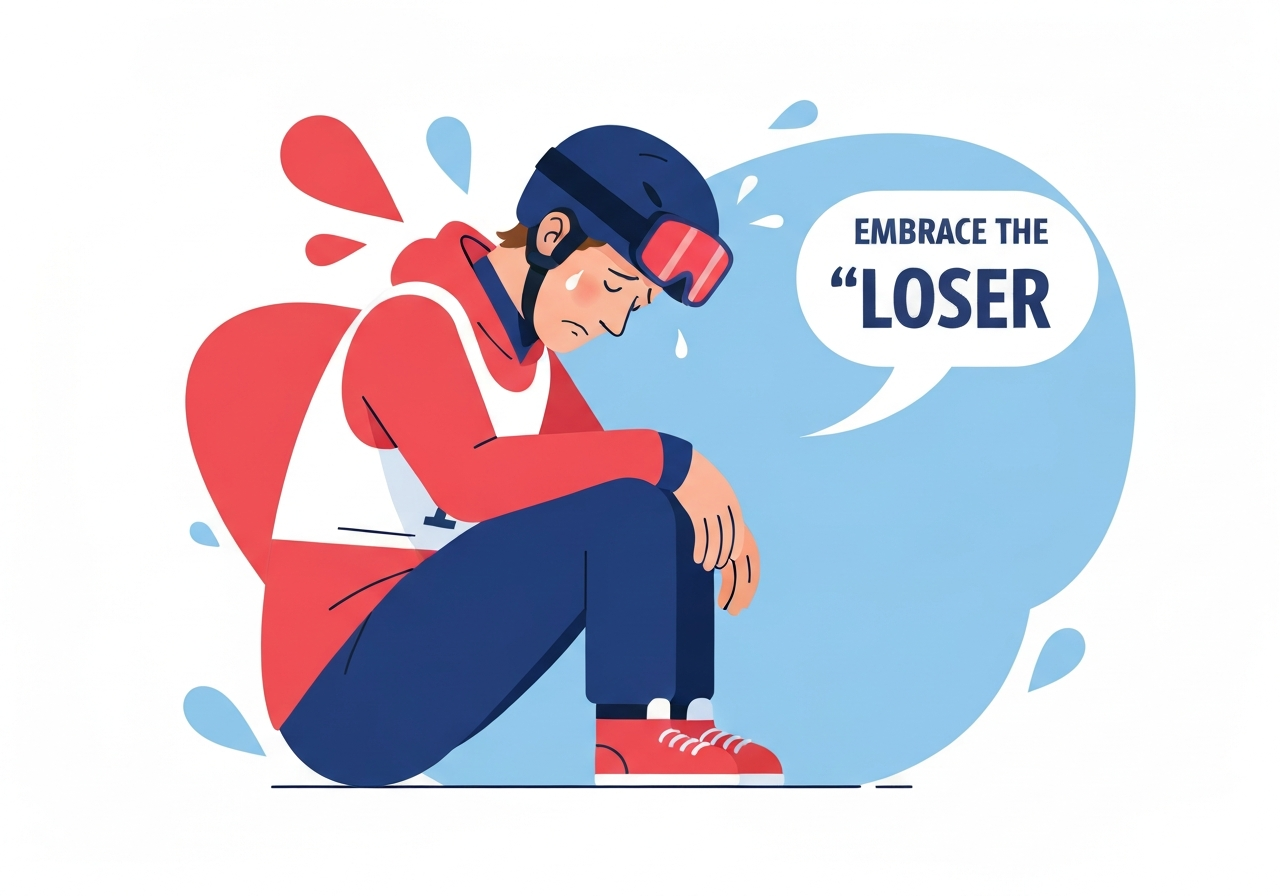
US freeskier Hunter Hess said on Friday that President Donald Trump’s labeling of him as a “real loser” has only sharpened his resolve at the Milan–Cortina Winter Olympics. Hess had earlier said he felt mixed about representing the United States amid current political tensions, a comment that drew a public rebuke from Trump. Rather than back down, Hess told reporters he has converted the criticism into extra motivation while continuing to compete. The exchange has prompted discussion about athlete speech, political pushback and media attention around the Games.
Key Takeaways
- Hunter Hess, a US freestyle skier, said Friday he found “extra motivation” after President Donald Trump called him a “real loser.”
- Hess’s original remark expressed mixed feelings about representing America in the current political climate; Trump’s response targeted that sentiment directly.
- The incident occurred during coverage of the Milan–Cortina Winter Olympics, where Hess is competing (photo credit: Kirill KUDRYAVTSEV).
- The exchange was reported by Agence France‑Presse and republished by Barron’s; it has driven national media coverage and social commentary.
- Observers say the episode highlights tensions between athletes’ personal views and public expectations during international competition.
Background
In recent years, athletes at major international events have more frequently voiced opinions on social and political issues, prompting public debate about the role of sport in civic life. The Milan–Cortina Winter Olympics are serving as another stage where personal expression and national representation intersect. Athletes who signal discomfort about representing their countries can face swift reactions from political figures and parts of the public that expect visible patriotic support.
Political leaders, including President Trump, have in multiple instances publicly rebuked athletes whose remarks they view as unpatriotic, often via social media and public statements. That dynamic raises complex questions for teams, sponsors and sports federations about balancing athletes’ rights to speak with the pressure to present a unified national front. Hess’s case fits into this evolving pattern where off‑field comments quickly become headline news.
Main Event
The sequence began when Hess, speaking about his feelings on representing the United States during the current political climate, said he had mixed emotions about competing under the national banner. The remark was picked up by media outlets and prompted a response from President Donald Trump, who labeled Hess a “real loser.” The president’s phrase became the focal point of subsequent coverage.
Hess answered the attack publicly on Friday, saying he had turned the criticism into motivation rather than letting it unsettle him. He continued to participate in his events and declined to let the verbal exchange distract from his preparation and performance. Reporters noted Hess’s measured tone and emphasis on competing despite the controversy.
The wider Olympic delegation has not issued a detailed institutional response to the exchange; team officials have generally emphasized support for athletes’ wellbeing and focus on competition. Media attention has centered on the clash between a high‑profile political figure and an individual athlete rather than on any official policy shift by Olympic organizers or US sports federations.
Analysis & Implications
The incident underscores a persistent friction: elite athletes operate as both private citizens and public representatives. When they express ambivalence about national symbolism, they risk swift political pushback, which can shift attention away from sporting performance and toward cultural debate. For Hess, the immediate implication is reputational — the label from a sitting president amplifies scrutiny but also generates sympathy and support from those who defend free expression.
Commercially, public controversies can cut both ways. Sponsors often prefer to avoid political entanglements, yet some brands have historically benefited from aligning with athletes seen as principled or resilient. Whether Hess’s exchange with Trump affects endorsement deals will depend on sponsor risk tolerance and the trajectory of media coverage over the coming weeks — an outcome that remains uncertain.
On a broader level, the episode may influence team dynamics and federation policies if such incidents recur. Sports bodies might review guidance for athletes on public commentary, or conversely reaffirm protections for personal speech. Internationally, it contributes to ongoing conversations about how mega‑events handle the interplay of politics, identity and athlete autonomy.
Comparison & Data
| Statement | Public Reaction |
|---|---|
| Hess: expressed mixed feelings about representing the U.S. | Prompted a public rebuke from President Trump calling him a “real loser” |
The table above summarizes the core exchange: a personal expression from an athlete and an immediate political rebuttal. While many past episodes of athlete political expression attracted commentary, the direct involvement of a sitting president magnifies the media footprint and may accelerate downstream consequences in sponsorship, fan response and policymaking by sports organizations.
Reactions & Quotes
Coverage included direct language from the president and a concise reaction from Hess, both of which framed subsequent reporting.
“real loser”
Donald Trump (President)
The president’s terse label was widely circulated and characterized as a personal attack on Hess for his earlier comments.
“I found extra motivation”
Hunter Hess (U.S. Olympian)
Hess framed the rebuke as fuel for his competitive drive, emphasizing his intent to keep focusing on performance at the Games.
Unconfirmed
- The exact medium and timing of President Trump’s initial comment (for example, whether it was a social post or a public remark) have not been fully detailed in available reports.
- There is no confirmed evidence yet that the exchange will lead to sponsorship losses or formal disciplinary action against Hess.
- It is unconfirmed whether other team members privately share Hess’s expressed ambivalence about national representation.
Bottom Line
The episode involving Hunter Hess and President Trump highlights how individual athlete remarks can rapidly escalate into national political disputes, particularly during high‑visibility events like the Olympics. Hess’s decision to publicly embrace the criticism as motivation reframes the narrative around resilience, but it does not remove the broader questions about how athletes navigate political expression.
Going forward, stakeholders — from sports federations to sponsors and team officials — will watch for whether this incident changes athlete communications practices or influences policy at future events. For observers, the key takeaway is that sporting performance and public discourse are increasingly intertwined at a global level, with consequences that extend well beyond the competition venue.