
Lead
San José State University graduate Colin Kang, 21, was found dead on Thursday morning on a black diamond run at Northstar California Resort in Truckee, California, after he did not return from a Tuesday ski outing. Placer County search teams located his body near the Martis Camp Express lift; his car was discovered in the Northstar parking lot. Authorities say he appeared to have fallen into a tree well, and the cause of death remains under investigation. The discovery came amid a week of severe winter storms and an unrelated backcountry avalanche that killed at least eight people in the Lake Tahoe region.
Key Takeaways
- Victim: Colin Kang, 21, recent graduate of San José State University, found Thursday, Feb. 20, 2026, at Northstar California Resort in Truckee, Calif.
- Location: Body located on a black diamond run near the Martis Camp Express lift; vehicle found in Northstar parking lot.
- Apparent mechanism: Placer County officials said Kang appeared to have fallen into a tree well; formal cause of death pending investigation.
- Search effort: Tahoe Nordic Search & Rescue Team led a concentrated operation deploying more than a dozen skiers, a snowcat and two snowmobiles, with Northstar Ski Patrol assisting.
- Regional context: The finding occurred days after an avalanche in the Lake Tahoe backcountry killed at least eight people, renewing focus on winter hazards.
- University response: San José State University confirmed Kang had graduated in the fall and issued condolences, urging campus communities to seek support.
Background
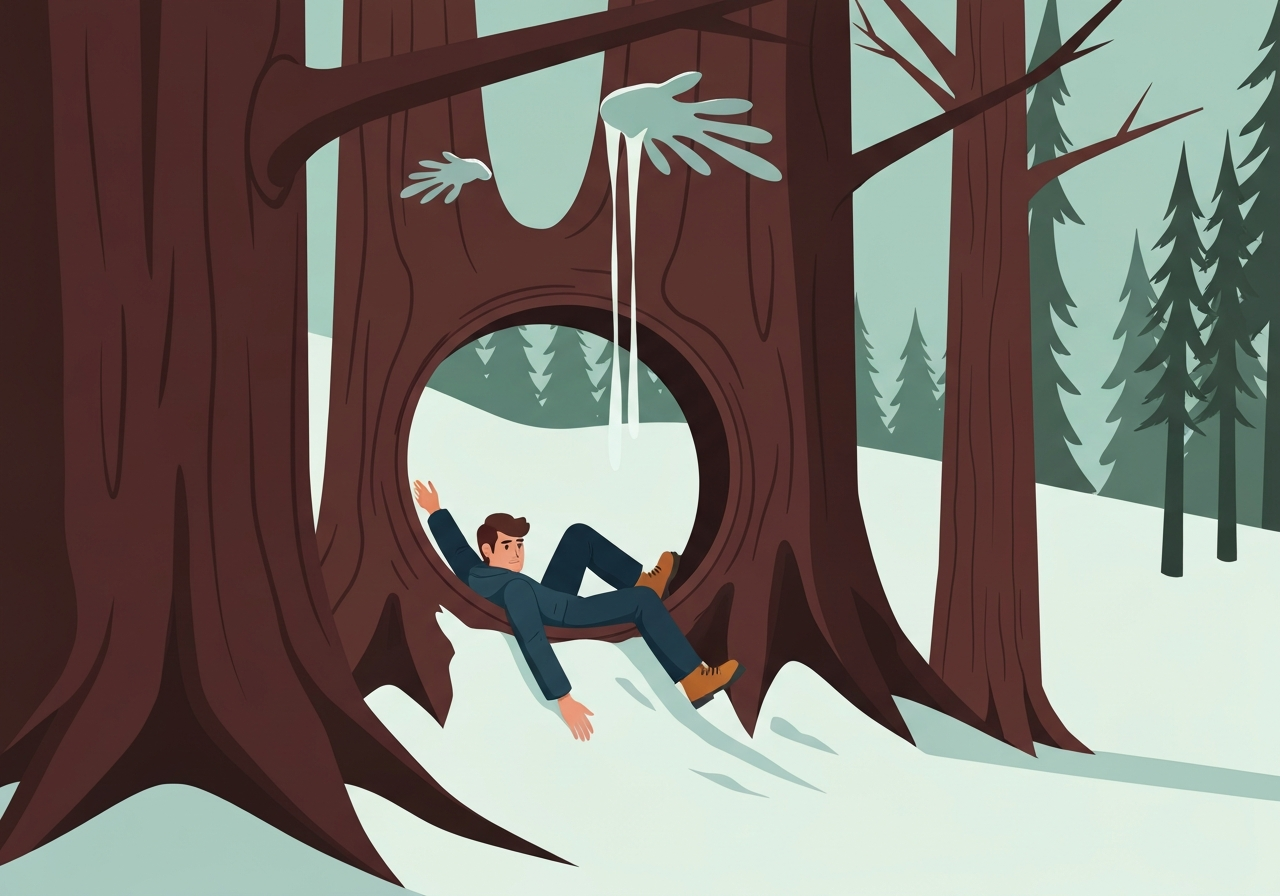
The Lake Tahoe region experienced an extended period of heavy snowfall and storms in mid-February 2026, increasing avalanche risk and creating deep, unconsolidated snowpacks around trees. Tree wells—hollows that form when snow accumulates around a tree trunk and leaves a void beneath—are a known hazard in deep-snow conditions and can trap skiers who fall into them. Resort terrain and nearby backcountry both carry hazards that vary by slope, recent storms and skier profile; black diamond runs are designated as expert terrain with steeper pitches and more complex features.
Northstar California Resort is an established downhill ski area near Truckee that manages both groomed trails and adjacent off-piste terrain; ski patrols and resort safety teams maintain marked runs and conduct search-and-rescue operations when needed. Local and county agencies, including the Placer County Sheriff’s Office, coordinate with volunteer and professional search teams—such as Tahoe Nordic Search & Rescue—to respond to missing-skier reports. In recent seasons, the region has seen periodic fatal incidents tied to avalanches, tree-well entrapments and exposure.
Main Event
According to a statement from the Placer County Sheriff’s Office, Kang was reported missing after he did not return from a ski outing on Tuesday. His last known location was reported near the Martis Camp Express lift, which accesses the run where he was later found. Authorities located his vehicle in Northstar’s lot, prompting a concentrated ground search of the adjacent slopes and tree-lined areas.
The Tahoe Nordic Search & Rescue Team said it deployed more than a dozen skiers, a snowcat and two snowmobiles in the search; Northstar Ski Patrol also assisted. Searchers found Kang on Thursday morning on a black diamond run, and Placer County spokeswoman Elise Soviar said it appeared he had fallen into a tree well. Officials stressed that determination of the medical cause of death must await the completion of the county’s investigation and any required forensic review.
While Kang’s death took place on resort terrain, officers noted that heavy recent storms can enlarge tree wells and increase their danger. Resort operations and local responders continue to brief visitors on winter hazards, but search-and-rescue teams acknowledged the difficulty of detecting a person trapped beneath unstable snow, particularly when temperatures and weather hamper visibility and movement on steep slopes.
Analysis & Implications
The incident underscores the persistent danger posed by tree wells, which are often invisible from a distance and can capture even experienced skiers on expert terrain. In deep-snow years, tree wells become more pronounced and rescue becomes more perilous; victims can be quickly rendered immobile or lose consciousness if buried upright. For resorts, the reality is that marked runs still contain pockets of heavy snow near trees, and management must balance open access with mitigations such as signage, skier education and active grooming.
For search-and-rescue operations, this case highlights the value of rapid reporting and coordinated response. Tahoe Nordic Search & Rescue’s deployment of skiers, a snowcat and snowmobiles demonstrates a multi-platform approach to accessing steep or treed terrain. Yet, despite those resources, locating a single person in complex snow conditions can take time and carries risk for the rescuers themselves.
Broader public-safety implications include renewed calls for skier education on tree-well avoidance—recommended techniques include skiing with a partner, staying in sightlines that allow mutual rescue and avoiding deep snow near tree trunks. Resorts and counties may also review signage and pre-season communication about hazards after significant storms. Policy-level responses could range from additional funding for rescue teams to expanded public-awareness campaigns during high-snow periods.
Comparison & Data
| Date | Incident | Location | Fatalities |
|---|---|---|---|
| Mid-February 2026 (earlier that week) | Backcountry avalanche | Lake Tahoe backcountry | At least 8 |
| Feb. 20, 2026 | Apparent tree-well entrapment (Colin Kang) | Northstar California Resort, Truckee, CA | 1 |
The table contrasts the high-fatality backcountry avalanche—an event that prompted widespread media attention—with a separate fatality on resort terrain attributed to a tree-well entrapment. While different in scale and mechanism, both incidents occurred during a period of heavy snowfall and elevated hazard levels. Statistical tracking of winter fatalities in the Tahoe region shows variability year to year tied to storm cycles and recreation volume.
Reactions & Quotes
“It appeared he fell into a tree well. Tree wells are very common and can be larger after storms,”
Elise Soviar, Placer County Sheriff’s Office spokesperson
Ms. Soviar provided operational context about tree wells and their increased size after storms, framing the discovery as part of winter hazard dynamics rather than linking it to any other specific incident.
“We are deeply saddened to learn of the tragic passing of one of our recent graduates,”
San José State University statement
San José State issued condolences and urged students and alumni affected by the news to use campus support resources; the university confirmed Kang graduated in the fall semester.
“Search teams used skiers, a snowcat and snowmobiles to conduct an intensive search of the terrain,”
Tahoe Nordic Search & Rescue (public statement)
Search team leaders described a multi-platform search strategy aimed at covering treed and steep areas where a missing skier might be obscured by deep snow.
Unconfirmed
- Whether Kang’s death was directly caused by asphyxia from snow burial, trauma, or other medical factors remains unconfirmed pending the coroner’s report.
- Any connection between this resort incident and the earlier backcountry avalanche that killed at least eight people is unconfirmed; authorities have described the events as unrelated.
- Specific timeline details about when Kang was last seen on the slope and by whom are not fully corroborated in public releases.
Bottom Line
The death of Colin Kang at Northstar serves as a stark reminder that even groomed resort terrain can conceal life-threatening hazards after heavy snowfall. Tree wells are a persistent and sometimes underestimated danger; awareness, conservative route choice and companion systems remain the primary means to reduce risk. Investigators will need to complete their review before definitive conclusions about cause and circumstances can be drawn.
For skiers, the immediate takeaway is practical: respect avalanche advisories, heed resort guidance, ski with partners and exercise extra caution near trees after significant storms. For managers and policymakers, the episode may prompt renewed attention to public education, signage and resource support for search-and-rescue units during peak winter hazard periods.
Sources
- The New York Times (news report)
- San José State University (official university statement)
- Placer County, California (official county/sheriff information)
- Northstar California Resort (resort information)