
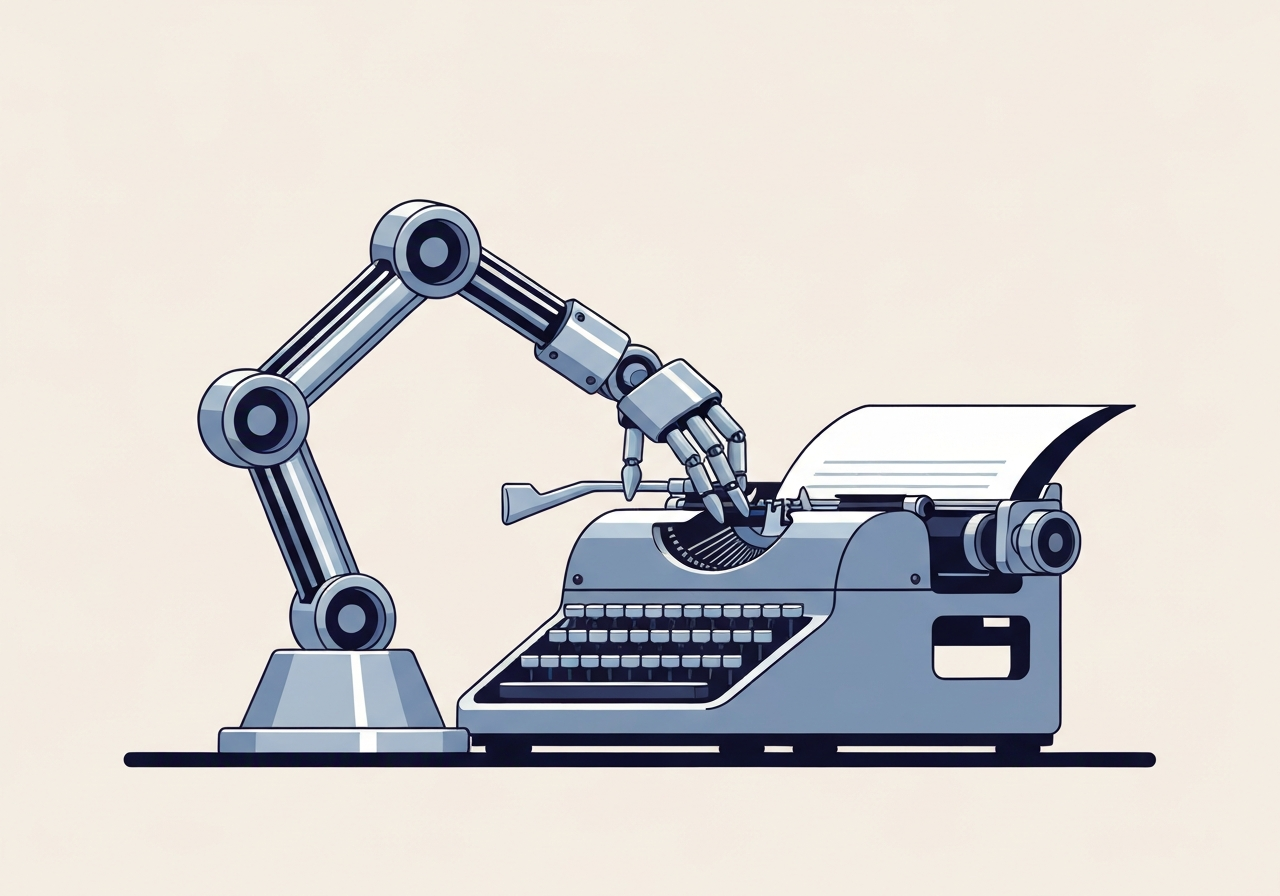
Lead: In January, outside Boston, computer programmer Perry Metzger used OpenAI’s Codex to build a browser-based word processor in two days — a project he estimates would have taken him and a partner roughly two months by hand. The experiment, recounted to reporters on Feb. 20, 2026, underscores how modern code-generating A.I. can accelerate engineering work while still demanding close human supervision. Researchers and veteran programmers say these systems change the nature of software work but do not yet replace the judgment, testing and design decisions skilled engineers provide. The result so far: faster delivery on complex projects, and a shift in many programmers’ roles from primary author to overseer and tester.
Key Takeaways
- OpenAI’s Codex and similar models from Anthropic and Google have recently grown more capable, enabling experienced programmers to produce complex software far faster than before.
- Perry Metzger completed a Google Docs–style word processor in two days using Codex; he and his partner estimated the manual build would have required about two months.
- Experienced developers report they now spend more time reviewing, testing and guiding A.I.-generated code than writing every line themselves.
- Researchers warn that code generators still make errors and require extensive oversight, automated testing and human judgment before deployment.
- Industry reaction is mixed: some technologists fear job disruption while others see A.I. as a productivity tool that could change hiring and training practices.
- Short-term effects are concrete speed gains; long-term workforce impacts remain contingent on adoption, regulation and the pace of model improvements.
Background
Generative A.I. models that produce text and code have advanced rapidly following iterative improvements from multiple firms. Companies such as OpenAI, Anthropic and Google have released successive model updates that broaden capabilities, including code synthesis from natural-language prompts. That technical progress has intensified debate within the technology sector about whether these systems will substitute for human labor or augment human creativity and expertise.
Programmers’ responses reflect that ambiguity. Senior engineers with decades of experience report both astonishment at model fluency and frustration at predictable failure modes — subtle logic bugs, insecure defaults, or brittle integrations that still require human attention. These realities shape how teams adopt the tools: many pilot A.I. in controlled settings, pairing it with robust testing frameworks and incremental review processes rather than full automation of engineering workflows.
Main Event
Perry Metzger’s January experiment illustrates the current dynamic. Working with a fellow seasoned developer, he prompted Codex to scaffold core features of an online word processor. The A.I. produced large blocks of functioning code, but the duo spent substantial time vetting outputs, correcting edge-case bugs and designing test suites to validate behavior across browsers.
Mr. Metzger described the shift in his role: where he once hand-coded major components, he now oversees the model’s output, curates its suggestions and structures tests to catch errors the model can introduce. That supervision is not trivial: it requires deep product knowledge, security awareness and system-level thinking — skills that remain in human hands.
Others in the field report similar workflows. A small number of fast prototypes have moved from concept to working demos in days, but teams routinely delay production launches until human engineers harden, review and refactor A.I.-generated code. In practice, managers weigh speed gains against potential liabilities from buggy or insecure code produced by models.
Analysis & Implications
The immediate effect of code-generating A.I. is to reallocate tasks within engineering teams, emphasizing review, testing and system design over routine implementation. This reallocation may raise productivity and shorten development cycles, particularly for experienced groups that can quickly vet and integrate model outputs. For organizations lacking strong engineering practices, however, the technology could amplify technical debt if outputs are accepted without adequate testing.
Labor-market implications are nuanced. Entry-level and routine implementations might be automated more readily than complex architectural design or stakeholder-facing responsibilities. That suggests potential changes in hiring profiles: demand may tilt toward engineers skilled in model supervision, systems thinking, and automated testing rather than only pure coding speed.
Regulation and enterprise governance will shape adoption. Firms that institute mandatory code review, standardized testing and security audits will likely unlock the productivity benefits while limiting risks. Conversely, sectors with lax oversight or significant regulatory burdens may adopt more slowly, blunting short-term displacement pressures.
Comparison & Data
| Task | Estimated Time (Manual) | Time with Codex (Metzger) |
|---|---|---|
| Browser-based word processor prototype | ~2 months | 2 days |
The table illustrates the single case reported by Mr. Metzger: a dramatic reduction in elapsed development time for a prototype. That example reflects a best-case workflow — experienced engineers, focused prompts, and immediate iteration. Broader industry averages will vary by team maturity, testing rigor and product complexity.
Reactions & Quotes
Industry leaders and practitioners have given mixed responses. Below are representative remarks and the context around them.
“You have to keep a close eye on what it is doing and make sure it doesn’t make mistakes, and create ways of testing the code.”
Perry Metzger, veteran programmer (describing his experience with Codex)
This comment underlines the recurring theme from practitioners: speed accompanied by the need for deliberate oversight and test infrastructure to ensure safety and correctness.
“Models are getting much better at scaffolding code, but they’re not yet reliable substitutes for engineers who understand production systems.”
Independent software engineer cited in industry interviews
Experts emphasize that production readiness depends on system knowledge and an ability to anticipate edge cases that models do not inherently grasp.
“The tools can democratize some aspects of programming, but policies and governance will determine who benefits and who is exposed to new risks.”
Technology policy analyst
Policy analysts point out that institutional choices — from training investments to regulation — will shape distributional outcomes across the labor market.
Unconfirmed
- No current evidence proves widespread, immediate replacement of experienced software engineers across the industry; observed cases are early and often controlled pilots.
- Claims about uniform productivity multipliers (e.g., that all teams will see 10x speedups) remain unverified and likely depend on team practices and product complexity.
- Long-term effects on total employment levels within software engineering are uncertain and depend on technological, business-model and regulatory developments.
Bottom Line
Recent advances in code-generation models, exemplified by OpenAI’s Codex, can substantially accelerate prototype development and shift how engineering teams allocate labor. The most tangible near-term outcome is increased productivity for teams that pair model outputs with rigorous review and testing processes. For these teams, A.I. is less a replacement and more a force multiplier.
At the same time, the technology raises real questions about hiring, training and governance. Policymakers and corporate leaders should prepare by investing in testing infrastructure, updating job descriptions to value oversight and systems thinking, and considering standards that ensure safe deployment. Whether A.I. becomes a net job displacer or a productivity enhancer will hinge on these institutional choices and the pace of further technical progress.